

Best Natural Foundation: How to Choose (and Botā's Curated Edit)

An honest, editorial guide to choosing a natural foundation — what "natural" and "fruit-pigmented" really mean, how to shade-match, and Botā's small curated edit.

Elodie S · · 1 min read
Best Natural Foundation: How to Choose (and Botā's Curated Edit) 1 min read
The best natural foundation is the one that disappears into your skin — not the one with the longest ingredient list. Here is how to choose well, honestly.

What "natural" and "fruit-pigmented" actually mean — and how to find your shade without guessing.

A CLEAN-BEAUTY GUIDE TO CHOOSING FOUNDATION
Explore the full edit in our natural foundation collection — a small, considered selection of clean formulas chosen for skin, not just coverage.

"Natural" is not a regulated word in beauty, so it pays to know what you are actually looking for. At Botā, when we call a foundation natural we mean a formula built around plant-derived and mineral ingredients, free from the things many people prefer to avoid — synthetic fragrance, parabens, and petroleum-derived fillers — and made by brands with a genuine clean-beauty standard rather than a marketing one.

A few terms worth understanding:

+ Mineral foundation leans on minerals such as iron oxides and titanium dioxide for colour and coverage. It tends to suit sensitive and blemish-prone skin and gives a soft, natural finish.

+ Fruit-pigmented foundation is exactly what it sounds like — more on that below — and is a hallmark of the clean-beauty world.

+ Skin tint or tinted day cream sits at the lightest end: skincare first, a wash of colour second.

The label is only the starting point. A foundation can have a beautifully clean ingredient list and still be wrong for you if the shade or finish does not suit your skin. Read the formula, then judge it on your face.
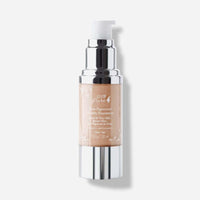
100 Pure Fruit Pigmented® Healthy Foundation Makeup | Botā
Sélection de la rédaction Fond de Teint Fruit Pigmented
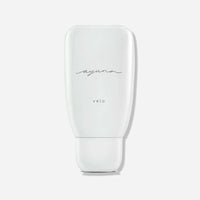
Ayuna Velo 6-in-1 Suprastratum Protection — multitasking SPF day cream with anti-pollution shield | Botā
Sélection de la rédaction Protection suprastratum Velo 6 en 1
Shop Botā clean makeup — non-toxic foundation, organic cosmetics and natural beauty essentials

The best natural foundation is not the one with the cleanest label — it is the one that matches your skin so well you forget you are wearing it.

Fruit-pigmented foundation uses colour drawn from fruits, vegetables and other plant sources — think berries, tomato, cocoa and tea — in place of conventional synthetic dyes. It is one of the signatures of the brand 100% PURE, who pioneered the approach, and it is a lovely example of clean beauty done with genuine craft.

The appeal is twofold. First, the pigments are naturally derived, which suits anyone trying to keep their routine clean and plant-based. Second, those same fruits and plants bring antioxidants and skin-loving extras along with the colour, so the formula does a little skincare while it wears.

What to expect: fruit-pigmented shades can develop and settle slightly in the first few minutes as they meet the warmth of your skin, so it is worth applying a thin layer and letting it set before judging the colour or adding more. Build coverage gradually. The reward is a fresh, skin-like finish that looks like you, only more even — rather than a flat, made-up mask.

If the idea of clean colour appeals, a fruit-pigmented foundation is one of the best places to start.
Did You Know?
Shade-match in daylight, on your jaw, and let it settle for a few minutes before you decide. The right shade simply disappears — no line at the jaw, no mask on the neck.

How to choose a natural foundation for your skin type
The right foundation starts with your skin type, not the marketing.

+ Dry skin — look for hydrating, dewy or satin formulas with nourishing oils and humectants. Avoid heavily mattifying powders, which can cling to dry patches. A skin tint or a luminous foundation tends to flatter.

+ Oily or combination skin — lighter, breathable formulas with a natural-to-matte finish wear best. Build coverage in thin layers rather than one heavy one, and set only where you need to.

+ Sensitive or blemish-prone skin — mineral-led, fragrance-free formulas with short, recognisable ingredient lists are the safest bet. Patch-test first if your skin reacts easily.

+ Mature skin — favour hydrating, light-to-medium coverage with a soft, radiant finish. Very full, powdery coverage can settle into fine lines; a thinner, more skin-like layer looks younger and fresher.

+ Normal or balanced skin — lucky you; most finishes will suit. Choose based on the look you love, from a sheer skin tint to a fuller everyday foundation.

Whatever your type, the golden rule is the same: thin layers, built gradually, always over well-moisturised skin.
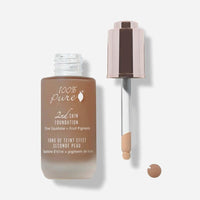
100 Pure Fruit Pigmented 2nd Skin Foundation Makeup | Botā
Sélection de la rédaction Fond de Teint 2ème Peau Pigmenté aux Fruits
Natural foundation - Botā

How to shade-match a natural foundation

Shade-matching is where most foundation purchases go right or wrong — and it is worth a few careful minutes.

1 - Match to your jaw, not your hand or wrist. The skin on your jaw and neck is the colour you actually want to blend into.

2 - Test in daylight. Shop and bathroom lighting distort colour; natural light tells the truth. Swatch, step near a window, and check.

3 - Apply a thin layer and wait. Many natural and fruit-pigmented foundations settle and develop slightly over the first few minutes. Let it set before you judge — the right shade will simply disappear with no line at the jaw.

4 - Consider your undertone. Cool undertones suit shades with a pink or rosy base; warm undertones suit golden or peachy bases; neutral sits in between. If your veins look more blue you are likely cool; more green, likely warm.

5 - When in doubt, size up the lighter of two options for everyday and warm it with a touch of bronzer, or choose a sheer skin tint that flatters a wider range of tones.

If you are buying online, note your usual shade in other clean brands and compare descriptions — and do check stock on your shade before you commit, as the most popular tones move quickly.

Botā's curated edit: three natural foundations we rate

We would rather recommend a few formulas we genuinely believe in than pretend to a long list. Here is our current edit, positioned honestly by what each one is best for. Explore them all in the <a href="https://www.bota-care.com/collections/natural-foundation">natural foundation collection</a>.

1 - The everyday hero: <a href="https://www.bota-care.com/products/100-pure-fruit-pigmented-2nd-skin-foundation">100% PURE Fruit Pigmented 2nd Skin Foundation</a>

This is our bestseller and the one we would point most people to first. As the name suggests, it is designed to look like a second skin — a fresh, light-to-medium, skin-like finish with colour drawn from fruit pigments. It suits most skin types, wears comfortably, and is the easiest place to start if you are new to clean foundation. If you buy one, make it this.

2 - The fuller-coverage option: <a href="https://www.bota-care.com/products/100-pure-fruit-pigmented-healthy-foundation">100% PURE Fruit Pigmented Healthy Foundation</a>

From the same fruit-pigmented family, with a touch more coverage for days you want a little more polish, plus skin-loving extras in the formula. A lovely choice when you want fuller, more even coverage while keeping things clean. A note: shade availability can be limited, so check your tone is in stock before you buy.

3 - The no-makeup skin tint: <a href="https://www.bota-care.com/products/ayuna-velo-6-in-1-suprastratum-protection">Ayuna Velo 6-in-1 Suprastratum Protection</a>

To be clear, this is not a full-coverage foundation — it is a tinted day cream with SPF and a soft veil of colour, from the quietly luxurious clean brand Ayuna. We include it for the days you want skincare-first, barely-there coverage with a hint of evening-out and daily protection. If your ideal "foundation" is really a no-makeup look, this is the one.

Coverage and finish: getting the look you want

Two foundations with identical ingredient lists can look completely different on the skin, because coverage and finish are doing the talking.

Coverage runs along a spectrum:

+ Sheer / skin tint — evens tone with a hint of colour; lets your skin show through. Best for good-skin days and a natural look.

+ Light to medium — the everyday sweet spot. Smooths and evens while still looking like skin. Buildable where you need more.

+ Full — covers redness and marks more completely. Apply in thin layers to keep it looking fresh rather than heavy.

Finish is about how it catches the light:

+ Dewy / luminous — radiant and fresh; flatters dry and mature skin.

+ Satin / natural — the most universally flattering; not flat, not shiny.

+ Matte — controls shine; best for oily skin, used sparingly so it does not look dry.

Our honest advice: most people are happiest with light-to-medium coverage in a natural or satin finish, built up only where needed. It is the most forgiving combination and the most skin-like — which is rather the point of a natural foundation.
FAQ

Foire aux questions

There is no single best one — the right foundation depends on your skin type, the coverage you want and, above all, your shade. From Botā's edit, the 100% PURE Fruit Pigmented 2nd Skin Foundation is the everyday hero we recommend most, thanks to its skin-like, buildable finish that suits most skin types.

It is foundation that takes its colour from fruits, vegetables and plants — such as berries, tomato and cocoa — instead of conventional synthetic dyes. Pioneered by 100% PURE, the approach pairs naturally derived colour with antioxidants for a fresh, skin-like finish.

Match the finish to your skin: hydrating or dewy formulas for dry and mature skin, lighter natural-to-matte formulas for oily and combination skin, and mineral-led, fragrance-free formulas for sensitive skin. Whatever your type, apply over moisturised skin and build coverage in thin layers.

Swatch on your jaw, not your hand, and check in daylight rather than artificial light. Apply a thin layer and let it settle for a few minutes, as natural foundations can develop slightly. The right shade disappears into your skin with no line at the jaw.

Not quite. A skin tint, such as the Ayuna Velo, is a tinted day cream that gives a soft veil of colour and often SPF — skincare first, light coverage second. A foundation offers more coverage. Choose a skin tint for a no-makeup look and a foundation when you want a more even, polished finish.

Final Thoughts

Choosing your natural foundation: the short version

The best natural foundation is the one that suits your skin, your shade and the look you love — not the one with the longest clean-beauty checklist. Start with your skin type, choose your coverage and finish, shade-match on your jaw in daylight, and build in thin layers. And if you want your base to sit beautifully, it helps to start with a healthy canvas — our guide to what the skin barrier is and why it matters is a good place to begin.

If you would like a simple starting point: our 100% PURE Fruit Pigmented 2nd Skin Foundation is the everyday hero we recommend most, the Healthy Foundation gives a little more coverage, and the Ayuna Velo skin tint is the barely-there, skincare-first option.

One practical note before you buy: shade availability moves quickly on natural foundations, so do check your tone is in stock for the formula you have chosen. Get the shade right and the rest looks after itself — a fresh, even, second-skin finish that simply looks like you.