






Acne And Breakouts
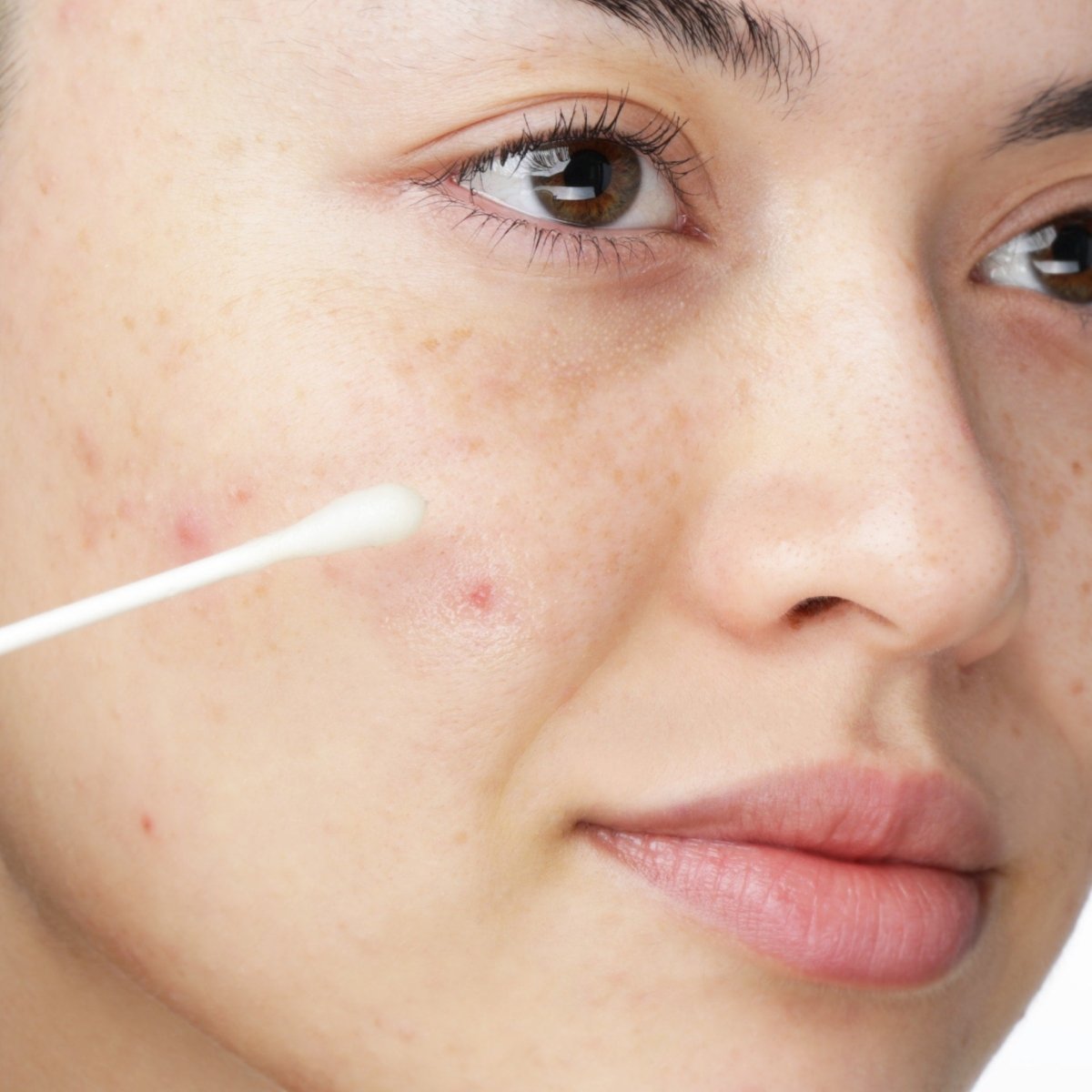
Acne is a common cause of red marks. Pimples form when your skin gets clogged with oil and dead skin cells. These pimples can leave red marks even after they've healed. Here's a quick breakdown:
-
Clogged Pores: Dirt and oil can block your pores.
-
Bacteria: Bacteria can cause inflammation.
-
Picking at Pimples: This can make red marks worse.
I remember when I had a breakout before a big event. I kept picking at the pimples, and the marks stayed for weeks! Lesson learned—hands off.
Rosacea
Rosacea is another culprit. It's a skin condition that makes your face red. Sometimes, small red bumps appear. It's more common in adults. And it's more than just a blush:
-
Triggers: Things like spicy food, alcohol, and stress can make it worse.
-
Sun Exposure: Too much sun can trigger a flare-up.
-
Temperature Changes: Moving from hot to cold or vice versa can cause redness.
My friend Jane has rosacea. She avoids spicy food and always wears sunscreen, which helps her control her redness.
Allergic Reactions
Sometimes, red marks are due to allergic reactions. Your skin might react to something it doesn't like. This can be anything from a new face cream to pollen. Some common triggers include:
-
Skincare Products: Ingredients like fragrances or dyes.
-
Food Allergies: Certain foods can cause a reaction.
-
Environmental Factors: Pollen, dust, or pet dander.
Once, I tried a new moisturizer, and my face turned red and itchy. I had to wash it off right away and stick to my old one. It was a clear sign my skin didn't like it.
Understanding the causes of red marks on your face is the first step. It helps you figure out the best way to treat and prevent them. Stay tuned for our next post, where we'll discuss effective treatments!
Natural Remedies
Struggling with those pesky red marks on your face? You're not alone. These marks can be annoying, but the good news? There are natural remedies that can help. Today, we'll dive into three simple and effective treatments: Aloe Vera, Green Tea Extract, and Honey Masks. Let's get started!
Aloe Vera
Aloe Vera is a real skin saver. It's packed with vitamins and has soothing properties. Have you ever had a bad sunburn? Aloe Vera gel can cool and heal your skin. The same goes for red marks.
Here's how you can use Aloe Vera:
-
Take a fresh Aloe Vera leaf.
-
Cut it open and scoop out the gel.
-
Apply the gel directly to the red marks.
-
Leave it on for 20 minutes, then rinse with lukewarm water.
Do this daily, and you'll see improvement. Simple.
Green Tea Extract
Green Tea isn't just for drinking. It's a powerful antioxidant. This means it can help reduce inflammation and redness.
Here's a quick method to use Green Tea:
-
Brew a cup of green tea and let it cool.
-
Soak a cotton ball in the tea.
-
Gently dab it on the red marks.
-
Leave it on for 15 minutes, then wash off.
Repeat this twice a day. It's easy and effective!
Honey Masks
Honey is more than just a sweet treat. It's a natural moisturizer with antibacterial properties, making it perfect for soothing red marks.
Making a honey mask is simple:
-
Take a tablespoon of raw honey.
-
Apply it to your face, focusing on the red marks.
-
Leave it on for 20 minutes.
-
Rinse with warm water.
Do this three times a week. Your skin will thank you!
So, there you have it! Three natural remedies to help get rid of red marks on your face. Give them a try, and let us know how they work for you. Until next time, stay glowing!
Diet And Nutrition
Diet and nutrition play a key role in maintaining healthy skin. What you eat can significantly impact the appearance of red marks on your face. Making smart dietary choices can help reduce inflammation and promote healing. Here are some important nutritional tips to help you achieve clear skin.
Anti-inflammatory Foods
Incorporate anti-inflammatory foods into your diet. Berries, leafy greens, and nuts can help. They are rich in antioxidants and vitamins that reduce inflammation. Omega-3 fatty acids found in fish like salmon also help. Avoid processed foods and sugary snacks. They can worsen inflammation and cause more red marks.
Hydration
Staying hydrated is crucial for healthy skin. Drink plenty of water throughout the day. Water helps flush out toxins and keeps your skin hydrated. Well-hydrated skin heals faster and reduces redness. Avoid sugary drinks and caffeine. They can dehydrate your skin and increase redness.
Vitamins And Supplements
Vitamins and supplements can support skin health. Vitamin C boosts collagen production and helps heal red marks. Vitamin E is an antioxidant that protects and repairs your skin. Zinc helps reduce inflammation and promotes healing. Consider taking a daily multivitamin. It ensures you get all the necessary nutrients for healthy skin.
Lifestyle Changes
Making lifestyle changes can help reduce red marks on your face and improve your skin's health and appearance.
Stress Management
Stress can worsen skin problems. Practice stress management techniques daily. Deep breathing, meditation, or yoga can help. These activities calm your mind and body. Less stress means healthier skin.
Adequate Sleep
Getting enough sleep is crucial for your skin. Aim for 7-9 hours of sleep each night. Your body repairs itself during sleep, including healing your skin. Good sleep leads to fewer red marks.
Exercise
Regular exercise boosts your overall health. It improves blood flow, which nourishes your skin. Exercise also reduces stress. Try to exercise at least 30 minutes a day. Your skin will thank you.
Professional Treatments
Let's dive into some of the most effective Professional Treatment methods.
Laser Therapy
Laser therapy is one of the most popular treatments for facial red marks. Why? Because it's quick and effective. Here's how it works:
-
A laser targets the red marks on your skin.
-
The light from the laser breaks down the red pigments.
-
Your body then removes these pigments naturally.
One of my friends tried laser therapy. She was amazed at how her red marks faded after just a few sessions. The best part? It's almost painless, like a slight sting.
Chemical Peels
Chemical peels are another great option. They work by removing the top layer of your skin. This sounds scary, but it's not. Here's the process:
-
A special chemical solution is applied to your face.
-
This solution peels away the damaged skin.
-
New, healthier skin grows in its place.
What's cool about chemical peels? They can also help with other skin issues like acne scars and wrinkles. My cousin had a chemical peel done, and she said her skin felt so smooth and fresh afterward.
Microneedling
Microneedling might sound intense, but it's quite simple. Tiny needles make small punctures in your skin. This might sound painful, but it's not too bad. Here's why it's effective:
-
The punctures stimulate your skin to produce more collagen.
-
Collagen helps heal the red marks and makes your skin look better.
-
Your skin becomes smoother and more even-toned.
So, there you have it! Three professional treatments can help you eliminate those pesky red marks. If you're considering one of these treatments, consulting with a dermatologist is always best. They can help you choose the right option for your skin type. Happy healing!