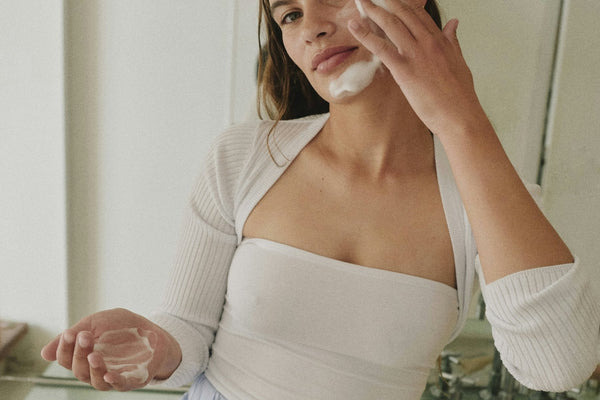

How Often Should You Moisturise Your Face for Healthy Skin?
How often you should moisturise your face depends on your skin type, climate and routine — not a one-size-fits-all rule. This guide breaks down the right moisturising frequency for every skin type (dry, oily, combination, sensitive, mature), the step-by-step application technique, and the seasonal adjustments that transform skin within two weeks.
 9 min read
How often you moisturise your face is one of the most debated questions in skincare
THE TWICE-DAILY MOISTURISING PROTOCOL THAT ACTUALLY WORKS
Why moisturising your face is non-negotiable
Every skin type — dry, oily, combination, sensitive — benefits from a face moisturiser. The job of a moisturiser is to maintain the skin's barrier, retain water, and protect against the environmental insults of UV, pollution, heat, cold and indoor air. Skip it and:
+ Dry skin tightens, flakes and develops fine lines faster.
+ Oily skin paradoxically produces MORE oil to compensate for the dehydration — a feedback loop most people miss.
+ Combination skin worsens both extremes.
+ Sensitive skin loses its already-thin barrier protection and reacts to everything.
+ Acne-prone skin develops more breakouts because the barrier is compromised.
A well-formulated face moisturiser contains humectants (hyaluronic acid, glycerin) to pull water into the skin, emollients (ceramides, fatty alcohols) to smooth the surface, and occlusives (squalane, shea butter) to lock everything in. Together they do what no single ingredient can: keep the skin hydrated AND protected over time.
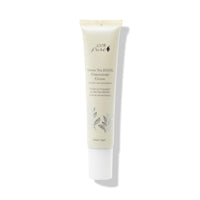
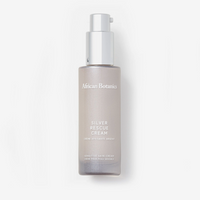


Skipping moisturiser on oily skin triggers MORE oil production. The skin reads dehydration as a signal to ramp up sebum — creating exactly the shine you were trying to avoid.
How often to moisturise your face by skin type
+ Normal skin — twice daily, morning and night. A lightweight gel-cream in the morning, slightly richer cream at night.
+ Dry skin — twice daily minimum, plus a midday top-up if you're in dry indoor air or windy weather. Use a richer cream both times.
+ Oily or combination skin — twice daily with a lightweight, non-comedogenic gel or lotion. Skipping moisturiser triggers MORE oil production within days.
+ Sensitive or reactive skin — twice daily with a fragrance-free, ceramide-rich barrier cream. Sometimes 3 times daily during flares.
+ Acne-prone skin — twice daily with an oil-free, non-comedogenic formula. Look for niacinamide and zinc PCA.
+ Mature skin — twice daily, evening cream slightly richer with peptides, retinol or growth factors.
The "how often" question matters less than the "what" — the right moisturiser used twice a day works for almost everyone. Adjust frequency only if you live in extreme climates or have an active flare.
Apply moisturiser within 60 seconds of patting your skin dry. After that, the skin has already lost 25% of its surface moisture — and the cream you're applying has nothing to seal in.
The step-by-step moisturising technique
1 - Cleanse with a gentle cleanser. Pat dry, leaving skin slightly damp.
2 - Apply any water-based serums first (vitamin C in the morning, niacinamide, hyaluronic acid). Wait 1 to 2 minutes between layers.
3 - Take a pea-sized amount of moisturiser. More is not better; it just sits on the surface and causes pilling.
4 - Warm between fingertips, then press into skin (don't rub). Apply in upward, outward motions — cheeks first, then forehead, nose, chin, and finally the neck and décolleté.
5 - Wait 1 to 2 minutes for absorption before applying facial oil (optional) or SPF.
6 - In the morning, finish with mineral SPF 30+ as the final step. Never skip SPF — moisturiser does NOT provide UV protection.
7 - In the evening, layer a facial oil over moisturiser if your skin needs extra lipid replenishment.
Apply within 60 seconds of cleansing for maximum absorption. Skin loses 25% of its moisture in the first minute after washing if not sealed in.
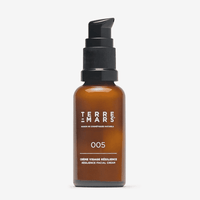
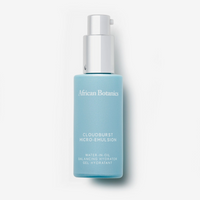


Choosing the right face moisturiser
Key ingredients to seek:
+ Hyaluronic acid — pulls water into the skin, plumps fine lines. Suits all skin types.
+ Glycerin — budget-friendly humectant, deeply hydrating.
+ Ceramides — the lipids the skin barrier is made of. Essential for sensitive, dry, mature or compromised skin.
+ Niacinamide — calms inflammation, regulates oil, evens tone. Suits every skin type.
+ Squalane — weightless occlusive, suits oily and acne-prone skin.
+ Peptides — collagen-boosting, anti-ageing.
+ Panthenol (provitamin B5) — soothing, hydrating, supports healing.
Avoid (for sensitive skin):
+ Synthetic fragrance, parfum, essential oils — #1 cause of skin reactions.
+ Denatured alcohol high in the ingredient list — strips the barrier.
+ Mineral oil (controversial — occlusive but does nothing nutritional).
Match the texture to your skin: gel-cream for oily, cream for normal, balm or rich cream for dry or mature.
Common moisturising mistakes that backfire
+ Skipping moisturiser on oily skin. Triggers MORE oil production within days. The skin reads dehydration as a signal to produce more sebum.
+ Using too much product. Pea-sized is plenty for the face. More just pills, clogs and wastes product.
+ Applying to dry skin (not damp). Damp skin absorbs moisturiser 10x better. Apply within 60 seconds of patting dry.
+ Rubbing it in. Press, don't rub. Friction damages the barrier and pulls the skin downward over time.
+ Using the same moisturiser year-round. Skin's needs change with seasons — lighter in summer, richer in winter.
+ Using body moisturiser on the face. Body formulas are too rich and often contain fragrance that face skin won't tolerate.
+ Layering too many products before moisturiser. Two serums max before moisturiser; more causes pilling and competition for absorption.
+ Skipping SPF after moisturiser. Moisturiser is NOT a sunscreen, even if it says "with SPF 15" — you can't apply enough to get the labelled protection.
Seasonal adjustments for healthy skin
Spring
As humidity rises, switch from heavy winter creams to lighter gel-creams. Add a vitamin C serum for brightening if you haven't already — spring sun starts the pigmentation cycle.
Summer
Lightweight gel moisturisers, layer a hyaluronic acid serum underneath. Always pair with mineral SPF 30 or 50. Indoor AC dehydrates the skin — keep a facial mist for midday refreshes.
Autumn
The transitional season. Bring richer textures back gradually — start with a slightly thicker night cream while keeping a gel for morning. This is the right moment to introduce retinol if you've been waiting.
Winter
The most demanding season for skin. Use a rich barrier cream morning and night (look for ceramides, squalane, shea butter). Add a facial oil at night for additional lipid replenishment. Avoid hot showers and turn up indoor humidity.
When travelling
Air travel is brutally dehydrating. Apply a richer cream before boarding, layer hyaluronic acid mist throughout the flight, and reapply moisturiser on landing. Sleep on a satin pillowcase for the duration.
Frequently Asked Questions
Moisturizing once daily can suffice for some, particularly those with oily or combination skin. However, the general advice is to moisturize twice daily—morning and night. Morning moisturizing hydrates and protects against environmental stressors, while nighttime moisturizing aids skin repair and replenishes moisture lost during the day.
Yes, using moisturizer daily is essential for maintaining skin health. It balances oil production, prevents dryness, improves texture, and reduces fine lines and wrinkles. Consistent daily use of a suitable moisturizer enhances overall skin appearance and health.
Moisturize your face every night to support your skin's natural repair processes. A night moisturizer rich in hydrating and nourishing ingredients helps restore elasticity, even out complexion, and boost collagen production. Regular nightly moisturizing ensures your skin stays hydrated and rejuvenated.
Moisturizing three times daily is unnecessary and excessive for most skin types. However, those with dehydrated skin or living in extremely dry or cold climates may benefit from more frequent applications. Adjust your routine based on your skin's needs.
Yes, moisturizers benefit all skin types. Choose the right product for your skin type:
• Rich moisturizers for dry skin
• Lightweight formulas for oily skin
• Targeted products for combination skin
• Gentle, fragrance-free options for sensitive skin
Tailoring your moisturizer ensures optimal hydration and skin health.
Yes — absolutely. Oily and acne-prone skin still needs moisturiser, just the right kind. Look for a lightweight, oil-free, non-comedogenic gel or lotion with niacinamide or zinc PCA. Skipping moisturiser triggers MORE sebum production within days, because the skin reads dehydration as a signal to produce more oil. The shine you're trying to avoid actually gets worse without daily moisturising.
The face moisturising protocol that actually works
The right moisturising frequency depends on your skin, your climate and your routine — but for almost everyone, twice daily is the baseline. Get the right formula for your skin type, apply within 60 seconds of cleansing, layer it correctly with your serums and SPF, and adjust with the seasons. That's the whole protocol.
For the rest of the hydration stack, layer in a facial oil at night using our facial oils guide, and protect everything with daily SPF from our complete sunscreen guide. Together these three steps deliver visibly healthier, plumper, more luminous skin within two weeks — no expensive serums required.