

Acne Scars and Red Mark Treatment

How to Remove Red Marks on Your Face: Causes, Treatments & Tips

Learn how to remove red marks on your face with skincare tips, home remedies, and treatments. Discover the causes, best products, and prevention methods for clear skin.

Elodie S · · 7 min read
How to remove red marks from face - acne scar treatment and skin healing routine for clear even skin tone 7 min read
Most facial red marks fade in 4–8 weeks with the right ingredients — but most people use the wrong ones, irritate their skin, and stretch the timeline by months.

Most red marks fade in 4–8 weeks with the right ingredients — but most people use the wrong ones, irritate their skin, and stretch the timeline by months. Here's the routine that actually works.

THE EVIDENCE-BASED ROUTINE FOR POST-ACNE MARKS AND ROSACEA REDNESS

Pair this with our sensitive skin serum guide if irritation is your trigger, our vitamin C serum guide for brightening lingering pigmentation, and our brightening skin guide for the broader tone-evening picture.

What's actually causing your red marks?
Before you spend money on serums, work out what type of redness you're dealing with — the wrong treatment can prolong the problem by months.

Post-inflammatory erythema (PIE)

The most common cause. Flat pink-to-red marks left behind after acne, picking or a flare-up heals. The skin's barrier is intact but the underlying capillaries are dilated. PIE responds well to niacinamide, azelaic acid, vitamin C and time.

Broken capillaries

Tiny visible blood vessels, usually around the nose, cheeks or chin. Caused by sun damage, hot showers, alcohol, vigorous scrubbing or genetics. These won't fade with topical skincare alone — they need vascular laser treatment from a dermatologist. But a calming routine prevents new ones from forming.

Rosacea

Persistent flushing across the central face, sometimes with bumps that look like acne. Triggered by heat, spicy food, alcohol, stress and UV. Treatment is long-term management: gentle barrier-supporting skincare, daily mineral SPF, and often prescription topicals like ivermectin or metronidazole.

Barrier damage and irritation

The fastest-rising cause in 2026 — over-exfoliation from too many actives, retinol layered with acids, harsh fragrance, or over-cleansing. The fix is the opposite of what most people try: simplify the routine to a gentle cleanser, ceramide moisturiser and SPF for 2 weeks before reintroducing anything active.
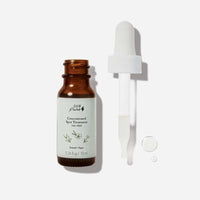
100 Pure Tea Tree Concentrated Spot Treatment Face | Botā natural skincare.
Editor's Pick Tea Tree Concentrated Spot Treatment
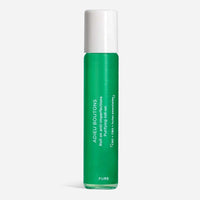
Ho Karan Roll-on "Adieu Boutons" Treatment Face | Botā natural skincare.
Editor's Pick Roll-on "Adieu Boutons" Treatment

Azelaic acid is one of the few ingredients clinically proven to fade post-acne marks AND reduce rosacea redness simultaneously.

The ingredients that actually fade red marks

Skincare for redness is one of the rare categories where a small number of ingredients do almost all the work. Build your routine around these:

+ Niacinamide (5%) — calms inflammation, strengthens the barrier and fades PIE. The most universally tolerated active.

+ Azelaic acid (10–20%) — the most underrated ingredient in skincare. Fades both PIE and rosacea-related redness, with mild anti-bacterial properties for ongoing breakouts.

+ Vitamin C (10–15% L-ascorbic acid) — brightens lingering pigmentation, boosts collagen and offers daytime antioxidant protection against the UV that worsens marks.

+ Centella asiatica (cica) — a botanical that visibly calms redness within hours. Look for serums with at least 1% madecassoside.

+ Tranexamic acid (2–5%) — best for stubborn pigmented marks that won't shift with niacinamide alone.

+ Ceramides & panthenol — barrier-repairing essentials. Without them, none of the actives above work.

Avoid (or pause) anything with fragrance, denatured alcohol high in the ingredient list, physical scrubs, lemon juice, baking soda and toothpaste. All of these are routinely recommended online and all of them make red marks worse.
Did You Know?
Skipping SPF makes red marks darker and slows fading by months. UV is the single biggest reason a routine doesn't work.

The routine that actually fades red marks
Morning

1 - Gentle cleanser — fragrance-free, pH-balanced, no foaming surfactants if your skin is reactive.
2 - Vitamin C serum (10–15%) — on dry skin, wait 1–2 minutes before the next step.
3 - Niacinamide 5% serum (can be combined with vitamin C in a single formula).
4 - Ceramide moisturiser — barrier first, always.
5 - Mineral SPF 30+ with zinc oxide — non-negotiable. UV makes red marks visibly darker.

Evening

1 - Gentle cleanser (double cleanse if you wore SPF or makeup).
2 - Azelaic acid (10–20%) 2–3 nights per week.
3 - Retinol 1–2 other nights per week, once your barrier is calm (start with 0.025%).
4 - Calming serum with centella, panthenol or madecassoside on the non-active nights.
5 - Rich moisturiser with ceramides and squalane.

Keep the routine boring for 4 to 8 weeks. The biggest mistake people make is layering on new products every week and never giving anything time to work.
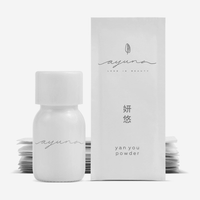
Ayuna Yan You Powder - Probiotic Powder Crystal Clear Skin Face | Botā natural skincare.
Editor's Pick Yan You Powder - Probiotic Powder Crystal Clear Skin
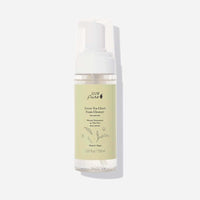
100 Pure Green Tea Cloud Foam Face Cleanser Face | Botā natural skincare.
Editor's Pick Green Tea Cloud Foam Face Cleanser
100 Pure Tea Tree Concentrated Spot Treatment Face | Botā natural skincare.

Mistakes that are stretching your timeline

1. Picking, scrubbing or "stimulating" the marks

Every time you pick, scrub with a physical exfoliant or "stimulate" the area with a dermaroller, you reset the inflammation clock. PIE turns into PIH (deeper pigmentation), and 6-week fades become 6-month sagas.

2. Layering too many actives at once

Vitamin C plus acids plus retinol plus benzoyl peroxide is barrier suicide. Pick two actives, alternate them on different days, and add anything else only after 4 weeks of clear, calm skin.

3. Skipping sunscreen because you "stay inside"

UV reaches through windows and increases pigment production in red marks within minutes. Mineral SPF every morning, indoors or out, is the single biggest accelerator of fading.

4. Using hot water on the face

Hot showers and steaming hot water dilate capillaries and intensify redness. Use lukewarm water for cleansing and rinse with cool water at the end.

5. Quitting too early

Most people see meaningful fading at week 4 to 6. If you quit at week 2 because nothing visible has changed, you're missing the inflection point.

Home remedies — what actually works

Not all DIY is junk. These have decent evidence behind them as adjuncts:

+ Cool green tea compress — polyphenols are anti-inflammatory. Brew, chill, soak a cloth, apply 10 minutes.

+ Pure aloe vera gel (no fragrance, no dye) — calms heat and supports barrier repair.

+ Colloidal oatmeal in cleansers or masks — clinically proven anti-inflammatory.

+ Manuka honey mask — anti-microbial and soothing for inflamed acne marks. 15 minutes, rinse with lukewarm water.

Skip the lemon juice, vinegar, baking soda, toothpaste, garlic, and turmeric paste — they're abrasive, pH-disruptive, or pigment-staining and will make red marks worse.

When to see a dermatologist

If you've stuck to a calming, consistent routine for 3 months and red marks haven't budged, or if you see visible broken capillaries, persistent flushing that won't respond to topical care, or pustules, see a dermatologist. Vascular laser, IPL, prescription azelaic acid 15%, ivermectin and short courses of topical metronidazole exist for exactly this — and they work well when the over-the-counter route has plateaued.
FAQ

Frequently Asked Questions

Most come from post-inflammatory erythema (left over from acne), broken capillaries from sun damage or pressure, rosacea, or barrier damage from over-exfoliation. Each requires a different treatment plan.

Post-acne marks fade in 4 to 8 weeks with consistent care. Deeper or darker marks can take 3 to 6 months. Rosacea is managed long-term rather than cured.

Azelaic acid is the most studied. Pair with niacinamide and vitamin C for full coverage.

Yes, cautiously. Start at low strength two nights a week and only after your barrier is calm.

Green tea, aloe, colloidal oatmeal and manuka honey help as add-ons. Skip lemon, baking soda, vinegar, toothpaste and turmeric paste.

If marks persist after 3 months, if you see broken capillaries, or if redness comes with burning, swelling or pustules.

Final Thoughts

The routine that delivers consistent fading

Red marks fade with patience, consistency and the right four-or-five ingredients — not a closet full of products. Build the routine around niacinamide, azelaic acid, vitamin C, ceramides and SPF; give it 4 to 8 weeks before judging; and resist the urge to "do more" when results feel slow. If puffiness, tired eyes or darkness around the eye area are part of your picture, our under-eye patches guide and eye cream technique guide pair perfectly with this routine.