

Vitamin C Serum for Sensitive Skin: How to Use It Gently
Vitamin C can suit sensitive skin when you choose a gentler form and bring it in slowly. This guide covers which forms of vitamin C are kinder to reactive skin, how to introduce a serum, how to patch test, and what to pair it with or keep apart.
 9 min read
Sensitive skin and vitamin C: choose a gentler form, start slowly and patch test first.
A CALM WAY TO BRING VITAMIN C INTO A REACTIVE ROUTINE
Can sensitive skin use vitamin C serum?
Often, yes. Many people with sensitive skin use vitamin C happily. The ones who struggle are usually using a form or a formula that does not suit them, or adding it too fast.
Pure vitamin C, listed on labels as ascorbic acid, is usually formulated at a low, acidic pH to keep it stable. That acidity is one reason some people feel tingling or stinging when they apply it. Other forms of vitamin C, known as derivatives, are more stable and do not need such an acidic formula, which is why they are often chosen for sensitive skin.
The rest of the formula matters too. Fragrance, essential oils and alcohol can bother reactive skin, whatever form of vitamin C sits beside them. Read the whole ingredient list, not just the name on the front.
If you have rosacea, eczema or skin that stays red or sore, check with a dermatologist or pharmacist before adding a new active ingredient.


On sensitive skin, the best vitamin C is the one you can use steadily without a reaction, not the strongest one on the shelf.
Which forms of vitamin C are gentler?
Vitamin C appears on labels under several names. These are the ones you are most likely to see:
+ Ascorbic acid (L-ascorbic acid). The pure form. Effective, but usually in an acidic formula, and the most likely to sting.
+ Magnesium ascorbyl phosphate. A water-soluble derivative that is more stable than ascorbic acid.
+ Sodium ascorbyl phosphate. A similar water-soluble derivative.
+ Tetrahexyldecyl ascorbate. An oil-soluble derivative, usually found in oil-based serums.
+ Ascorbyl glucoside. Another stable, water-soluble derivative.
For sensitive skin, a derivative is a sensible place to start. Two products in the Botā edit use one:
+ The Vitamin C Face Serum by 100% Pure uses magnesium ascorbyl phosphate in an aloe base, with vitamin E and panthenol. It has no added fragrance. It also contains witch hazel water and willow bark extract, which some very reactive skin prefers to avoid, so patch test it first.
+ The Vita C Corrector by African Botanics uses tetrahexyldecyl ascorbate in an oil base with squalane, jojoba and marula oils. The brand lists it at 20%, and its product page describes it as suitable for all skin types, including sensitive. It is made for the under-eye area, and its directions say it can also be used over the face, neck and chest. It has no added fragrance.
See the full vitamin C edit.
Vitamin C goes by several names on a label. Ascorbic acid, magnesium ascorbyl phosphate, sodium ascorbyl phosphate, tetrahexyldecyl ascorbate and ascorbyl glucoside are all forms of vitamin C.
How to introduce vitamin C slowly
Sensitive skin does best with one change at a time. This is the order of work.
1 - Patch test first. The next section shows you how.
2 - Start two or three mornings a week. Apply after cleansing, before your moisturiser. Use a small amount and follow the brand's directions: 100% Pure suggests a dime-sized amount, and African Botanics suggests one to two pumps.
3 - Keep everything else the same. Add nothing else new for two weeks, so you know what your skin is responding to.
4 - Build up slowly. If your skin is comfortable after two weeks, move to every other morning, then daily if it stays calm.
5 - Notice how it feels. A brief, mild tingle can happen with some vitamin C products. Stinging that lasts, redness, itching or flaking is a sign to stop.
6 - Finish with sun protection every morning. Vitamin C does not replace sunscreen.
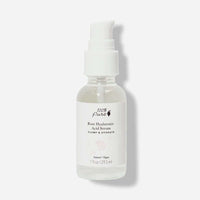
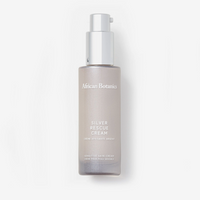
If you would like a hydrating layer between serum and cream, the Rose Hyaluronic Acid Serum by 100% Pure is built on aloe juice, rose water and sodium hyaluronate. It contains rose flower oil, so patch test it too. For a moisturiser with no parfum on its ingredient list, look at the Silver Rescue Cream by African Botanics.


Patch testing vitamin C: the three-day check
A patch test will not guarantee how your face reacts, but it catches many problems before they reach it.
+ Choose a small area of skin, such as behind the ear, the side of the neck or the inner forearm.
+ Apply a small amount of the serum once a day for three days, the way you would use it on your face.
+ Check the area each day. If there is no redness, itching, stinging or swelling, try it on a small area of the face, such as along the jaw, for a few days more.
+ If anything reacts, rinse it off with cool water and stop using the product.
Patch test each new product on its own. If you test two at once and one reacts, you will not know which one it was.
What to pair vitamin C with
Vitamin C sits comfortably in a simple morning routine. These pairings tend to work well:
+ A moisturiser. It keeps skin comfortable while it gets used to a new active ingredient.
+ Sun protection. Use a broad-spectrum sunscreen every morning. Vitamin C is often used under sunscreen, never instead of it.
+ Hydrating ingredients such as hyaluronic acid (listed as sodium hyaluronate), glycerin and panthenol.
+ Niacinamide. It is often used in the same routine as vitamin C. On reactive skin, introduce one first and add the other a few weeks later.
The simplest order is: cleanser, vitamin C serum, any hydrating serum, moisturiser, then sunscreen.
What to keep apart, and what to avoid
On sensitive skin, the problem is often not vitamin C itself but too many active ingredients at once.
+ Exfoliating acids: AHAs such as glycolic and lactic acid, and BHAs such as salicylic acid. Use them at a different time of day from your vitamin C, and not on the same days while your skin adjusts.
+ Retinol and other forms of vitamin A. Use vitamin C in the morning and vitamin A in the evening, and introduce them a few weeks apart.
+ More than one vitamin C product. One is enough. Layering several raises the chance of irritation.
+ Broken, sunburnt or irritated skin. Pause vitamin C until your skin has settled.
If you use a prescription treatment, check with your doctor or pharmacist before adding vitamin C.
Storing vitamin C so it stays gentle
Vitamin C can break down when it is exposed to air, light and heat, and many formulas darken as it happens. A serum that has noticeably changed colour is best replaced.
+ Close the lid straight after use.
+ Keep it somewhere cool and out of direct light, not on a sunny windowsill.
+ Use it within the time shown by the open-jar symbol on the pack, for example 6M for six months.
+ If the colour, smell or texture changes, or it starts to sting when it did not before, replace it.
Frequently Asked Questions
Often, yes. Choose a gentler form such as magnesium ascorbyl phosphate or tetrahexyldecyl ascorbate, patch test first, and start two or three mornings a week. If you have rosacea, eczema or persistent redness, check with a dermatologist or pharmacist first.
Derivatives such as magnesium ascorbyl phosphate, sodium ascorbyl phosphate, tetrahexyldecyl ascorbate and ascorbyl glucoside are more stable than pure ascorbic acid and do not need such an acidic formula, so they are a sensible place to start. The rest of the formula matters too: look out for fragrance, essential oils and alcohol.
Pure ascorbic acid is usually formulated at a low pH, which can cause tingling. Fragrance, essential oils, alcohol, or using it with exfoliating acids can also sting. A brief, mild tingle can happen. If stinging lasts, or you see redness or itching, stop using it.
Start two or three mornings a week for the first two weeks. If your skin stays comfortable, move to every other morning, then daily.
Niacinamide is often used in the same routine as vitamin C. On reactive skin, introduce one at a time. Keep retinol for the evening and vitamin C for the morning, and start them a few weeks apart.
Morning is the most common choice, under moisturiser and sunscreen. Some products can be used at night too, so follow the brand's directions. Whenever you use it, wear sunscreen during the day.
A gentle vitamin C routine, in short
Vitamin C and sensitive skin can get along. Choose a gentler form, read the whole ingredient list, patch test, and start two or three mornings a week before building up. Keep exfoliating acids and vitamin A to other times of day, and finish every morning with sunscreen.
Start with the Vitamin C Face Serum by 100% Pure or the Vita C Corrector by African Botanics, or browse our serums and creams for sensitive skin.
If your skin stays red, sore or itchy, or you have a diagnosed skin condition, speak to a dermatologist or pharmacist.