

The Ultimate Guide to SPF: Sun Protection for Healthy, Glowing Skin
The complete guide to SPF: mineral vs chemical, UVA vs UVB, the right SPF for your skin type, and the daily routine that prevents up to 90% of visible ageing. Plus the SPF myths still costing your skin.
 8 min read
Up to 90% of visible skin ageing is caused by UV — and daily broad-spectrum SPF prevents most of it. Here is how to actually use sunscreen properly.
WHY SPF IS THE MOST POWERFUL ANTI-AGEING STEP YOU HAVE
Why SPF is non-negotiable
UV is the single largest external cause of skin damage. UVA penetrates deep into the dermis, breaking down collagen and elastin — the proteins that keep skin firm — and causing wrinkles, sagging and pigmentation. UVB damages the outer layers, causing sunburn and DNA damage that can lead to skin cancer.
Both reach the skin every day, all year, even through clouds and window glass. Broad-spectrum SPF blocks both, and daily use prevents the majority of visible ageing — which is why dermatologists call it the most cost-effective anti-ageing tool ever invented.
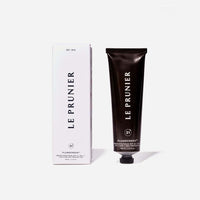
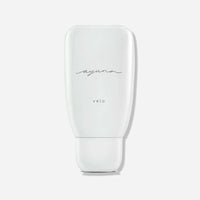


Up to 90% of visible skin ageing — fine lines, wrinkles, pigmentation, loss of elasticity, dullness — is caused by UV. Daily SPF prevents more than any serum, retinol or peptide can reverse.
7 essential SPF facts
1 - How often should you apply sunscreen?
Every single day, even in winter and on cloudy days. UV penetrates clouds and windows. Apply 15 to 30 minutes before sun exposure and reapply every 2 hours when outdoors. Reapply immediately after swimming, sweating or towel-drying.
2 - UVA vs UVB — what's the difference?
UVA rays penetrate deep and cause ageing (wrinkles, fine lines, pigmentation). UVB causes sunburn and increases cancer risk. Always choose broad-spectrum — anything labelled SPF without "broad-spectrum" only blocks UVB and leaves you exposed to ageing UVA.
3 - Mineral vs chemical sunscreens
Mineral sunscreens (zinc oxide, titanium dioxide) physically reflect UV. They start working immediately, are gentler for sensitive skin, and are reef-safe. Chemical sunscreens absorb UV via organic compounds, blend in more easily and feel lighter, but can irritate reactive skin.
4 - How much sunscreen should you use?
Two finger-lengths of product for the face and neck. One ounce (a shot glass) for the whole body. The 13-dot technique — 2 dots on each cheek, forehead, nose, chin and neck — guarantees even coverage. Most people use less than half the recommended amount.
5 - SPF is the best anti-ageing product
UV causes up to 90% of visible ageing. Daily SPF prevents more wrinkles, fine lines and pigmentation than any retinol, peptide or vitamin C can reverse.
6 - SPF prevents pigmentation
Sun exposure stimulates melanin production, creating dark spots and uneven tone — especially after acne, on melasma-prone skin, or during pregnancy. Daily SPF is the single most important step for preventing new pigmentation.
7 - SPF + vitamin C — the ultimate skin duo
Vitamin C in the morning, layered under SPF, neutralises free radicals from any UV that gets past the sunscreen while boosting collagen production. Together they deliver more brightening, anti-ageing and skin-protection than either alone.
Reapply every 2 hours when outdoors — and immediately after swimming, sweating or towel-drying. SPF breaks down with UV exposure, and one morning application is never enough for a full day in the sun.
How to layer SPF into a skincare routine
1 - Cleanse
2 - Vitamin C serum, wait 1–2 minutes
3 - Peptide or hydrating serum, wait 1 minute
4 - Moisturiser
5 - SPF 30+ as the final step — wait 2 minutes before makeup
SPF goes on AFTER moisturiser, never instead of it. Many moisturisers with SPF are under-applied and provide far less protection than a dedicated sunscreen.


Most-missed application zones
+ Ears — one of the most common spots for skin cancer because they're routinely missed. Apply along the rim and behind the ear. People who wear hats daily often skip this zone entirely.
+ Back of the neck and the V at the chest — the chest V receives more cumulative UV than the face over a lifetime, and the neck is where ageing shows fastest. Apply morning and reapply outdoors.
+ Hands — the second most age-revealing area after the face. Apply with your daily SPF and reapply after every hand wash. UV through car windows ages the driver-side hand visibly more over time.
+ Tops of feet in sandals — an extremely common burn site in summer. Apply before sandals; reapply when you reapply face SPF.
+ Eyelids and around the eyes — most regular sunscreens sting here. Use an SPF-formulated eye product, or a tinted mineral SPF that you can apply close to the lash line without irritation.
+ Lips — skin cancer on the lower lip is more common than most people realise. Use an SPF 30+ lip balm and reapply throughout the day, especially after eating or drinking.
+ Scalp parting — directly exposed and rarely protected. Use a powder SPF (easy to brush along the parting), a tinted root spray with SPF, or wear a hat. People with thinning hair are particularly at risk.
Common SPF mistakes
+ Using too little. The single biggest reason SPF "doesn't work" for people.
+ Skipping reapplication. Sunscreen breaks down in 2–3 hours of UV exposure.
+ Trusting moisturisers with SPF. Almost always under-applied.
+ Skipping on cloudy or winter days. Up to 80% of UV passes through clouds.
+ Forgetting indoor UV. Window glass blocks most UVB but lets most UVA through. Sit by a window all day and you're still ageing.
+ Using expired sunscreen. Active ingredients degrade. Check the expiry and replace annually.
How to choose the best SPF for your skin type
The "best SPF" depends entirely on your skin. Use the wrong one and you'll either irritate your skin (and stop using it) or get less protection than the label promises.
+ Sensitive or rosacea-prone skin — mineral SPF only (zinc oxide, titanium dioxide). Skip chemical filters which can sting and trigger flares. Fragrance-free formulas are non-negotiable.
+ Oily or acne-prone skin — lightweight gel or fluid SPF, non-comedogenic. Look for niacinamide or zinc PCA in the formula. Avoid heavy occlusive bases that trap sebum and trigger breakouts.
+ Dry or mature skin — cream or balm SPF with hydrating ingredients (hyaluronic acid, squalane, ceramides). Skin dehydrates faster as it ages, so reapply more often than the standard 2-hour rule suggests.
+ Combination skin — fluid or lotion SPF. Apply heavier on dry zones (cheeks), lighter on the T-zone.
+ Darker skin tones — choose chemical or hybrid mineral SPF, or a tinted mineral formula. Untinted zinc oxide leaves a visible white cast on darker complexions; tinted formulas blend invisibly.
+ Babies and children (6 months+) — mineral SPF only with the highest concentration of zinc oxide. Avoid oxybenzone, octinoxate and synthetic fragrance entirely. Under 6 months: keep out of direct sun and rely on clothing and shade instead of sunscreen.
+ Pregnancy — switch to mineral SPF only. Avoid oxybenzone and avobenzone (some evidence suggests endocrine disruption risk during pregnancy).
Match the formula to your skin and you'll actually use it daily — which is the only thing that determines whether sunscreen works long-term.
Frequently Asked Questions
Every day, all year round. UV rays penetrate clouds and windows, so sunscreen is non-negotiable even in winter or indoors near windows. Apply 15–30 minutes before exposure and reapply every 2 hours when outdoors.
UVA rays penetrate deep into the skin and are the primary cause of premature ageing — wrinkles, fine lines, pigmentation. UVB rays cause sunburn and increase skin cancer risk. Always use broad-spectrum sunscreen, which protects against both.
Mineral sunscreens (zinc oxide, titanium dioxide) physically block UV by reflecting it. They start working immediately, suit sensitive skin and are reef-safe. Chemical sunscreens absorb UV via organic compounds, feel lighter and blend in more easily but can irritate reactive skin. Both protect equally well when applied correctly.
Two finger-lengths of sunscreen for the face and neck. One ounce (a shot glass) for the entire body. Most people use less than half the right amount, getting only a fraction of the labelled SPF protection.
Yes. Up to 90% of visible skin ageing — fine lines, wrinkles, pigmentation, loss of elasticity, dullness — is caused by UV. Daily broad-spectrum SPF prevents far more ageing than any serum, peptide or retinol can reverse. It's the single most effective anti-ageing tool in skincare.
Yes — vitamin C and SPF are the perfect daytime pairing. Vitamin C neutralises free radicals from UV that get past the sunscreen, while boosting collagen production. Apply vitamin C first, wait a minute, then layer SPF on top as the final step.
SPF is the foundation everything else is built on
Sunscreen is the single most powerful skincare step you have. Broad-spectrum SPF 30 or higher, applied generously every morning and reapplied every 2 hours outdoors, prevents more ageing than any serum, retinol or peptide can reverse.
Layer it over vitamin C using our vitamin C serum guide, build the collagen layer with our peptides guide, and round out the routine with our natural Botox alternatives guide. SPF is the foundation everything else is built on.