

How to Control Frizz Naturally: The Clean-Living Guide to Smooth, Healthy Hair
Frizz isn't a flaw — it's a conversation between your hair and the air around it. What actually lifts the cuticle, the step-by-step clean routine that keeps it flat, the porosity test, and how to humidity-proof a summer.
 9 min read
Frizz isn't a flaw. It's a conversation between your hair and the air around it.
WORK WITH YOUR HAIR, NOT AGAINST IT
What actually causes frizz
Frizz has one root cause with three common triggers. The root cause is your hair's outer layer — the cuticle — lifting and letting moisture move in and out of the strand unpredictably.
Picture the cuticle as roof tiles overlapping down each hair. When those tiles lie flat and smooth, light bounces off evenly (that's shine) and the strand stays sealed. When they lift, the surface becomes rough, strands catch on each other, and water from the air rushes in — swelling the hair and throwing it out of alignment. That swelling, multiplied across thousands of strands, is what we see as frizz.
Three things make the cuticle lift:
1 - Humidity. This is the big one, and the reason frizz spikes in summer. Hair is hygroscopic — it draws in moisture from the air. On a humid day, water vapour penetrates the cuticle and temporarily reshapes the bonds inside the strand, so hair swells, puffs and loses its smooth line.
2 - A damaged or roughened cuticle. Heat styling, over-washing, harsh sulphates, aggressive towel-drying and colour processing all wear down the cuticle over time. Damaged cuticles simply can't lie flat, so they stay permanently open to the air, and frizz becomes your everyday baseline rather than a bad-weather event.
3 - High porosity. Porosity describes how easily your hair absorbs and releases moisture. High-porosity hair has more gaps and lifted areas along the cuticle — often from genetics, chemical processing or accumulated damage — so it soaks up humidity fast and loses hydration just as fast.
The takeaway: smooth, sealed, well-hydrated hair frizzes less.
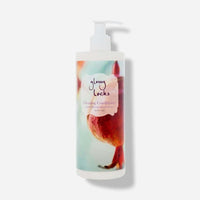
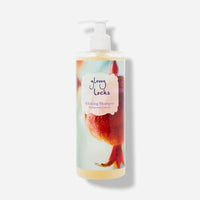


Smooth, sealed, well-hydrated hair frizzes less. Everything else is just detail.
Wash gently, condition always, rinse cool
Frizz control isn't a single hero product. It's a sequence of small, correct choices across washing, conditioning, drying and styling. Get the sequence right and you need far less product.
1 - Wash gently, and less often. Over-washing strips the natural oils that keep the cuticle conditioned and flat. Harsh sulphate detergents accelerate this, leaving hair squeaky, dry and primed to frizz. Reach for a sulphate-free, clean-formulated shampoo and focus the lather on your scalp — let it rinse through the lengths rather than scrubbing them. Washing every two to three days, rather than daily, gives your scalp's own oils time to do their protective work.
2 - Condition every single time. This is non-negotiable for frizz-prone hair; it's the step that smooths and re-seals the cuticle after cleansing. A nourishing, silicone-free conditioner coats the strand, reduces surface friction, and helps those roof tiles lie back down. Apply from mid-length to ends, where hair is oldest and most porous, and comb it through with your fingers or a wide-tooth comb.
3 - Finish with a cool rinse. Hot water lifts the cuticle. A final rinse with cool water encourages those tiles to close and lie flat. It takes ten seconds and it genuinely works.
In very high humidity, heavy humectants can backfire — pulling in so much moisture that hair swells and frizzes more. On the muggiest days, seal rather than draw.
Dry with intention, then seal and leave it alone
This is where a lot of frizz is quietly created. Rubbing wet hair with a rough terry towel roughens the cuticle and snaps fragile strands. Instead:
+ Blot and squeeze with a soft microfibre towel or a clean cotton T-shirt.
+ Never brush soaking-wet hair with a fine brush. Detangle gently with a wide-tooth comb while conditioner is still in.
+ If you air-dry, avoid touching it as it dries; friction from your hands lifts the cuticle again.
+ If you heat-style, always use a heat protectant and keep the temperature moderate. The smoothest blow-dry in the world isn't worth a permanently damaged cuticle.
The final move is to lay down a light protective layer that keeps outside moisture out and inside hydration in. On damp hair, smooth a leave-in treatment from roots to ends, then follow with a few drops of a lightweight natural oil, warmed between your palms and pressed over the lengths.
This is the essence of the LOC method — leave-in, oil, cream — a layering approach especially loved in the curly and natural-hair community for locking hydration into thirsty, high-porosity strands.
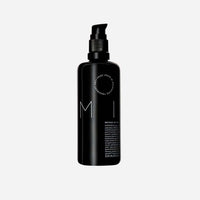
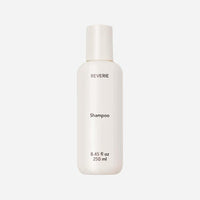


The natural ingredients that actually help
You don't need silicones to control frizz — you need ingredients that smooth, seal and hydrate in balance. Reach for:
+ Lightweight plant oils. Argan, jojoba, grapeseed and sweet almond are prized for frizz-prone hair because they seal the cuticle and add shine without the heavy, greasy finish of richer oils. Jojoba is a particular favourite because its structure is close to your scalp's own sebum.
+ Shea butter and plant butters. For coarser or curlier textures that need more slip and hold, a small amount smooths flyaways and defines.
+ Aloe vera. Lightweight, hydrating and cuticle-friendly.
+ Humectants, used wisely. Glycerin and other humectants draw water into the hair, which is wonderful in balanced conditions. But here's the nuance most guides skip: in very high humidity, heavy humectants can backfire, pulling in so much moisture that hair swells and frizzes more. In peak summer humidity, lean on sealing oils and lighter, humectant-balanced formulas rather than glycerin-rich ones.
This is what clean hair care does well — it lets the right ingredient do a specific job, rather than masking the problem with a synthetic coating that builds up over time.
Know your porosity: the simple test
Because high porosity is such a common frizz driver, it's worth knowing yours. Take a single clean strand of hair — freshly washed, no product — and drop it into a glass of water:
+ Sinks quickly: high porosity. Your cuticle is open; it drinks up humidity fast. Prioritise sealing oils, leave-ins and regular deep conditioning.
+ Floats for a while: low porosity. Moisture struggles to get in; use lighter products and a little warmth to help them absorb.
+ Sits in the middle and sinks slowly: balanced, medium porosity. The easiest to manage — maintain with a consistent clean routine.
Knowing this lets you stop guessing and choose products that match how your hair actually behaves.
Humidity-proofing your hair this summer
Summer is frizz's favourite season. When the air is thick with moisture, defence matters more than styling. Here's how to hold a smooth finish when the forecast is against you:
1 - Seal before you step out. A light oil or anti-frizz serum over dry, styled hair creates a barrier that slows how fast humidity can penetrate the cuticle. Do this last, once hair is fully dry and styled.
2 - Go humectant-light on humid days. Swap glycerin-heavy formulas for sealing, humidity-resistant ones when moisture in the air is high.
3 - Protective and low-manipulation styles win. A loose braid, a soft twist, a claw-clip updo — anything that keeps lengths gathered and reduces exposed surface area gives humidity less to work with.
4 - Sleep on silk. A silk or satin pillowcase reduces the friction that lifts the cuticle overnight, so you wake with less frizz and static.
5 - Don't forget your scalp. Summer sun stresses the scalp and the roots, and a healthy scalp is the foundation of healthy, resilient hair.
6 - Refresh, don't re-wash. Between washes, a light mist and a re-seal beats a full re-wash, which only re-exposes the cuticle. Less manipulation, less frizz.
Foire aux questions
Not necessarily. Frizz is often just the cuticle reacting to humidity — even perfectly healthy hair frizzes on a damp day. But persistent frizz in all conditions can signal a roughened or damaged cuticle from heat, harsh products or over-processing, which is worth addressing with a gentler, more sealing routine.
Yes. The core drivers of frizz — a lifted cuticle, dehydration and high porosity — all respond to gentle cleansing, thorough conditioning, a cool rinse, careful drying and light sealing oils. Silicones can smooth temporarily but tend to build up over time; natural sealing oils achieve a comparable finish while keeping hair genuinely conditioned.
Because summer air holds far more moisture. Hair naturally draws in water from humid air, which swells the strand and lifts the cuticle — the more humid it is, the more pronounced the frizz. This is why sealing the cuticle and choosing humectant-light formulas matters most in the warmer months.
Every two to three days suits most frizz-prone hair. Daily washing strips the natural oils that keep the cuticle flat, and each wash re-exposes the strand. Between washes, refresh with a light mist and a re-seal rather than a full re-wash.
The Botā view
Frizz responds to consistency, not force. A gentle sulphate-free wash, conditioner every time, a cool rinse, careful drying and a light natural seal — done regularly — will do more than any single miracle product.
Learn your porosity, respect your texture, and treat humidity as something to prepare for rather than fight. Smooth hair, the clean way, is simply hair that's been well understood.