
How to Wash Your Hair Properly: Best Tips for Healthy Hair
Most of us never really learned how to wash our hair — we copied shampoo adverts. This 60-second fix covers how often to wash your hair by hair type, the water temperature that protects shine, the lathering technique nearly everyone skips, and why the rinse matters more than the shampoo itself.
 8 min read
How you wash your hair matters as much as what you wash it with.
THE TECHNIQUE THAT BEATS YOUR SHAMPOO BRAND
How often should you wash your hair?
There is no universal "right" answer — wash frequency depends on your hair type, lifestyle and scalp:
+ Fine, oily hair — every 1 to 2 days. Sebum reaches the lengths fast and weighs hair down. A clarifying shampoo once a week prevents buildup.
+ Thick, normal hair — every 2 to 3 days. Daily shampooing strips natural oils and triggers more sebum production over time.
+ Curly or coily hair — every 5 to 7 days, with co-washing on intervening days. Curls need their oils to retain moisture; over-washing causes frizz and breakage.
+ Colour-treated or chemically processed hair — every 3 to 4 days max, using sulphate-free shampoo to preserve pigment and condition.
+ Workout-heavy schedule — a quick post-workout rinse with water (no shampoo) on most days, full wash 2 to 3 times a week.
Let your scalp tell you. If hair looks lank by day 2, you may need a clarifying shampoo or to switch to a lighter conditioner. If it's dry by day 3, you're washing too often or using too harsh a shampoo.
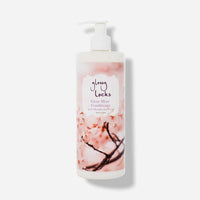
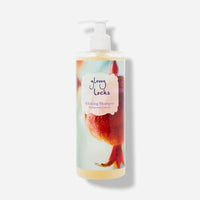


Shampoo the scalp, not the lengths. The lather rinses through the lengths as you rinse — they don't need direct shampoo, and direct application strips and damages mid-lengths.
The step-by-step hair washing technique
1 - Brush hair before the shower. Wet hair is at its weakest. Detangle with a wide-tooth comb or brush while dry to minimise breakage.
2 - Wet hair thoroughly with lukewarm — not hot — water for 30 to 60 seconds. Hot water lifts the cuticle, strips natural oils, and dehydrates the scalp.
3 - Apply shampoo to your scalp only, not the lengths. Use a 5p-sized amount for short hair, 10p for medium, two 10p amounts for long. The lather rinses through the lengths as you rinse — they don't need direct shampoo.
4 - Massage the scalp with the pads of your fingertips (never nails) for at least 60 seconds. This lifts product buildup, improves circulation, and is the single most effective scalp-care step you can do.
5 - Rinse thoroughly. Spend longer rinsing than feels necessary — leftover shampoo causes itchiness, dullness and flakes.
6 - Apply conditioner from mid-lengths to ends. Comb through with a wide-tooth comb. Leave on for 2 to 5 minutes.
7 - Finish with a cool water rinse for 10 seconds. Cool water seals the cuticle for instant shine and reduces frizz.
8 - Squeeze water out gently, then wrap in a microfibre towel or cotton t-shirt. Never rub — towel friction is the #1 cause of breakage and frizz.
A 60-second scalp massage with the pads of your fingertips is the single most effective scalp-care step you can do — better than any expensive treatment, and it costs nothing.
Choosing the right shampoo for your hair type
+ Fine, oily hair — volumising, sulphate-free clarifying shampoo. Look for tea tree, salicylic acid or charcoal to balance oil production.
+ Thick, dry hair — moisturising sulphate-free shampoo with shea butter, argan oil or honey. Skip clarifying formulas — they strip too much.
+ Curly or coily hair — ultra-moisturising, sulphate-free formulas with glycerin, slip agents and natural oils. Co-wash (conditioner-only wash) on alternate days.
+ Colour-treated hair — colour-safe, sulphate-free shampoo with UV filters. Avoid clarifying shampoos that strip pigment.
+ Damaged hair — protein-enriched shampoo (hydrolysed wheat, keratin) alternated with moisturising formulas. Protein every wash makes hair brittle; alternate for balance.
+ Sensitive scalp or dandruff-prone — fragrance-free with zinc pyrithione, ketoconazole or selenium sulphide. Use medicated shampoo 2 to 3 times a week.
Avoid: SLS (sodium lauryl sulphate) in regular shampoos — strips natural oils; synthetic fragrance — a common trigger for scalp irritation; silicones in clarifying shampoos — paradoxically causes buildup.


Common hair washing mistakes that cause damage
+ Washing in hot water. Strips natural oils, lifts the cuticle, and accelerates colour fade. Lukewarm is the sweet spot.
+ Using too much shampoo. More product creates more residue and irritates the scalp. Coin to 10p-size is plenty.
+ Shampooing the lengths directly. The lengths don't need direct shampoo — the lather rinses through them. Direct application strips and damages mid-lengths and ends.
+ Scrubbing with fingernails. Causes scalp irritation, micro-cuts and inflammation. Use the pads of your fingertips only.
+ Skipping the conditioner. Even fine hair needs conditioner on the mid-lengths and ends. Skipping it is the fastest route to brittle ends and frizz.
+ Towel-rubbing. The single biggest cause of breakage and frizz. Squeeze, wrap, never rub.
+ Brushing wet hair. Wet hair stretches 30% before breaking. Detangle with a wide-tooth comb only, starting at the ends and working upward.
+ Washing too often. Daily washing trains the scalp to produce more oil. Stretch washes by 1 day at a time until you find your scalp's rhythm.
Pre and post-wash care that protects your hair
Pre-wash treatment (once a week)
Apply a pre-wash oil treatment (coconut, argan or olive oil) to dry hair 30 minutes before shampooing. The oil saturates the cuticle so shampoo can't strip natural moisture. Pair with a warm towel wrap for intensive conditioning.
During the wash
Use a scalp massager (silicone bristle brush) for 60 seconds during shampooing. Improves circulation, deep-cleans the scalp, and feels great. The single best haircare upgrade for under £10.
Post-wash care
+ Apply leave-in conditioner to damp (not soaking) hair.
+ Add heat protectant before any heat styling.
+ Finish with a few drops of hair oil on the ends only — not the roots.
+ Air dry to 60% before any heat styling. Wet hair is at its most fragile under direct heat.
Weekly
Use a deep conditioning mask once a week (10 to 20 minutes with a warm towel for extra penetration). This is what separates healthy hair from average hair.
How to spot when your wash routine isn't working
Signs to adjust your hair washing routine:
+ Hair lank or oily by day 2 — try clarifying shampoo once a week or switch to a lighter conditioner that you apply only to mid-lengths and ends.
+ Itchy or flaky scalp — you may be rinsing shampoo too quickly, or using a fragrance that doesn't agree. Try a fragrance-free, dandruff-supporting shampoo for 4 weeks.
+ Dull or dry hair within 24 hours of washing — water is too hot, towel is too rough, or you need a richer conditioner.
+ Excessive breakage in the shower or on the comb — hair is being washed too often, towel-rubbed, or detangled wet without enough conditioner slip.
+ Hair feels squeaky-clean (not slippery) — you're using too much shampoo or one that's stripping. Switch to a sulphate-free formula.
Most hair issues come from technique, not products. Fix the technique first, then re-evaluate your products.
Frequently Asked Questions
Use lukewarm water and a sulfate-free shampoo. Massage your scalp gently. Rinse thoroughly and condition the ends. Avoid daily washing.
Wet your hair thoroughly with lukewarm water. Apply a small amount of shampoo and gently massage your scalp. Rinse well. Apply conditioner to the ends and rinse again. Dry gently with a towel.
Professionals wet hair with lukewarm water. They apply a quality shampoo, massage the scalp, and rinse thoroughly. Then, they condition the hair, focusing on the ends, and rinse again. Finally, they gently towel-dry hair
Wet hair with warm water. Apply shampoo and massage the scalp gently. Rinse thoroughly. Use conditioner on ends. Rinse well.
Wash your Hair 2-3 times a week. Overwashing can strip natural oils.
Choose a shampoo suited to your hair type: oily, dry, or normal.