

anti-aging serum for sensitive skin

Best Skin Serum for Sensitive Skin: Top Picks & Expert Tips

Find the best skin serum for sensitive skin with dermatologist-recommended options. Get details on key ingredients, application tips, and ways to reduce irritation.

Elodie S · · 5 min read
Best serum for sensitive skin - gentle anti-aging serums and skincare products for reactive sensitive skin types Bota 5 min read
Most sensitive-skin routines are too complicated and overload the barrier — making the very thing they're supposed to fix worse.

Most sensitive-skin routines are too complicated and overload the barrier — making the very thing they're supposed to fix worse. Here's the minimal-but-effective approach.

THE MINIMAL-BUT-EFFECTIVE ROUTINE FOR REACTIVE, IRRITATED SKIN

Pair this with our red marks guide if visible redness is part of your picture, our brightening skin guide for compatible tone-evening steps, and our vitamin C serum guide for a gentler approach to brightening.

What "sensitive skin" actually means

Sensitive skin isn't one condition — it's an umbrella for several:

+ Reactive skin — stings, burns or flushes from products that other people tolerate fine. Usually a barrier issue.
+ Rosacea-prone skin — persistent redness, visible capillaries, triggered by heat, stress, alcohol, certain foods.
+ Allergic or contact-prone skin — develops bumps, itching or rashes from specific ingredients (fragrance, essential oils, dyes).
+ Compromised-barrier skin — temporarily sensitised from over-exfoliation, harsh actives or environmental stress.

Treatment overlaps significantly, but knowing your subtype matters. Reactive and compromised-barrier skin can usually rebuild within 4–8 weeks. Rosacea and contact allergy need longer-term management and possibly a dermatologist.
100 Pure Calendula Flower Cleansing Milk Face | Botā natural skincare.
Editor's Pick Calendula Flower Cleansing Milk
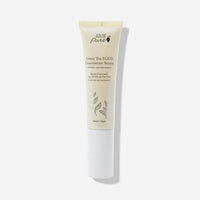
100 Pure Green Tea EGCG Concentrate Serum Face | Botā natural skincare.
Editor's Pick Green Tea EGCG Concentrate Serum

Sensitive skin needs four weeks to demonstrate it can tolerate something before another change is layered on. Reactions appear at week 2 or 3, not day 1.

The hero ingredients for sensitive skin

+ Niacinamide (5%) — calms inflammation, evens tone, strengthens barrier. Tolerated by 95% of sensitive skin types.
+ Centella asiatica (cica) & madecassoside — visibly calms redness within hours of application.
+ Panthenol (provitamin B5) — soothes, hydrates, supports healing.
+ Ceramides — non-negotiable for barrier repair. Look for serums and moisturisers with 3+ ceramide types.
+ Hyaluronic acid & sodium hyaluronate — pure hydration, no irritation risk.
+ Allantoin & beta-glucan — gentle soothers, work well in sensitive-skin formulas.
+ Snail mucin — surprisingly well-tolerated, hydrates and supports skin repair.
+ Squalane — light, non-comedogenic, locks moisture in.
Did You Know?
Strip the routine back to a fragrance-free cleanser, ceramide moisturiser and mineral SPF for two weeks. Then add one serum at a time.

The ingredients to skip

+ Synthetic fragrance and parfum — the #1 cause of skin reactions, even in expensive products.
+ Denatured alcohol (alcohol denat., SD alcohol) high in the ingredient list — strips the barrier.
+ Essential oils — even "natural" ones (citrus, lavender, peppermint, tea tree) can trigger reactions in sensitive skin.
+ High-concentration AHAs/BHAs — glycolic above 10%, salicylic above 2% are too aggressive.
+ Strong retinol — start with retinaldehyde 0.05% or encapsulated retinol 0.025%, never tretinoin without dermatologist supervision.
+ Physical scrubs — micro-tears the barrier.
+ Sulphates in cleansers — SLS strips natural oils.
100 Pure Rose Micellar Cleansing Water Face | Botā natural skincare.
Editor's Pick Rose Micellar Cleansing Water
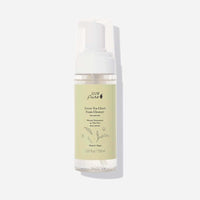
100 Pure Green Tea Cloud Foam Face Cleanser Face | Botā natural skincare.
Editor's Pick Green Tea Cloud Foam Face Cleanser

The routine that actually works for sensitive skin

Morning:

1 - Cream or oil cleanser (or just rinse with cool water if very reactive).
2 - Niacinamide 5% serum on damp skin.
3 - Hyaluronic acid serum for hydration.
4 - Ceramide moisturiser.
5 - Mineral SPF 30+ with zinc oxide (not chemical). Look for fragrance-free, baby-safe formulas.

Evening:

1 - Gentle cream cleanser or double cleanse with a balm + cream cleanser.
2 - Centella or madecassoside serum for calming and recovery.
3 - Optional active: 5% niacinamide, low-dose retinaldehyde, or sodium ascorbyl phosphate vitamin C, alternated 2–3 nights a week.
4 - Rich ceramide moisturiser — apply over slightly damp skin for an occlusive seal.

The most important rule: one new product every 4 weeks. Sensitive skin needs time to demonstrate it tolerates something before another change is layered on.

How to patch test properly

1 - Apply a pea-sized amount of the new product to your inner forearm or behind the ear.
2 - Repeat once daily for 5 days.
3 - If no redness, burning, itching or bumps appear, do a second test on the side of the jawline for 5 more days.
4 - Only then introduce it to your full face — and start with 2 nights a week, not nightly.

Skipping the patch test is the single most common reason for sensitive-skin disasters. It takes 10 days; product damage takes weeks to repair.

If your skin is in active flare-up

Strip the routine to the bare essentials for 2 weeks:

+ Fragrance-free cream cleanser (or just water).
+ Ceramide-rich moisturiser, applied 2–3 times a day.
+ Mineral SPF in the morning.
+ Nothing else. No actives, no serums, no exfoliants, no toners.

This "skin diet" gives the barrier time to rebuild. Once skin is calm for 7 consecutive days, you can begin reintroducing one product at a time, starting with the gentlest serum (niacinamide or centella).

When to see a dermatologist

If symptoms persist beyond 2 months of a strict, gentle routine, or if you experience swelling, pus, burning that won't settle, or new symptoms (bumps, scaling, blistering), see a dermatologist. Conditions like rosacea, perioral dermatitis, seborrhoeic dermatitis and contact allergies need specific treatment — they will not respond to general "gentle skincare".
FAQ

Frequently Asked Questions

Niacinamide, centella, panthenol, ceramides, hyaluronic acid, allantoin, beta-glucan, snail mucin and madecassoside. Avoid fragrance, alcohol, essential oils and high-strength acids.

Yes — gentler forms like sodium ascorbyl phosphate or tetrahexyldecyl ascorbate, not high-percentage L-ascorbic acid.

Yes, very slowly. Start with retinaldehyde 0.05% twice a week, sandwich between moisturiser, build over 12 weeks.

5 days on the inner forearm, then 5 days on the jaw, before applying to the full face.

One every 4 weeks — sensitive skin reactions often appear at week 2 or 3, not day 1.

Usually too many "gentle" products layered together. Strip back to cleanser, ceramide moisturiser and SPF for 2 weeks, then add one serum at a time.

Final Thoughts

The calmest, most effective approach

Sensitive skin responds best to the smallest routine that works. Niacinamide, ceramides, panthenol, hyaluronic acid, gentle SPF — applied consistently for 8 weeks — outperforms any "fancy" actives routine that triggers flares. For specific guidance on calming persistent redness, see our red marks guide. For gentler brightening, our brightening guide and vitamin C serum guide both include sensitive-skin-friendly protocols.