
Cluster:Refillable beauty

10 Harmful Chemicals in Beauty Products (and Their Safe Natural Alternatives)

10 specific harmful chemicals in mainstream beauty products — parabens, phthalates, sulphates, oxybenzone and more — plus the safer natural alternatives that actually work.

Elodie S · · 2 min read
10 Harmful Chemicals in Beauty Products (and Their Safe Natural Alternatives) 2 min read
168 chemicals applied daily through skincare and makeup. A handful are linked to skin irritation, hormone disruption, and cancer risk. Here are the 10 worth avoiding.

The average person applies 168 chemicals to their skin daily. A handful of them are linked to skin irritation, hormone disruption and cancer risk. Here are the 10 to avoid — and the safer alternatives that work.

THE 10 INGREDIENTS TO AVOID — AND THE SAFER NATURAL SWAPS

Pair this with our clean beauty switch guide for the broader framework, our sensitive skin serum guide for how these ingredients particularly affect reactive skin, and our skin barrier guide — most of these chemicals damage the barrier first.

See the full list of ingredients we refuse in our Clean Standards, and look up any active — or its safe alternative — in our ingredient glossary.

Parabens and phthalates (and what to use instead)
1 - Parabens (methylparaben, propylparaben, butylparaben)

What they are: synthetic preservatives that prevent bacterial growth in skincare. Found in moisturisers, makeup, deodorants, shampoos.

Why avoid: detected in breast tumour tissue (correlation, not proven cause). Mimic oestrogen, contributing to endocrine disruption. Persistent in waterways.

Safer alternatives: plant-based preservatives like rosemary extract (antioxidant + antimicrobial), vitamin E (tocopherol), grapefruit seed extract, or radish root ferment lysate. Look for paraben-free certification on the label.

2 - Phthalates (DBP, DEHP, DEP)

What they are: plasticisers used to soften plastics. In skincare, hidden under "fragrance" as a fragrance carrier and used to make nail polish flexible.

Why avoid: among the strongest evidence for endocrine disruption in cosmetic ingredients. Linked to reproductive issues. Recently restricted in EU products under 50 ppm but still common in cheaper imports.

Safer alternatives: fragrance-free formulations, or products scented only with named essential oils (e.g., "lavender essential oil" rather than "parfum"). Avoid nail polishes that don't disclose plasticisers.
100 Pure Glossy Locks Glossing Shampoo Hair | Botā natural skincare.
Editor's Pick Glossy Locks Glossing Shampoo
100 Pure Multi-Vitamin + Antioxidants Ultra Riche PM Treatment Face | Botā natural skincare.
Editor's Pick Multi-Vitamin + Antioxidants Ultra Riche PM Treatment

The average woman applies 168 chemicals to her body daily. Most are well-tolerated. A handful aren't — and they're easy to avoid once you know what to look for.

Synthetic fragrance, sulphates and oxybenzone

3 - Synthetic fragrance / parfum

The #1 cause of cosmetic-related contact dermatitis. A single "parfum" listing can contain 50 to 200 undisclosed chemicals, some of which are common allergens, others endocrine disruptors. Found in 95% of mainstream skincare and cosmetics.

Safer alternatives: "fragrance-free" (no scent ingredients at all) or products scented with pure essential oils that are individually listed on the label. Look for IFRA-compliant products if essential oils are used.

4 - Sulphates (SLS, SLES)

Harsh foaming surfactants that strip the skin's lipid layer. Cause dryness, sensitivity, eczema flares. SLES can be contaminated with 1,4-dioxane (a probable human carcinogen).

Safer alternatives: gentle plant-based surfactants — coco-glucoside, decyl glucoside, lauryl glucoside, sodium cocoyl isethionate. These cleanse effectively without stripping. Look for "sulphate-free" on shampoos and facial cleansers.

5 - Oxybenzone and octinoxate (in chemical sunscreens)

UV filters in chemical sunscreens. Banned in Hawaii, Key West and several other coral-reef destinations for reef damage. Detected in breast milk and human blood; correlated with endocrine disruption.

Safer alternatives: mineral sunscreens with zinc oxide and/or titanium dioxide. Start working immediately, gentler for sensitive skin, reef-safe, no endocrine disruption evidence.
Did You Know?
Every harmful ingredient has a safer natural alternative that works as well or better. The swap is straightforward once you can read the INCI ingredient list.

Formaldehyde-releasers, mineral oil and talc
6 - Formaldehyde-releasing preservatives (quaternium-15, DMDM hydantoin, imidazolidinyl urea)

These ingredients slowly release formaldehyde — a known human carcinogen and common allergen — to preserve products. Banned in EU cosmetics from 2024.

Safer alternatives: ethylhexylglycerin, sorbic acid, dehydroacetic acid, leucidal liquid (radish-fermented), or vitamin E as a natural preservative. Most genuine clean beauty brands have already removed all formaldehyde-releasers.

7 - Mineral oil and petrolatum

Derived from petroleum. Occlusive (locks in moisture) but provides no nutritional benefit to skin. Lower grades can be contaminated with PAHs (polycyclic aromatic hydrocarbons), a known carcinogen group.

Safer alternatives: squalane (sugarcane-derived, skin-identical lipid), shea butter, jojoba oil, sweet almond oil. All occlusive AND provide actual skin benefits.

8 - Talc

Mineral powder used in face powder, baby powder, eyeshadow. Talc deposits can be contaminated with asbestos (proven carcinogen). Multi-billion-dollar lawsuits against major brands have established the risk.

Safer alternatives: arrowroot powder, rice powder, cornstarch, mica (asbestos-free certified), or boron nitride. All work similarly without the contamination risk.
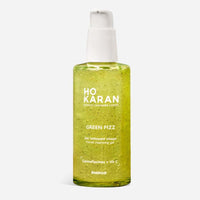
Ho Karan Green Fizz Face Cleanser Face | Botā natural skincare.
Editor's Pick Green Fizz Face Cleanser
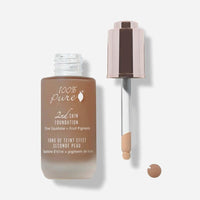
100 Pure Fruit Pigmented 2nd Skin Foundation Makeup | Botā natural skincare.
Editor's Pick Fruit Pigmented 2nd Skin Foundation

Denatured alcohol, BHA/BHT and triclosan

9 - Denatured alcohol (alcohol denat., SD alcohol)

Distinct from "fatty alcohols" like cetearyl alcohol (which are fine). Denatured alcohol strips the skin barrier, accelerates dehydration, and triggers compensatory oil production. Found high in the ingredient list of many toners, mists and acne products.

Safer alternatives: skip products with denatured alcohol high in the ingredient list. Fatty alcohols (cetyl, cetearyl, stearyl alcohol) are the opposite — emollient, beneficial. Read the label carefully.

10 - BHA and BHT (synthetic antioxidants)

Butylated hydroxyanisole and butylated hydroxytoluene used to extend product shelf life. BHA is a possible human carcinogen per WHO. Both are endocrine disruptors. Found in lipsticks, moisturisers, fragrances.

Safer alternatives: natural antioxidants — vitamin E (tocopherol), vitamin C, rosemary extract, green tea extract. These preserve products effectively without the health risks.

Bonus mention: Triclosan — antimicrobial banned from hand soap in the US in 2016 but still found in some skincare. Endocrine disruptor, environmentally persistent. Skip any product still listing it.

How to audit your existing skincare collection

Don't throw everything out at once. Audit one product at a time:

1 - Flip over each product. Find the INCI ingredient list (usually small print on the back).

2 - Scan for the 10 ingredients above. Use Ctrl+F in your browser if you photograph the label and OCR it.

3 - Note which products contain the highest-priority avoids: parabens, phthalates, sulphates, oxybenzone, formaldehyde-releasers.

4 - Prioritise replacement of:

+ Leave-on products (highest absorption time)
+ Products you use daily (highest cumulative exposure)
+ Products applied near eyes, mouth, sensitive areas
+ Children's products (always)

5 - Use up the lower-risk products as you transition. There's no environmental benefit to wasting product.

Free tools to scan products: EWG's Skin Deep database (skindeep.org), Yuka app (scan barcodes), INCIDecoder.com (paste in ingredient lists).

Set a goal: 50% of your shelf clean within 6 months, 80% within a year. The cumulative reduction in chemical exposure compounds meaningfully even if you don't go 100%.
Recommended

Brands and certifications worth trusting

Look for these independent certifications on packaging:

+ ECOCERT / COSMOS Organic — strict natural ingredient and manufacturing standards.

+ Soil Association — UK equivalent, equally rigorous.

+ Leaping Bunny — the gold standard for cruelty-free across the entire supply chain.

+ EWG Verified — means the product avoids EWG's high-concern ingredients.

+ MADE SAFE — thorough screening for harmful chemicals.

+ Vegan Society / Vegan Action — confirms no animal-derived ingredients.

Brands consistently meeting most or all of the above standards: Pai Skincare, African Botanics, Aurelia London, Weleda, Dr Hauschka, Madara, Ren Clean Skincare, Tata Harper, Indie Lee, UpCircle Beauty. None are perfect, but all are meaningfully ahead of mainstream brands on the criteria above.

Skip: brands that lean on "natural" or "clean" marketing without any of the certifications above. The label means nothing without the verification behind it.
FAQ

Frequently Asked Questions

The 10 most worth avoiding: parabens, phthalates, synthetic fragrance/parfum, sulphates (SLS/SLES), oxybenzone, formaldehyde-releasers (DMDM hydantoin, quaternium-15), mineral oil, talc, denatured alcohol, and BHA/BHT. Each has clear health concerns and safer natural alternatives that work as well or better.

Parabens have been detected in breast tumour tissue (correlation, not proven cause) and mimic oestrogen, contributing to endocrine disruption. While not banned in most countries, evidence is strong enough that genuine clean beauty brands avoid them entirely. Plant-based preservatives (rosemary extract, vitamin E) work as effectively without the concern.

Synthetic fragrance (listed as 'parfum' or 'fragrance') can contain 50 to 200 undisclosed chemicals — some are common allergens, others endocrine disruptors. It's the #1 cause of cosmetic-related contact dermatitis. Look for 'fragrance-free' products, or products scented only with named essential oils.

Yes for almost everyone. Sulphates (SLS, SLES) are harsh foaming surfactants that strip the skin and hair's natural lipids, causing dryness and barrier damage. SLES can also be contaminated with 1,4-dioxane, a probable human carcinogen. Plant-based surfactants (coco-glucoside, decyl glucoside) cleanse without stripping.

For most people, yes — particularly sensitive skin, children, and pregnant women. Mineral SPF (zinc oxide, titanium dioxide) physically reflects UV, starts working immediately, doesn't sting, and avoids the oxybenzone/octinoxate endocrine-disruption concerns of chemical filters. Chemical sunscreens blend more easily but carry more concerns.

INCI (International Nomenclature of Cosmetic Ingredients) lists are sorted by concentration — ingredients at the top are most prevalent, ingredients at the bottom are less than 1%. Scan the first 5 to 10 ingredients for the 'avoid' list (parabens, phthalates, sulphates, fragrance, oxybenzone). Use free tools like INCIDecoder.com, EWG's Skin Deep database or the Yuka app to decode unfamiliar names.

Final Thoughts

The clean ingredient list worth shopping for
Avoiding the 10 ingredients above is the most concrete change you can make for cleaner, safer skincare. Each has a clear safer alternative — plant-based preservatives instead of parabens, mineral SPF instead of oxybenzone, gentle plant surfactants instead of sulphates, squalane instead of mineral oil. The swaps are easy once you know what to look for on the INCI list.

Start by auditing your current shelf. Use the EWG Skin Deep database, Yuka app or INCIDecoder.com to decode ingredient lists. Replace products gradually as you finish what you have, prioritising leave-on products and sunscreen first. For the broader framework that surrounds this ingredient-level audit, see our clean beauty switch guide. For the gentle formulations these chemicals are most often hidden from, our sensitive skin serum guide is essential. Six months of mindful ingredient-list reading transforms what's on your shelf — and your skin.