
Best Natural Laundry Detergent Guide: Reviews & Buying Tips
Natural laundry detergent done right — sulphate-free, biodegradable, septic-safe formulas that actually clean. Top brands compared, ingredient red flags to avoid, and the difference between eco-marketing and genuine clean.
 8 min read
Why 85% of people choose the wrong laundry detergent – and how the right formula can transform your clothes, skin, and environmental impact.
PLANT-BASED, FRAGRANCE-FREE, ACTUALLY EFFECTIVE
Why switch to a natural laundry detergent
Conventional laundry detergents work by stripping — they aggressively remove dirt, but they also strip natural oils from fabric, leave chemical residue on clothing, and (because most are synthetic-fragranced) deposit allergens directly onto skin.
The case for switching to natural laundry detergent:
+ Skin health — fragrance-free, hypoallergenic, plant-based surfactants reduce eczema flares, contact dermatitis, and unexplained rashes. Especially important for babies, children and sensitive skin.
+ Fabric longevity — gentler surfactants don't degrade fibres as quickly. Clothes last 30 to 50% longer.
+ Environmental impact — biodegradable formulas, no phosphates polluting waterways, often concentrated to reduce packaging.
+ Indoor air quality — synthetic fragrance in conventional detergent off-gasses for days after washing, contributing to poor indoor air. Natural alternatives are usually fragrance-free or use small amounts of pure essential oils.
+ Cost over time — concentrated natural detergents go further per wash than diluted conventional brands, often working out the same or cheaper per load.
The upgrade pays back across skin, fabric, environment and budget.
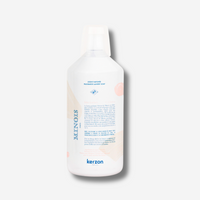
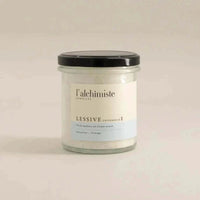


Most people use too much detergent. Use the smaller cap line even for heavily soiled loads — excess detergent leaves residue on fabric and triggers skin reactions.
What to look for in a natural laundry detergent
The best natural laundry detergents share these characteristics:
+ Plant-based surfactants — coconut-derived, palm-derived (sustainably sourced), or soapwort/soap nut extracts. These clean without stripping fabric or skin.
+ Biodegradable formula — ingredients break down naturally and don't accumulate in waterways.
+ Fragrance-free or pure essential oils only — no synthetic parfum (the #1 cause of laundry-related skin reactions).
+ Free of optical brighteners — these chemicals make whites look "whiter" but stay on the fabric and react to UV light. Common eczema trigger.
+ No phosphates, no chlorine bleach, no SLS, no parabens.
+ Hypoallergenic certified — look for accreditation from a dermatology body or eczema society.
+ Concentrated formula — less water = less packaging, lower carbon footprint, more washes per bottle.
+ Recyclable or refillable packaging — glass, aluminium, or refill-station bottles.
Avoid anything labelled "clean cotton", "morning rain" or "spring breeze" — these are almost certainly synthetic fragrance.
Half a cup of white vinegar in the rinse cycle softens fabric, removes detergent residue, and brightens whites — no fabric softener, no chemicals, no fragrance.
The harmful ingredients in conventional laundry detergent
Read the label of a typical supermarket detergent and you'll find:
+ Synthetic fragrance / parfum — a single "parfum" listing can contain 50+ undisclosed chemicals, many of which are common allergens.
+ Sodium lauryl sulphate (SLS) and sodium laureth sulphate (SLES) — harsh foaming agents that strip skin oils when they linger on fabric.
+ Optical brighteners — stay on fabric after washing, react to UV, common trigger for contact dermatitis.
+ 1,4-Dioxane — a byproduct of cleaning chemical manufacturing, classified as a probable human carcinogen.
+ Quaternium-15 — a formaldehyde-releaser used as a preservative. Common allergen.
+ Phosphates — cause algal blooms when they reach waterways.
+ Phthalates — endocrine disruptors hidden under "fragrance".
+ Chlorine bleach — respiratory irritant, releases toxic fumes when mixed with ammonia (common in cleaning products).
Switching removes all of these from contact with your skin and your home.
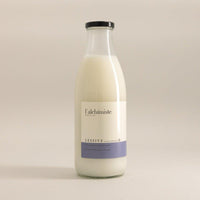


How to choose the right natural detergent for your laundry
+ Sensitive skin, eczema, baby laundry — hypoallergenic fragrance-free liquid detergent with plant-based surfactants. Look for dermatologist accreditation.
+ Hard water household — detergent with built-in plant-derived chelators (sodium citrate, sodium gluconate) to prevent mineral buildup. Or use with a water softener.
+ Heavy soils, sportswear or workwear — enzyme-based natural detergents with protease and amylase. Enzymes break down protein and starch stains naturally.
+ Delicate fabrics — mild liquid formula with no enzymes (they can degrade silk and wool over time). Use a separate delicate detergent.
+ Eco-priority household — concentrated soap nut extract, refill-station detergents, or solid laundry strips for zero plastic packaging.
+ Allergy household — fragrance-free, dye-free, optical-brightener-free formula. Wash everything new on a hot cycle before first wear to remove factory chemicals.
Matching the detergent to the laundry type makes a noticeable difference in fabric longevity and skin comfort.
How to use natural laundry detergent for best results
1 - Measure precisely. Most people use too much detergent. Use the smaller cap line, even for heavily soiled loads. Excess detergent leaves residue on fabric and skin.
2 - Match temperature to fabric. 30 to 40°C is enough for everyday loads. Reserve 60°C for towels, bedding and heavily soiled items. Lower temperatures save energy and protect fibres.
3 - Use a smaller load size with the same dose. Overfilling means clothes don't agitate properly and detergent doesn't rinse out fully.
4 - Add half a cup of white vinegar to the rinse cycle. Softens fabric, removes detergent residue, brightens whites — no chemicals, no fragrance.
5 - Skip fabric softener. Fabric softener coats fibres with waxy residue and is the second-most-common cause of skin reactions. Vinegar does the same job better.
6 - Use wool dryer balls instead of dryer sheets. Reduces drying time by 25%, softens naturally, no chemicals.
7 - Air-dry where possible. Tumble drying degrades fibres and increases static. Air-drying preserves fabric quality and saves energy.
8 - Clean your washing machine monthly. Run an empty hot wash with 1 cup of white vinegar to remove detergent buildup. Detergent residue in the machine transfers to every subsequent load.
Top tips for sensitive skin and eco-friendly laundry
For sensitive skin and eczema-prone households
+ Always wash new clothes before first wear (removes factory chemicals).
+ Use an extra rinse cycle to ensure no detergent residue remains.
+ Avoid fabric softener, dryer sheets, and any "scented" laundry product entirely.
+ Wash bedding weekly in hot water (60°C) to control dust mites.
+ Choose 100% cotton or organic fibre laundry where possible.
For eco-friendly households:
+ Switch to a concentrated detergent or laundry strips to reduce plastic.
+ Use refillable detergent dispensers where available.
+ Wash full loads on cold cycles where possible — 90% of laundry energy use goes to heating water.
+ Use wool dryer balls and air-drying instead of tumble drying.
+ Choose biodegradable formulas that won't pollute waterways.
For baby and toddler laundry:
+ Use a baby-specific natural detergent for the first two years.
+ Always wash baby clothes separately from adult laundry.
+ Avoid fabric softener and dryer sheets completely.
+ Run an extra rinse cycle on every baby load.
Frequently Asked Questions
Laundry detergent contains surfactants, enzymes, bleach, and fragrances. Surfactants remove dirt and stains. Enzymes break down proteins, fats, and carbohydrates. Bleach whitens clothes and kills bacteria. Fragrances give a pleasant smell.
Surfactants reduce water's surface tension, allowing water to mix with oils and dirt. They break down and remove stains from fabric, and they help rinse away the loosened dirt.
Enzymes break down complex stains, targeting proteins, fats, and carbohydrates. This makes it easier to wash away tough stains, and they work at lower temperatures, saving energy.
Yes, many detergents contain antibacterial agents. These agents kill bacteria and germs on clothes. Some detergents also contain bleach. Bleach effectively disinfects and whitens fabrics.
Look for "free and clear" labels meaning no dyes or fragrances. Avoid SLS, optical brighteners, and synthetic preservatives. Choose dermatologist-tested options.
Choose fragrance-free, dye-free formulations labeled hypoallergenic. Look for National Eczema Association acceptance or pediatrician recommendations.
Your natural laundry detergent checklist
A good natural laundry detergent does three jobs at once — cleans clothes effectively, protects sensitive skin from synthetic fragrance and sulphates, and reduces what you flush into the water system. Look for plant-based surfactants, no synthetic fragrance, no optical brighteners, concentrated formulas, and dermatologist-tested labels if anyone in your household has sensitive skin or eczema. Pair it with smart washing habits — lower temperatures, smaller doses, air-drying — and you’ll see longer-lasting clothes and calmer skin within a few weeks.
For the in-skin side of the same routine, our sensitive skin serum guide covers the calming ingredients that work in tandem with a fragrance-free wash routine.