
Cluster:Anti-ageing

The Simple Skincare Routine That Boosts Collagen (Science-Backed)

The science says less skincare done well boosts collagen better than complex routines. Here's the 5-ingredient protocol — vitamin C, retinol, peptides, hyaluronic acid, SPF — that visibly firms skin in 12 weeks.

Elodie S · · 2 min read
The Simple Skincare Routine That Boosts Collagen (Science-Backed) 2 min read
Collagen declines 1% per year from your mid-20s. The right 5 ingredients reverse it. Layered correctly in a simple routine, you'll see firmness improve in 8 to 12 weeks.

Complex routines don't boost collagen — they damage the barrier and break collagen down. Here's the 5-ingredient simple protocol that actually firms skin in 12 weeks.

THE 5-INGREDIENT COLLAGEN-BOOSTING PROTOCOL

Pair this with our peptides guide for the deep dive on the headline collagen-boosting ingredient, our vitamin C guide for the most accessible everyday collagen booster, and our skin barrier guide — collagen builds best on an intact barrier.

The science of collagen and why it declines

Collagen is the structural protein that makes up 70% of your skin's dry weight. There are five types of collagen in skin (I, III, IV, V, VII), each playing a slightly different role in firmness, elasticity and barrier integrity. Your fibroblast cells produce collagen continuously, but production declines roughly 1% per year from your mid-20s, accelerating after 40 and dramatically after menopause.

What actively damages collagen:

+ UV radiation — the #1 cause of collagen breakdown. UVA penetrates the dermis and triggers MMPs (matrix metalloproteinases) that degrade collagen.

+ Glycation — sugar molecules binding to collagen fibres, making them stiff and brittle.

+ Smoking — reduces blood flow to skin, increases free radicals, accelerates collagen breakdown by up to 40%.

+ Chronic stress — cortisol breaks down collagen and slows new production.

+ Poor sleep — collagen synthesis happens primarily during deep sleep.

+ Over-exfoliation — inflammation triggers collagen-degrading enzymes.

The goal of a collagen-boosting routine isn't just to stimulate new collagen — it's to STOP destroying the collagen you have. That happens through a combination of daily protection (SPF, antioxidants) and targeted stimulation (peptides, retinol, vitamin C).
100 Pure Vitamin C Face Serum Face | Botā natural skincare.
Editor's Pick Vitamin C Face Serum
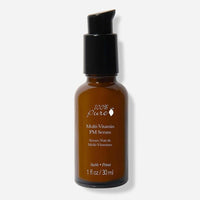
100 Pure Multi-Vitamin + Antioxidants Potent PM Serum Face | Botā natural skincare.
Editor's Pick Multi-Vitamin + Antioxidants Potent PM Serum

Complex routines don't boost collagen better — they break it down. Five well-chosen ingredients in a simple routine outperform 15 products applied haphazardly.

The 5 ingredients clinically proven to boost collagen

1 - Retinol (and retinaldehyde, retinoic acid)

The gold-standard collagen booster. Stimulates fibroblast activity, accelerates cell turnover, demonstrably increases Type I and III collagen production over 12 weeks. Start at 0.025% twice weekly, build to 0.5% nightly over 6 months.

2 - Vitamin C (L-ascorbic acid)

Essential cofactor for collagen synthesis — your body literally can't make collagen without it. A 10 to 15% L-ascorbic acid serum applied to dry skin every morning protects existing collagen AND supports new collagen production.

3 - Peptides (Matrixyl, copper peptides, signal peptides)

Short amino acid chains that signal fibroblasts to produce more collagen. Matrixyl shows up to 45% wrinkle depth reduction in clinical studies. Works synergistically with retinol.

4 - Hyaluronic acid

Doesn't directly produce collagen but creates the hydrated environment fibroblasts need to function optimally. Apply to damp skin for maximum effect.

5 - Niacinamide (5%)

Boosts the skin's own ceramide AND collagen production, evens tone, calms inflammation (which protects existing collagen). The most well-tolerated active in skincare.

These 5 ingredients together cover the full collagen story: protection (vitamin C, niacinamide), stimulation (retinol, peptides), and hydration (hyaluronic acid). Anything else is optional.
Did You Know?
Collagen production peaks between 10pm and 2am. Going to bed by 11pm contributes as much to firmness as any peptide serum on the market.

The simple morning routine for collagen

1 - Cleanse with a gentle, fragrance-free cleanser.

2 - Apply vitamin C serum (10–15% L-ascorbic acid) on dry skin. Wait 1 to 2 minutes.

3 - Apply hyaluronic acid serum on damp skin for hydration.

4 - Apply niacinamide 5% serum (can be combined with vitamin C in one product).

5 - Layer a ceramide-rich moisturiser with added peptides.

6 - Finish with mineral SPF 30+ (zinc oxide).

Under 90 seconds. Five active steps that together drive collagen production all day. SPF is non-negotiable — UV breakdown reverses everything else.

What NOT to do in the morning: acids (saved for evening), retinol (saved for evening), heavy creams that pill under SPF, applying products too quickly without absorption time between layers.

The order matters: vitamin C on dry skin first (most stable), then hyaluronic acid on damp skin (humectant needs water), then niacinamide (plays well with everything), then moisturiser (seal it all in), then SPF (always last in the morning).
100 Pure Calendula Flower Cleansing Milk Face | Botā natural skincare.
Editor's Pick Calendula Flower Cleansing Milk
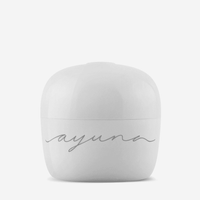
Ayuna Natural Rejuvenating Treatment Cream (Light) Face | Botā natural skincare.
Editor's Pick Natural Rejuvenating Treatment Cream (Light)
Ayuna Yan You Powder - Probiotic Powder Crystal Clear Skin Face | Botā natural skincare.

The simple evening routine for collagen

1 - Double cleanse (oil cleanser, then cream cleanser) to remove SPF and pollution.

2 - Apply peptide serum on damp skin.

3 - Retinol or retinaldehyde — 2 to 4 nights per week, NOT every night unless your skin is well-adapted. Apply 30 minutes after the peptide serum.

4 - On non-retinol nights, use a calming serum (centella, panthenol).

5 - Rich ceramide moisturiser to seal it all in.

6 - Optional: 2 to 3 drops of facial oil (squalane, rosehip, marula) as the final occlusive layer.

Night is when collagen production peaks (between 10pm and 2am). Going to bed by 11pm and getting 7+ hours of sleep is a meaningful contributor to collagen production — no serum compensates for chronic sleep deprivation.

Common evening routine mistakes: using retinol every night before your skin is adapted, layering acids on retinol nights, skipping moisturiser because you used oil, applying retinol to wet skin (causes irritation).

Lifestyle factors that compound your routine

Skincare drives roughly 50% of collagen results. The other 50% comes from lifestyle:

+ Sleep — 7 to 9 hours nightly, consistent sleep/wake times. Collagen synthesis happens during deep sleep. Less than 6 hours visibly accelerates collagen loss within weeks.

+ Sun protection beyond SPF — hats, UV-blocking sunglasses, shade between 11am and 3pm, UPF clothing. UV is the #1 collagen destroyer.

+ Anti-inflammatory diet — omega-3 from oily fish, antioxidants from berries, leafy greens, polyphenols from green tea and pomegranate. Reduce sugar (glycation), reduce alcohol (dehydration + inflammation).

+ Collagen-supporting nutrients — vitamin C (10mg+ daily), zinc, copper, lysine, proline. Hydrolysed collagen peptides (10g/day) have modest but real evidence for boosting skin collagen over 8–12 weeks.

+ Strength training — increases growth hormone secretion, which supports collagen production. Two to three sessions per week makes a measurable difference over 6 months.

+ Stress management — chronic cortisol breaks down collagen. Even 10 minutes of daily breathwork or meditation reduces stress hormone levels meaningfully.

+ Quit smoking — smoking reduces collagen production by up to 40%. The single biggest lifestyle factor for skin firmness.

The routine + lifestyle combination is what delivers the dramatic 12-week transformation. Either alone delivers about half the result.
Recommended

What to realistically expect (week by week)

Week 1–2: improved hydration, slightly plumper-looking skin. No firmness changes yet.

Week 4: visible "glow" from vitamin C and niacinamide. Skin feels smoother to the touch.

Week 6–8: noticeable firmness improvement, especially around eyes and mouth. Less crepiness on the neck.

Week 12: measurable wrinkle depth reduction (peptides + retinol kick in). Skin tone significantly more even. People start commenting that you 'look well-rested'.

Month 6+: peak collagen-building effect. Sustained over years, this routine slows collagen decline by an estimated 40 to 60% versus no intervention.

What NOT to expect:

+ Dramatic results in 2 weeks — collagen rebuilding is a months-long process.

+ Filler-like changes — topical actives can't replace what's been lost in volume from deep collagen depletion.

+ Same results without SPF — every unprotected sun exposure undoes part of the work.

Photograph yourself monthly in the same light. The week-to-week change is invisible; the month-to-month change is dramatic. Trust the data over the mirror.
FAQ

Frequently Asked Questions

A simple 5-ingredient routine: vitamin C and niacinamide in the morning (with SPF), peptides every night and retinol 2–4 nights per week. Layer over hyaluronic acid for hydration, and finish with a ceramide moisturiser. The simplicity protects the skin barrier, which is essential for collagen to actually rebuild.

Retinol is the most-studied (stimulates Type I and III collagen). Peptides (Matrixyl, copper peptides) signal fibroblasts directly. Vitamin C is an essential cofactor for collagen synthesis. Niacinamide boosts the skin's own collagen production. Hyaluronic acid creates the hydrated environment fibroblasts need.

Initial "glow" within 2 to 4 weeks from vitamin C and hyaluronic acid. Visible firmness improvement at week 6 to 8. Measurable wrinkle reduction at week 12 (peptides + retinol kick in). Peak collagen-building effect at 6 months of consistent use. Sustained over years, the routine slows collagen decline by 40 to 60% versus no intervention.

Hydrolysed collagen peptides (10g/day) have modest but real evidence for boosting skin collagen over 8 to 12 weeks. But supplements work alongside topical actives, not instead. The combination of oral collagen supplements + a topical routine + lifestyle factors (sleep, SPF, anti-inflammatory diet) is what delivers the best results.

Yes, significantly. Collagen synthesis happens primarily during deep sleep (between 10pm and 2am). Less than 6 hours of sleep nightly visibly accelerates collagen loss within weeks. 7 to 9 hours of consistent sleep contributes as much to skin firmness as any peptide serum.

Yes — over-exfoliation and over-use of strong actives causes inflammation that triggers collagen-degrading enzymes (MMPs). Layering vitamin C + AHA + retinol + benzoyl peroxide daily damages the barrier and accelerates collagen loss. Stick to 2 actives per session, alternate retinol on different nights, and never combine acids with retinol.

Final Thoughts

The simple collagen-boosting routine that delivers

Boosting collagen is a long game played with simple tools. Five clinically-proven ingredients (vitamin C, retinol, peptides, hyaluronic acid, niacinamide), layered correctly in a morning and evening routine, combined with daily SPF and basic lifestyle support (sleep, anti-inflammatory diet, stress management) — that's the protocol. Anything more complex damages the barrier and breaks down the collagen you're trying to build.

Pair this with our peptides guide for the deep dive on the headline collagen ingredient, our vitamin C serum guide for the daily morning protector, and our skin barrier guide — because collagen only rebuilds on an intact barrier. Twelve weeks of consistency. Photograph monthly. Trust the data. Your skin firmness in a year directly reflects the routine you keep for the next 12 weeks.