
Cluster:Sensitive skin

Best Non-Toxic Face Cleanser 2026: Tested Picks for Every Skin Type

Get the first step wrong and the rest of your routine is working uphill. Cleansing is the foundation everything else sits on, which makes it the smartest place to clean up your shelf — and the easiest to get wrong, because the wrong formula quietly undoes whatever you layer on after. Here's the 2026 edit of tested, non-toxic cleansers for every skin type, with honest notes on texture, finish and who each one suits.

Elodie S · · 1 min read
Best Non-Toxic Face Cleanser 2026: Tested Picks for Every Skin Type | Botā natural skincare. 1 min read
A non-toxic face cleanser cleans without stripping — sulphate-free, fragrance-free, paraben- and phthalate-free, pH-balanced around 5.5, with gentle plant-based surfactants like coco-glucoside. It's the most-used step in your routine and sets up everything after it. Browse Botā's clean, barrier-friendly cleansers, each vetted against The Clean Standard.

Your cleanser sets the foundation for every other step. The wrong one strips your barrier; the right non-toxic cleanser makes every product after it work better.

BEST NON-TOXIC CLEANSERS FOR EVERY SKIN TYPE

Pair this with our take on which serum is best for sensitive skin to find the one that pairs with your new cleanser, our skin barrier guide for understanding what the wrong cleanser damages, and our harmful chemicals guide for the specific ingredients to avoid.

What makes a face cleanser "non-toxic"

There's no legal definition of "non-toxic" in skincare — brands use it freely, often without backing. A genuinely non-toxic face cleanser meets all of these criteria:

+ Free from harsh sulphates (SLS, SLES) — these strip the skin barrier, and some sulphates can carry trace processing by-products, which is why we prefer gentler plant-based surfactants.

+ Free from synthetic fragrance / parfum — the single most common cause of cleanser-related irritation and reactions.

+ Free from parabens and formaldehyde-releasers — common allergens many clean formulators choose to avoid.

+ Free from phthalates — often hidden under "fragrance".

+ pH-balanced (around 5.5) — maintains the skin's acid mantle.

+ Uses gentle plant-based surfactants — coco-glucoside, decyl glucoside, lauryl glucoside cleanse effectively without stripping.

+ Free from denatured alcohol high in the ingredient list — strips moisture, damages barrier.

+ Cruelty-free (Leaping Bunny ideal) — no animal testing across the supply chain.

+ Recyclable or refillable packaging — supports the broader clean beauty ethos.

Note: "non-toxic" is best understood as "avoiding the small list of ingredients with mounting evidence of harm or irritation". A cleanser doesn't need to be 100% natural to be non-toxic — it needs to avoid specific known irritants and prioritise gentle, well-tolerated formulation.
100 Pure Calendula Flower Cleansing Milk Face | Botā natural skincare.
Editor's Pick Calendula Flower Cleansing Milk
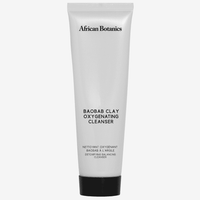
African Botanics Baobab Clay Oxygenating Cleanser Face | Botā natural skincare.
Editor's Pick Baobab Clay Oxygenating Cleanser
African Botanics Baobab Clay Oxygenating Cleanser Face | Botā natural skincare.

Your cleanser is the foundation of your routine. The wrong one strips the barrier and undoes every serum after it. The right one makes every other product work better.

Best non-toxic cleansers for sensitive skin

Sensitive skin needs the gentlest formulations — cream, milk or oil-based cleansers, all fragrance-free, no foaming sulphates.

What to look for:

+ A cream, milk or balm texture rather than a high-foaming gel — these clean without stripping.
+ Centella asiatica, chamomile, oat extract or beta-glucan to calm skin that flushes and reacts easily.
+ A no-rinse milk or micellar option for the most reactive skin, or on the days when everything stings.
+ Fragrance-free and essential-oil-free throughout — the most common triggers for sensitive skin.

A note on diagnoses: rosacea and eczema are medical, so they belong with your doctor or dermatologist. A gentle cleanser can sit alongside the routine they give you, but it is not a substitute for it.

Key ingredients to look for: centella asiatica, panthenol (B5), allantoin, oat extract, chamomile, beta-glucan, ceramides.

Avoid for sensitive skin: foaming sulphate cleansers, fragrance, essential oils, salicylic acid above 1%, glycolic acid in cleansers.

Botā's face-cleanser edit is vetted against The Clean Standard, so the sensitive-skin options are already screened for these criteria — a faster route than decoding every label yourself.
Did You Know?
Look for plant-based surfactants (coco-glucoside, decyl glucoside) instead of sulphates. They cleanse just as effectively without stripping the skin's natural lipid layer.

Best non-toxic cleansers for oily and acne-prone skin
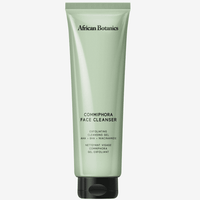
Oily and acne-prone skin needs effective cleansing without stripping — stripping creates rebound oil production. Look for gentle gel or light cleansers with plant-based surfactants and targeted actives.

What to look for:

+ A lightweight gel or a rinse-off cleansing oil that removes excess sebum without triggering more.
+ Willow bark (a natural source of salicylic acid) or low-percentage salicylic acid to keep pores clear.
+ Niacinamide or zinc PCA to regulate oil and calm congestion.
+ A barrier-supporting base — even oily skin can be barrier-compromised, and stripping makes breakouts worse.

Key ingredients: niacinamide, zinc PCA, willow bark, tea tree (in low concentrations), green tea, salicylic acid (1–2%).

Avoid for oily/acne-prone: heavy oils with high comedogenic ratings (coconut oil), petroleum-derived ingredients, fragrance, and ironically, anything labelled "deep cleansing" or "clarifying" — these are typically sulphate-heavy.
African Botanics Commiphora Natural Face Cleanser Face | Botā natural skincare.
Editor's Pick Commiphora Natural Face Cleanser
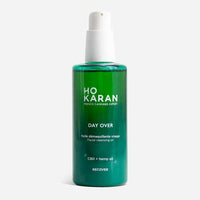
Ho Karan Day Over CBD Cleansing Oil Face | Botā natural skincare.
Editor's Pick Day Over CBD Cleansing Oil
African Botanics Commiphora Natural Face Cleanser Face | Botā natural skincare.
Organic face cleanser - Botā

Best non-toxic cleansers for dry and mature skin

Dry and mature skin needs cleansers that replenish lipids while they cleanse — cream cleansers, cleansing balms and milks are ideal.

What to look for:

+ An oil- or balm-based first cleanse that doubles as a moisture treatment while removing SPF and makeup.

+ A creamy cleanser that hydrates as it cleans — look for marula, baobab or sweet almond oil and ceramides.

+ Hyaluronic acid or glycerin in a cream-gel hybrid for ongoing hydration.

+ A plant-oil-based lotion or milk for a simple, affordable daily option.

Key ingredients: hyaluronic acid, glycerin, squalane, shea butter, marula oil, baobab oil, ceramides, sweet almond oil.

Double cleansing is particularly beneficial for dry/mature skin: oil cleanser first to remove SPF and makeup, cream cleanser second to clean the skin. Reduces irritation and provides extra lipid replenishment.

How to use a non-toxic cleanser correctly

Even the best cleanser fails if you use it wrong. The technique matters as much as the product.

1 - Wash hands first. Dirty fingers cause more breakouts than dirty skin does.

2 - Use lukewarm water — never hot. Hot water strips lipids and leaves skin looking flushed.

3 - Apply a small amount of cleanser to damp skin. A pea-sized amount is plenty for most products.

4 - Massage for 30 to 60 seconds with the pads of your fingertips. Don't scrub or rub.

5 - Rinse thoroughly. Leftover cleanser residue is a leading cause of post-cleanse breakouts.

6 - Pat — don't rub — dry with a soft towel. Leave skin slightly damp for next steps.

7 - Move immediately to your next skincare step. Within 60 seconds of patting dry, before the skin loses moisture.

Frequency:
+ Morning: cream or milk cleanser. Or just water for sensitive/dry skin.

+ Evening: double cleanse (oil cleanser + cream cleanser) if you wore SPF, makeup, or had heavy pollution exposure. Single cleanse otherwise.

+ Post-workout: a quick cleanse with lukewarm water and a gentle gel cleanser.

Avoid: over-cleansing (more than 2x daily for most skin types), cleansing with hot water, scrubbing physically, using harsh exfoliating tools daily.

How to spot greenwashing in cleanser marketing

The non-toxic cleanser market is full of greenwashing. Red flags to watch for:

+ Vague claims like "natural", "pure" or "clean" without specific certifications.

+ "Free from" lists that highlight ingredients that wouldn't be there anyway.

+ Green leaf imagery on plastic packaging.

+ "Dermatologist-tested" without specifying tested for WHAT.

+ Long ingredient lists with botanical-sounding names hiding chemistry-textbook ingredients.

+ Brands selling in markets that require animal testing (most large beauty conglomerates).

+ "Hypoallergenic" without specific testing data.

Verifiable signs of genuine non-toxic formulation:

+ Full INCI ingredient list on packaging AND website.

+ Independent certifications: ECOCERT, COSMOS, Soil Association, Leaping Bunny, MADE SAFE, EWG Verified, Vegan Society.

+ Clear pH stated on bottle or website (5.5 is ideal).

+ Recyclable glass, aluminium, or refillable packaging.

+ Brand publishes manufacturing country, supply chain details, sustainability reports.

+ Short ingredient list (under 25 ingredients is typical for non-toxic cleansers).

Free tools to verify any cleanser before buying: EWG Skin Deep database, Yuka app, INCIDecoder.com. These let you scan or paste ingredient lists and get an independent assessment of any specific product.
FAQ

Frequently Asked Questions

It depends on your skin type. Sensitive skin does best with a fragrance-free cream, milk or balm cleanser; oily and acne-prone skin with a light gel or rinse-off cleansing oil with willow bark or niacinamide; dry and mature skin with a lipid-replenishing cream or balm cleanser. Whatever the texture, look for sulphate-free, fragrance-free, paraben-free formulas built on gentle plant-based surfactants. Botā's face-cleanser collection is vetted against The Clean Standard to make the shortlist easier.

Sulphates (SLS, SLES), synthetic fragrance and parfum, parabens, phthalates, formaldehyde-releasers, denatured alcohol high in the list, and aggressive AHAs/BHAs. These can strip or irritate the skin barrier.

Usually not — one good non-toxic cleanser twice daily is enough. If you wear SPF and makeup, double-cleanse in the evening (an oil or balm cleanser to remove them, then a cream cleanser). In the morning, the same cream cleanser or just water suits sensitive skin.

For most skin, yes. Sulphates create the squeaky-clean feel by stripping the skin's natural oils, which can weaken the barrier over time. Plant-based surfactants like coco-glucoside cleanse effectively without that stripping — gentler on sensitive and barrier-compromised skin.

Read the INCI ingredient list and check for: sulphates (SLS, SLES), parfum/fragrance, parabens, phthalates, oxybenzone, denatured alcohol, formaldehyde-releasers. If none of these appear, and you see independent certifications (ECOCERT, COSMOS, Leaping Bunny) on the packaging, you've got a genuine non-toxic cleanser.

Recommended in the evening if you wear SPF or makeup. The first cleanse (oil or balm) breaks down the SPF/makeup; the second cleanse (cream or gel) cleans the skin underneath. For skin that doesn't see SPF or makeup, single cleansing is fine. Morning double-cleansing is rarely necessary and can over-strip.

Final Thoughts

Your non-toxic cleanser shortlist

A non-toxic face cleanser is the most leveraged change you can make in your skincare routine. It sets the foundation for everything else, supports your skin barrier, and removes the daily chemical exposure of sulphates and synthetic fragrance. The right cleanser for your skin type (sensitive, oily, dry, combination) costs the same as a conventional one and dramatically improves how the rest of your routine performs.

Start with the cleanser, then upgrade the rest of your routine gradually. Pair this with our sensitive skin serum guide, our skin barrier guide, and our harmful chemicals guide for the full clean beauty switch. Three months of consistent use of a genuinely non-toxic cleanser visibly transforms reactive, sensitised or congested skin. It's the cheapest change with the biggest payoff.