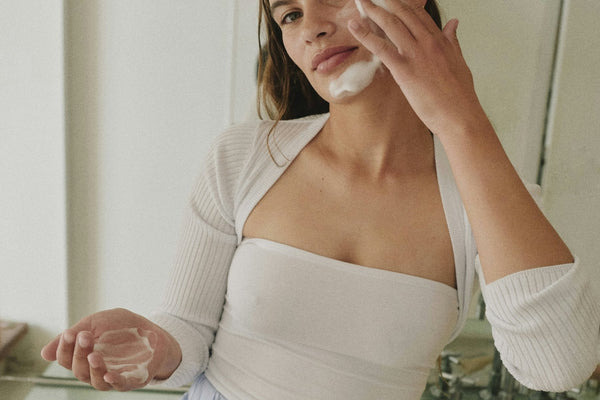

Children's Skincare: The Complete Guide to Routine, Products & Safety
The kindest children's skincare routine is mostly what you don't do. Children's skin is more delicate and more easily disrupted than adult skin, yet it needs far less than the shelves suggest — and the hard part is telling what genuinely helps from what's better left off. Here's the simple, age-appropriate routine, the few products actually worth choosing, and the safety basics every parent will want before they buy.
 8 min read
Children don't need elaborate skincare — they need three simple steps with the right products. Here's the safe, gentle routine for babies, toddlers and kids.
THE SIMPLE, SAFE KIDS' SKINCARE ROUTINE FOR BABIES, TODDLERS & TWEENS
Why children's skin is different from adult skin
Children's skin isn't just smaller adult skin — it's structurally different in ways that matter for product choice:
+ Thinner skin barrier — up to 30% thinner than adult skin until age 3, meaning ingredients absorb deeper and irritants penetrate more easily.
+ Higher surface-to-body-mass ratio — children absorb proportionally more of any topical ingredient than adults.
+ Less developed sebum production — less natural lipid protection, so skin dries out and reacts more easily.
+ Higher pH (around 6.5) until around age 12 — making the skin more vulnerable to bacterial imbalance.
+ More reactive immune response — contact dermatitis, eczema and allergic reactions are more common.
What this means in practice: anything you put on your child's skin works at higher concentration than the same product would on you, with less margin for error. This is why "adult" skincare — even gentle formulas — isn't suitable for children. Kids need products formulated for their specific skin physiology.
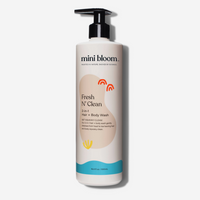


Children's skin absorbs ingredients at higher concentration than adult skin. The right formula matters more for kids than for grown-ups.
The 3-step children's skincare routine by age
0–6 months (newborns)
Nothing on the skin except plain water and a barrier-protecting balm if needed. No "baby cleansers", no lotions, no scented products. The skin's natural microbiome needs uninterrupted time to develop. Use clothing and shade for sun protection — no SPF under 6 months unless dermatologist-advised.
6 months – 3 years (babies & toddlers)
1 - Gentle, fragrance-free cream cleanser at bath time (every other night is fine; daily isn't necessary).
2 - Fragrance-free moisturiser after every bath, focusing on cheeks, elbows, knees, anywhere prone to dryness.
3 - Mineral SPF 30+ (zinc oxide only) whenever outdoors for more than 10 minutes.
4–8 years (kids)
Same routine as above, but daily cleansing becomes appropriate as kids start to get genuinely dirty/sweaty. Build the SPF habit — "sunscreen first, hat next" before going out.
9–12 years (tweens, pre-puberty)
May want to add a gentle face wash for slightly oily T-zone skin (if puberty is starting). Avoid acne products with retinol or salicylic acid above 1% — these are too harsh for pre-pubescent skin. SPF stays non-negotiable.
The routine itself matters less than the habit. Children who grow up with consistent gentle care become adults with calmer, healthier skin.
Ingredients to avoid in children's skincare
Always avoid in children's products:
+ Synthetic fragrance / parfum — the #1 cause of contact dermatitis in kids. "Unscented" is fine, "fragrance-free" is better.
+ Essential oils — even "natural" oils (lavender, tea tree, citrus) can sensitise developing skin.
+ Sulphates (SLS, SLES) — strip the skin's natural lipids, particularly damaging to children's already-thin barriers.
+ Parabens — hormonal disruptors. Particularly relevant for kids whose endocrine systems are still developing.
+ Phthalates — hidden in "fragrance". Endocrine disruptors with stronger evidence for kids than adults.
+ Oxybenzone in sunscreen — banned in several countries for kids' products. Use only mineral SPF (zinc oxide, titanium dioxide).
+ Retinol or retinoids — too harsh for any child's skin under 12.
+ Salicylic acid above 1% — reserved for adult acne, not pre-teen breakouts.
+ Talc — inhalation risk for babies.
+ Bubble bath solutions — strip barrier and can cause UTIs in young girls.
+ "Natural" products with long ingredient lists — more ingredients = more potential allergens. Look for short, recognisable ingredient lists.
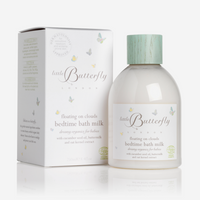
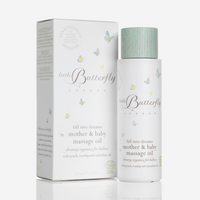


Clean skincare brands worth trusting for children
Brands that meet the clean, age-appropriate standard for kids' skincare:
+ Mini Bloom — paediatrician-developed clean baby and kids' skincare. Fragrance-free, hypoallergenic.
+ Minois Paris — French organic skincare for babies and children. Beautiful packaging, simple formulations.
+ Little Butterfly London — luxury British baby skincare, dermatologist-tested, suitable for sensitive baby skin.
+ Earth Mama — pregnancy-safe AND kids-safe lines, herbalist-formulated.
+ Babo Botanicals — fragrance-free options across the range, plant-based actives, eczema-friendly.
+ Weleda Baby — 100-year heritage in baby skincare, calendula-based gentle formulations.
+ Pipette — squalane-based baby care, fragrance-free, dermatologist-tested.
+ Tubby Todd — specifically formulated for eczema-prone kids, US-based but widely available.
For sun protection specifically: Babo Botanicals Daily Sheer SPF 40, Weleda Edelweiss SPF 30, or Thinkbaby SPF 50 — all mineral, all fragrance-free, all kid-tested.
Handling common children's skin issues
Baby eczema
Very common (affects 1 in 5 children at some point). Use fragrance-free emollient cream 2 to 3 times daily, lukewarm baths only, cotton clothing, no fabric softener. See a paediatrician if persistent or weeping.
Dry patches and rough skin
Normal in winter or after baths. Slather on a thick, fragrance-free moisturiser within 60 seconds of patting dry. Look for ceramides or shea butter.
Diaper rash
Keep dry, apply zinc oxide barrier cream at every change. If persistent or worsening, see a doctor (could be yeast infection).
Cradle cap
Gentle massage with virgin olive oil or coconut oil, soft brush, rinse. Usually resolves by age 1.
Sun damage / mild sunburn
Aloe vera gel (pure, fragrance-free), cool baths, extra moisturiser for several days. Persistent redness or blistering needs a doctor.
Pre-teen breakouts (around age 9–12)
Gentle salicylic acid wash (1% max) once daily. Avoid harsh acne products marketed at teens. Most pre-teen acne resolves with simple, consistent care.
Teaching children good skincare habits
The routine itself matters less than the habit. Children who grow up with consistent gentle care become adults with calmer, healthier skin.
+ Lead by example — your morning and evening routine becomes the model.
+ Make it brief — 30 seconds tops at this age. No elaborate "self-care moments".
+ Let them choose between two suitable products — gives them ownership without compromising quality.
+ Frame sun protection as protection, not vanity — "this is how we look after our skin in the sun".
+ Don't moralise about appearance — skincare should be about health and habit, not appearance.
+ Pause if they resist — forcing skincare creates negative associations. Try again in a few weeks.
+ Praise the habit, not the result — "good job remembering your sunscreen" not "your skin looks great".
The goal: by the time they're teenagers, sunscreen, gentle cleansing and moisturising feel as automatic as brushing teeth.
Frequently Asked Questions
Yes — a simple one. Three steps: gentle fragrance-free cleansing, daily moisturising, and mineral SPF when outdoors. That's it. No serums, no actives, no elaborate routines. The basics done consistently set up a lifetime of healthy skin.
From 6 months onwards, use mineral SPF 30+ (zinc oxide) whenever the child will be outdoors for more than 10 minutes. Under 6 months: avoid sun exposure and use clothing/shade instead. After 6 months, SPF is non-negotiable — most lifetime UV damage happens in childhood.
No — children's skin is structurally different (thinner barrier, higher pH, more reactive) and absorbs ingredients at higher concentrations than adult skin. Even "gentle" adult formulas often contain fragrances, sulphates or actives that aren't appropriate for kids. Use products specifically formulated for children's age group.
Always avoid: synthetic fragrance/parfum, essential oils, sulphates (SLS/SLES), parabens, phthalates, oxybenzone in sunscreen, retinol/retinoids, salicylic acid above 1%, and talc. These are common in mainstream "baby" products but inappropriate for developing skin.
Apply a thick fragrance-free emollient cream 2 to 3 times daily. Use lukewarm (not hot) baths. Cotton clothing, no fabric softener, and a soft, fragrance-free laundry detergent. If eczema is persistent, weeping or spreading, see a paediatrician for prescription cream.
Around age 12 to 13, when puberty begins. Add a gentle salicylic acid wash (1% max) for emerging breakouts. Avoid retinol and harsh acne products until at least 14. Keep the focus on gentle cleansing, daily SPF and consistent moisturising — the same principles, slightly upgraded products.
Healthy skin habits for life start in childhood
Children's skincare doesn't need to be complicated — it needs to be consistent, gentle and age-appropriate. Three steps (clean, moisturise, protect) with the right products give your child healthy skin now AND build the habits that protect their skin for the rest of their life. The earlier the routine starts, the more natural it becomes.
For the sun protection step that matters most, see our SPF guide. For understanding why fragrance and harsh actives don't belong on kids' skin, our sensitive skin guide explains the formulation principles. And our moisturising guide covers the basics of barrier-supporting daily care — the same principles, adapted for younger skin. Start simple, stay consistent, and the rest takes care of itself.