
The Pregnancy Skincare Routine: Trimester by Trimester
A gentle pregnancy skincare routine for each trimester, plus the months after birth. What often changes in your skin at each stage, the order to apply products, and when to talk to your midwife or doctor.
 13 min read
Pregnancy skin changes from one trimester to the next. Here is a gentle routine that changes with it, trimester by trimester, plus postpartum.
PREGNANCY SKINCARE — TRIMESTER BY TRIMESTER, PLUS POSTPARTUM
First trimester (weeks 1–12): managing the hormone surge
What's happening: pregnancy hormones rise quickly. Alongside nausea and tiredness, many women notice skin changes: more oil, breakouts, or skin that feels more sensitive than usual. Some get the much-talked-about pregnancy glow. Others see spots for the first time in years.
First trimester skin priorities:
+ Review your actives. Retinoids, including retinol, are commonly advised against in pregnancy, and stronger exfoliating acids are often left out too. If you use a prescription treatment, check with your doctor or pharmacist before you carry on or add anything new.
+ Wear sunscreen every day. Pregnancy hormones can make skin more prone to pigmentation, and sunlight can make it darker. Many people prefer a mineral sunscreen (zinc oxide or titanium dioxide) at this stage.
+ Keep breakout-prone skin calm. Niacinamide and cosmetic-strength azelaic acid are often suggested as gentler options in pregnancy. Talk them through with your midwife or doctor first.
+ Choose fragrance-free formulas. Skin that feels more sensitive may react more easily.
+ Keep skin hydrated with a hyaluronic acid serum and a ceramide moisturiser.
First trimester routine
Morning: gentle cleanser, vitamin C serum (skip it if the smell bothers you), hyaluronic acid serum, niacinamide, ceramide moisturiser, sunscreen.
Evening: gentle cleanser, niacinamide, ceramide moisturiser. If your midwife or doctor is happy with it, add cosmetic-strength azelaic acid two or three nights a week for breakout-prone skin.
Nausea tip: many women find some vitamin C serums smell unpleasant in early pregnancy. A fragrance-free formula can help, or simply pause it until you feel better.
What to skip: heavy fragrance, essential oils you have not discussed with your midwife, strong actives, and trying lots of new products at once.


Pregnancy skin rarely behaves the same way for nine months. A routine that suits the first trimester may need to change by the third, so let it adapt with you.
Second trimester (weeks 13 to 26): often the calmest stage
What's happening: for many women, nausea eases and energy returns. Skin often feels calmer in the second trimester. This is also when pigmentation, known as melasma or the pregnancy mask, may start to show on the cheeks, forehead and upper lip. Stretch marks can begin to appear as your bump grows.
Second trimester skin priorities:
+ Daily sun protection for pigmentation-prone skin. Apply a broad-spectrum sunscreen of SPF 30 or higher every morning and reapply when you are outdoors. A wide-brimmed hat helps too.
+ If you have paused retinol, you may be looking at alternatives such as bakuchiol. There is limited research on bakuchiol in pregnancy, so talk it through with your midwife or doctor before you add it.
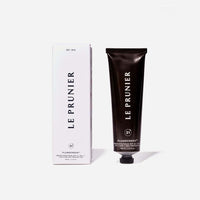
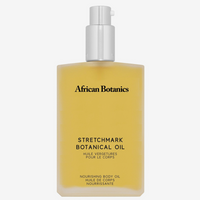
+ Start a body care habit. Massage a rich body butter or oil (shea, cocoa butter, plant oils, centella) into your bump, breasts, hips and thighs, morning and night, to keep stretching skin soft and comfortable.
+ Support the skin barrier with gentle cleansing and a ceramide moisturiser.
Second trimester routine
Morning: cream cleanser, vitamin C, hyaluronic acid, niacinamide, ceramide moisturiser, sunscreen SPF 30 or higher.
Evening: cream cleanser, hyaluronic acid, peptide serum, ceramide moisturiser, and an optional facial oil such as marula or rosehip.
Body: a rich body butter or oil morning and night on your bump, breasts, hips and thighs.
If pigmentation appears: keep up daily sunscreen, and ask your midwife or doctor whether cosmetic-strength azelaic acid two or three nights a week is right for you. Gentle care like this helps skin look more even over time. It cannot promise to make patches disappear.
The second trimester is a good time to settle into a routine you can keep.
After birth, a routine you can finish in about a minute is one you will actually do. A few steps, all soothing, all forgiving.
Third trimester (weeks 27 to 40): stretching, itching and changing skin
What's happening: your bump grows quickly and your body prepares for birth. Common skin changes include itchy skin on the bump, darker pigmentation, breakouts and tired-looking skin. Some women develop an itchy rash called polymorphic eruption of pregnancy, also known as PUPPP (pruritic urticarial papules and plaques of pregnancy).
Third trimester skin priorities:
+ Generous body care. Apply body butter or oil morning, night and after showering to keep stretching skin supple and comfortable.
+ Soothe itchy skin with rich, fragrance-free creams and colloidal oatmeal lotions. Tell your midwife or doctor straight away if itching is severe, worse at night, or on the palms of your hands or soles of your feet. It can be a sign of a liver condition called obstetric cholestasis, which needs checking.
+ Keep up daily sunscreen.
+ Prepare for breastfeeding. Some women use a nipple balm in the final weeks. Ask your midwife what she suggests.
+ Keep the face routine simple. Less is often more in the third trimester.
Third trimester routine
Morning: gentle cream cleanser, vitamin C, hyaluronic acid, niacinamide, ceramide moisturiser, sunscreen SPF 30 or higher.
Evening: cream cleanser, hyaluronic acid, peptide serum, rich ceramide moisturiser, facial oil.
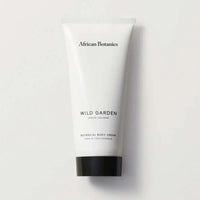
Body: a rich body butter or balm up to three times a day on your bump, hips and breasts. Swap harsh body washes for a fragrance-free shower oil.
This is often the busiest stage for skincare, and also the shortest. Keep the routine realistic, because time and energy will be scarce after birth.


Postpartum (months 0–6): recovery and adjustment
What's happening: hormone levels fall after birth. Many women notice hair shedding in the months that follow. Breakouts can return. Pigmentation may linger. Skin can feel dry or reactive. And time and energy for skincare are at an all-time low.
Postpartum skin priorities:
+ Keep it simple. A routine you can finish in about a minute is one you will actually do.
+ If you are breastfeeding, retinoids are commonly advised against. Talk to your midwife or doctor before bringing any active ingredient back.
+ Support the skin barrier with ceramides, hyaluronic acid and gentle cleansing.
+ Go easy on yourself. Rest and hydration matter more than any serum in the early months.
+ Hair shedding: this is common after birth. If you are worried, or it carries on, speak to your GP.
+ Lingering pigmentation: keep up daily sunscreen. For many women it becomes less noticeable in the months after birth, but not for everyone. A dermatologist can advise if it stays.
Postpartum routine (about a minute, twice a day)
Morning: rinse with water or use a cream cleanser, hyaluronic acid serum on damp skin, ceramide moisturiser, sunscreen.
Evening: cream cleanser, hyaluronic acid, rich ceramide moisturiser. Add a facial oil if your skin feels very dry.
That's it. A handful of soothing, forgiving steps.
When you have more time and energy
+ Niacinamide, morning and night.
+ Vitamin C in the morning.
+ Other actives, such as bakuchiol or cosmetic-strength azelaic acid, once you have checked with your midwife or doctor, especially if you are breastfeeding.
Bring retinol back only when your doctor is happy for you to, and only when you feel ready. Many mothers find that the simple routine they built after birth suits them long term.
Stretch marks in pregnancy: caring for stretching skin
Stretch marks (striae gravidarum) can appear when skin stretches quickly. They are very common in pregnancy. How likely you are to get them depends partly on things you cannot control, such as your genes and how quickly your bump grows.
What the guidance says: there is no good evidence that any cream or oil prevents stretch marks. What body care can do is keep stretching skin soft, supple and comfortable, and many women find a daily massage ritual soothing.
Gentle care that helps skin feel comfortable:
+ A daily moisturising massage from the second trimester onwards, on your bump, breasts, hips and thighs.
+ Rich body butters and oils with shea, cocoa butter, plant oils, centella or vitamin E.
+ Drinking enough water and staying gently active, as your midwife advises, for your general wellbeing.
A word on price: an expensive stretch mark cream is not necessarily better than a well-made body butter. Read the ingredient list.
After pregnancy: stretch marks usually become less noticeable over time, fading from red or purple towards a paler, silvery colour. They rarely disappear completely. If you want to discuss options once pregnancy and breastfeeding are behind you, a dermatologist can advise. Many women come to feel at ease with them.
Common pregnancy skin concerns and how to care for them
Melasma (chloasma, the pregnancy mask)
Darker patches on the cheeks, forehead or upper lip. Pregnancy hormones make them more likely and sunlight can make them darker. They are common in pregnancy.
Gentle care: a broad-spectrum sunscreen of SPF 30 or higher every day, vitamin C in the morning and, if your midwife or doctor agrees, cosmetic-strength azelaic acid at night. These help skin look more even. For many women the patches become less noticeable after birth. If they stay, a dermatologist can advise.
Pregnancy acne and breakouts
Hormonal changes can bring more oil and spots, particularly early in pregnancy and after birth.
Gentle care: mild cleansing, niacinamide and, if your midwife or doctor agrees, cosmetic-strength azelaic acid. Stronger acne actives are commonly avoided in pregnancy. If breakouts are severe or painful, see your GP or midwife. If you use a prescription treatment, check with your doctor or pharmacist before adding anything new.
Itchy belly and pregnancy rashes
Itchy, rashy patches on the bump, most common in the third trimester.
Gentle care: a rich, fragrance-free emollient cream several times a day, colloidal oatmeal lotions and cool baths. Tell your midwife straight away if itching is severe, worse at night, or on your palms or soles, as it can occasionally signal obstetric cholestasis, a liver condition that needs checking.
Varicose veins and spider veins
Pregnancy puts extra pressure on the veins in your legs. Resting with your legs raised and avoiding standing for long periods can help you feel more comfortable. Your midwife may suggest support stockings. If you are worried, speak to your GP.
Red palms
Some women notice red, warm palms during pregnancy. Mention it to your midwife so she can check.
Skin tags
Small, soft skin growths can appear during pregnancy. They are usually harmless. If one bothers you, ask your GP.
When to see your GP or midwife: severe itching, a sudden rash, painful or persistent skin changes, or any sign of infection. Most pregnancy skin changes are harmless, but trust your instinct if something feels wrong.
Frequently Asked Questions
A simple routine suits most stages. In the morning: gentle cleanser, hyaluronic acid serum, niacinamide, ceramide moisturiser and sunscreen. In the evening: cleanser, serum and moisturiser, plus any extra step your midwife or doctor is happy with. From the second trimester, add a rich body butter or oil on your bump, breasts and hips to keep stretching skin comfortable. Keep it gentle and consistent, and talk through any new product with your midwife or doctor.
Rising hormones can bring breakouts, oilier skin, extra sensitivity and sometimes a pregnancy glow. Retinoids are commonly advised against in pregnancy, so review your products. Wear sunscreen daily, keep formulas fragrance-free, and ask your midwife or doctor about gentler options such as niacinamide or cosmetic-strength azelaic acid. If you use a prescription treatment, check with your doctor or pharmacist before adding anything new.
There is no good evidence that any cream or oil prevents stretch marks, and your genes play a large part. What body care can do is keep stretching skin soft and comfortable. A daily massage with a rich body butter or oil (shea, cocoa butter, plant oils) on your bump, breasts, hips and thighs from the second trimester is a soothing ritual many women enjoy. After birth, stretch marks usually become less noticeable over time.
Daily sunscreen matters most, because sunlight can darken pregnancy pigmentation. Use a broad-spectrum SPF 30 or higher every morning and reapply outdoors. Vitamin C in the morning and, if your midwife or doctor agrees, cosmetic-strength azelaic acid a few nights a week help skin look more even. For many women the patches become less noticeable after birth. If they stay, a dermatologist can advise. If you use a prescription treatment, check with your doctor or pharmacist before adding anything new.
Stretching skin is a common cause of itching late in pregnancy, and some women develop an itchy rash called polymorphic eruption of pregnancy (PUPPP). Rich, fragrance-free emollients several times a day and colloidal oatmeal lotions can soothe the skin. However, severe itching, especially on the palms and soles or at night, can be a sign of obstetric cholestasis, a liver condition. Contact your midwife or doctor straight away if itching is severe, worse at night, or comes without a visible rash.
Keep it to about a minute: cleanser, hyaluronic acid serum, ceramide moisturiser and sunscreen in the morning. If you are breastfeeding, retinoids are commonly advised against, so check with your midwife or doctor before bringing back any active ingredient. Rest and hydration matter more than serums in the early months. Add more steps when you have the time and energy.
A pregnancy skincare routine that adapts
Good pregnancy skincare responds to change. Rather than one fixed regimen, you adjust the routine to how your skin feels at each stage. First trimester: review your actives, wear sunscreen daily and keep breakout-prone skin calm. Second trimester: protect pigmentation-prone skin from the sun and start a daily body care habit. Third trimester: generous body care, soothe itchy skin and keep the face routine simple. Postpartum: a routine of about a minute, focused on the skin barrier and sunscreen.
For more, read our pregnancy skincare ingredients guide, our retinol and pregnancy guide and our SPF guide. Every pregnancy is different. Talk through your routine, and any new product or ingredient, with your midwife or doctor, and see them straight away about anything persistent, painful or worrying, especially severe itching.