
Pregnancy-Safe Skincare? Ingredients to Avoid and Ask Your Midwife About
Pregnancy turns a simple routine into a long list of questions, and a great deal of conflicting advice. This guide sets out the skincare ingredients commonly advised against during pregnancy, the gentler ones many people choose instead, and a simple routine for melasma, breakouts, stretch marks and sensitive skin. It is general guidance, not a verdict on your pregnancy, so use it as a list to talk through with your midwife or doctor.
 11 min read
Pregnancy changes what your skin needs. Here is an ingredient guide to talk through with your midwife.
PREGNANCY SKINCARE INGREDIENTS: A GUIDE TO TALK THROUGH
Why pregnancy changes your skin
Pregnancy brings big hormonal changes, and many people notice them in their skin. The most common changes are:
+ Darker patches of pigmentation. Melasma, often called the "pregnancy mask", shows up as brown patches on the cheeks, forehead or upper lip. Sunlight is a well-known trigger.
+ More oil and breakouts. Some people get spots or breakouts during pregnancy, and again after the birth.
+ Stretching skin. The belly, breasts, hips and thighs stretch, and stretch marks are very common.
+ Dryness. Skin can feel tighter and drier than usual.
+ Sensitivity. Products you used for years may suddenly sting or feel uncomfortable.
Knowing what is happening helps you choose a routine that cares for your skin rather than working against it. For many people, a gentle, hydrating routine with daily sun protection is a calm place to start.
Pregnancy is not the time to chase fast results. It is a time for gentle, steady care: hydration, a calm skin barrier and daily sun protection.
Skincare ingredients to avoid during pregnancy: the common guidance
These are the ingredients that published guidance most often suggests pausing or checking during pregnancy and breastfeeding. Guidance varies between countries and between professionals, so always check your own products with your midwife, doctor or pharmacist.
1 - Retinoids (vitamin A derivatives such as retinol, retinal and retinyl palmitate)
Retinoids are commonly advised against in pregnancy and while breastfeeding. Many people pause them until they have finished breastfeeding.
2 - Higher-strength salicylic acid and acid peels
Low-strength salicylic acid in a wash or toner is often considered differently from strong peels. Ask your midwife or pharmacist before using either.
3 - Skin-lightening treatments
Strong skin-lightening products are commonly advised against in pregnancy. If you want to care for dark patches, ask your doctor or pharmacist what suits you.
4 - Stronger spot treatments
Some spot treatments sold in pharmacies are medicines rather than cosmetics. Ask your pharmacist before using one while pregnant.
5 - Certain chemical sunscreen filters
Some people choose to avoid chemical filters such as oxybenzone during pregnancy. Mineral filters (zinc oxide and titanium dioxide) are the usual alternative.
6 - Some essential oils
Some essential oils are commonly advised against in pregnancy, especially when used undiluted or in strong aromatherapy blends. Check any concentrated oil with your midwife.
If you use a prescription treatment, check with your doctor or pharmacist before adding anything new, and before stopping anything they have prescribed.
Daily sun protection is one of the simplest steps in pregnancy skincare. Sunlight is a well-known trigger for melasma, so SPF helps protect skin from the exposure that can make dark patches look darker.
Gentler ingredients many people choose during pregnancy
These ingredients are not usually on the lists of things to avoid, and many people use them during pregnancy. That is not a safety verdict for your pregnancy, so please check any product with your midwife or doctor.
1 - Bakuchiol. A plant-derived ingredient often suggested as a gentler alternative to retinol. It helps smooth the look of fine lines and even the look of skin tone. Research on bakuchiol in pregnancy is limited, so talk it through first.
2 - Hyaluronic acid. Draws water into the skin and helps dry skin feel plumper and more comfortable.
3 - Niacinamide. Helps skin look more even and feel calmer, and helps balance the look of oily skin.
4 - Vitamin C. Helps skin look brighter and gives antioxidant care in the morning, under your SPF.
5 - Azelaic acid at cosmetic strength. Helps skin look more even and is gentle on breakout-prone skin.
6 - Low-strength lactic acid. A gentle exfoliating acid that helps skin look smoother.
7 - Centella asiatica (cica). Soothes and calms skin that feels sensitive or looks red.
8 - Peptides. Help skin look firmer and smoother.
9 - Mineral SPF (zinc oxide or titanium dioxide). Daily sun protection helps protect skin from the sunlight that can make melasma look darker.
10 - Plant oils (rosehip, marula, jojoba, sweet almond). Nourish dry skin and help it feel soft.
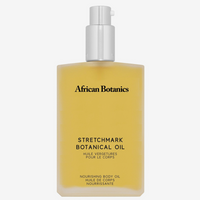
For stretch marks: shea butter, cocoa butter, plant oils and centella are popular choices. No cream or oil can promise to prevent stretch marks, because genes and how quickly skin stretches play a large part. A rich balm or oil massaged in daily keeps skin nourished and more comfortable as it stretches.
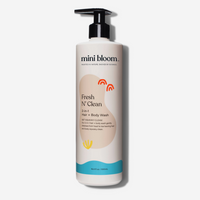
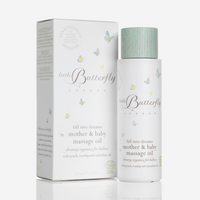


Gentle options for common pregnancy skin concerns
If you want to care for fine lines
+ Many people swap retinol for bakuchiol. Ask your midwife first.
+ A peptide serum helps skin look smoother.
+ Vitamin C in the morning for brightness and antioxidant care.
+ Mineral SPF 30 or higher every morning.
If you have pregnancy melasma (the pregnancy mask)
+ Mineral SPF 30 or higher every day, reapplied when you are outdoors. Sunlight is a well-known trigger for melasma.
+ A hat and shade on bright days.
+ Vitamin C in the morning and cosmetic-strength azelaic acid at night help skin look more even.
+ Melasma often fades after pregnancy, but it can linger. If it bothers you, ask your doctor or a dermatologist.
If you have breakouts
+ A gentle cleanser morning and night.
+ Niacinamide and cosmetic-strength azelaic acid for a calmer look.
+ Gentle exfoliation with low-strength lactic acid once or twice a week.
+ Light, non-comedogenic textures such as rosehip or hemp oil rather than heavy creams.
If your skin feels dry
+ Hyaluronic acid serum on damp skin, morning and night.
+ A rich ceramide moisturiser.
+ A plant oil at night (marula, sweet almond or jojoba).
+ A cream or oil cleanser rather than a foaming one, which can leave skin feeling tight.
For sun protection
+ Many people choose mineral filters (zinc oxide, titanium dioxide) during pregnancy.
A simple pregnancy skincare routine
Pregnancy is a good time to simplify. Five steps, morning and evening. Show this list to your midwife if you are unsure about any step.
Morning
1 - Gentle, fragrance-free cream or oil cleanser.
2 - Vitamin C serum. Choose a gentler form if your skin is sensitive.
3 - Hyaluronic acid serum on damp skin.
4 - Ceramide moisturiser.
5 - Mineral SPF 30 or higher. Reapply every two hours when you are outdoors.
Evening
1 - Gentle cleanser. Cleanse twice if you wore SPF or make-up.
2 - Niacinamide serum.
3 - Bakuchiol, if your midwife is happy with it, on alternate nights to start.
4 - A centella or panthenol serum on the other nights.
5 - Rich ceramide moisturiser, with a facial oil on top if you like.
For melasma: add cosmetic-strength azelaic acid two or three nights a week.
For breakouts: use cosmetic-strength azelaic acid instead of bakuchiol.
For stretch marks: massage a rich body oil or butter into the belly, breasts, hips and thighs once or twice a day.
Keep the routine simple and steady. Pregnancy is not the time to try lots of new products at once. Focus on comfort, hydration and daily sun protection.
What changes in the postpartum period
The months after birth bring their own skin and hair changes:
+ Postpartum hair shedding. Many people notice more hair falling out in the months after birth. It is common and often temporary. If you are worried, or it does not settle, speak to your GP.
+ Postpartum breakouts. Hormones shift again after the birth, and some people get new spots.
+ Lingering melasma. Pregnancy melasma often fades after the birth, but for some people it stays. A doctor or dermatologist can talk you through options.
+ Sensitivity. Skin can stay sensitive for a while, especially while breastfeeding.
+ Tired skin and less time. With a new baby, a short routine you can actually keep up is better than a long one.
If you are breastfeeding
Retinoids are commonly advised against while breastfeeding as well as in pregnancy. Guidance on other ingredients varies, so check each product with your midwife, health visitor, GP or pharmacist.
In the postpartum months, focus on gentle cleansing, hydration, sun protection and rest where you can. Your skin needs steady, gentle care while your body recovers.
Frequently Asked Questions
Published guidance most often suggests pausing retinoids (such as retinol and retinal), strong acid peels and higher-strength salicylic acid, strong skin-lightening products, and some essential oils. Some people also choose to avoid chemical sunscreen filters such as oxybenzone. Guidance varies, so talk it through with your midwife or doctor. If you use a prescription treatment, check with your doctor or pharmacist before changing anything.
Retinol and other retinoids are commonly advised against during pregnancy and breastfeeding, and many people pause them until they have finished breastfeeding. Bakuchiol is often suggested as a gentler plant-derived alternative that helps smooth the look of fine lines. Research on bakuchiol in pregnancy is limited, so talk it through with your midwife or doctor first.
Vitamin C is not usually on the lists of ingredients to avoid, and many people keep using it during pregnancy. We cannot give a verdict for your pregnancy, so check your product with your midwife or doctor. In the morning, under SPF, vitamin C helps skin look brighter and gives antioxidant care. If your skin feels sensitive, a gentler form of vitamin C may feel more comfortable.
Daily mineral SPF 30 or higher is the first step, because sunlight is a well-known trigger for melasma. At night, cosmetic-strength azelaic acid helps skin look more even, and vitamin C in the morning helps skin look brighter. Strong skin-lightening products are commonly advised against in pregnancy. Melasma often fades after the birth, but if it lingers or worries you, see your doctor or a dermatologist.
Guidance often treats low-strength salicylic acid in a wash or toner differently from strong peels, which are commonly advised against. Because advice varies, ask your midwife or pharmacist about your product. For breakout-prone skin, many people choose cosmetic-strength azelaic acid and niacinamide for a calmer look.
Bakuchiol is the ingredient most often suggested instead of retinol. It comes from the babchi plant and helps smooth the look of fine lines and even the look of skin tone. Used with peptides and morning vitamin C, it makes a gentle routine for skin that is changing. Research on bakuchiol in pregnancy is limited, so talk it through with your midwife or doctor before you start.
A calm, simple approach to pregnancy skincare
Pregnancy skincare is more about taking things away than adding them. The common guidance is to pause retinoids, choose mineral sun protection, and set aside strong peels and skin-lightening products. A simple routine of gentle cleansing, hydration, daily SPF and one gentle active, such as bakuchiol or cosmetic-strength azelaic acid, can care for your skin through each trimester and into the postpartum months.
Pair this guide with our skin barrier guide, SPF guide and sensitive skin serum guide for more gentle, everyday care.
This guide is general information, not medical advice. Please talk through any product with your midwife or doctor, and see them about any skin change that is persistent, painful or worrying.