

What Is the Skin Barrier (and Why It Matters More Than Any Serum)
The skin barrier is the most important — and most overlooked — concept in skincare. Learn what it is, the signs it's damaged, and the 4-week repair protocol that resets reactive skin without adding another expensive serum.
 11 min read
Most "sensitive skin" is actually damaged skin barrier — and the fix is simpler than another expensive serum. Here's how to identify it and rebuild it in 4 weeks.
THE FOUNDATION EVERY SKINCARE ROUTINE SHOULD START WITH
What the skin barrier actually is
The skin barrier (technically the stratum corneum, the outermost layer of the epidermis) is a wall built from two things: skin cells (corneocytes) and the lipid mortar between them (ceramides, cholesterol and fatty acids). Picture a brick wall — the bricks are the skin cells, the mortar is the lipid layer.
This wall does two opposite jobs at the same time:
+ It keeps water IN. Without an intact barrier, water evaporates from the deeper layers of the skin faster than the body can replace it. The result is the tight, dehydrated, "lined-looking" skin most people associate with dry skin type.
+ It keeps irritants, microbes and environmental damage OUT. UV, pollution, fragrance, alcohol, bacteria and even temperature changes can't fully penetrate a healthy barrier. When the barrier breaks, all of that gets through — and the skin reacts.
A healthy skin barrier also maintains an acidic pH around 5.5 (the "acid mantle"), which keeps the skin's microbiome in balance. Disrupt that pH — with hot water, harsh foaming cleansers or too much acid — and the balance shifts, which is usually when skin starts to feel reactive and unsettled. Conditions such as eczema and perioral dermatitis are medical diagnoses, so they belong with your doctor rather than a skincare guide.
In short: every other skincare ingredient you use — your vitamin C, your retinol, your peptides — works better on intact, healthy skin. The barrier is the foundation. Without it, your routine is leaking water and letting irritants in.
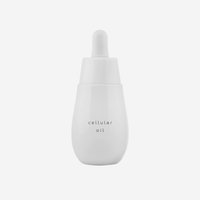
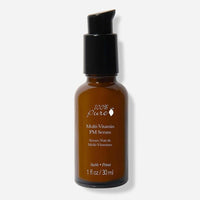


Most "sensitive skin" isn't permanent — it's a damaged barrier that rebuilds in 4 to 8 weeks. The fix is simpler (and cheaper) than another serum.
Signs your skin barrier is damaged (it's more common than you think)
Damaged barrier shows up as one or several of these:
+ Tightness — skin feels tight even after moisturising, especially after washing.
+ Stinging or burning — your usual products suddenly sting on application. This is the #1 sign your barrier is compromised.
+ Redness or flushing — persistent pink/red patches, often on the cheeks, that don't respond to calming products.
+ Flaking or rough patches — small flakes around the nose, mouth or jawline that pile up under makeup.
+ Sudden breakouts in unusual places — perioral or jawline breakouts that weren't there before.
+ Increased sensitivity to weather — wind, cold, central heating all make things worse than they used to.
+ Itchiness without visible rash — a sign the barrier is letting more through than it should.
+ Products "not working anymore" — a serum or moisturiser that used to feel fine now feels heavy, pilly or irritating.
If three or more of these sound familiar, you're not "sensitive skin" forever — you have a damaged barrier that needs 4 to 8 weeks of focused, gentle care.
Ceramides, panthenol, niacinamide and a barrier-repair moisturiser — applied morning and night for 4 weeks — outperform any "miracle" serum for sensitive, reactive or damaged skin.
The 7 habits that quietly destroy your skin barrier
Most barrier damage isn't from one big mistake — it's from small daily habits compounding over months:
1 - Over-exfoliating
The single biggest cause of barrier damage in 2026. Acids, retinols and physical scrubs used too often strip the lipid layer faster than the skin can replace it. Cap acid use at 2–3 nights a week, retinol at 2–4 nights, and skip physical scrubs entirely on facial skin.
2 - Hot water on the face
Hot showers and steaming hot water dissolve the lipid mortar. Use lukewarm water for cleansing — cool is even better.
3 - Foaming sulphate cleansers
SLS and SLES strip the barrier with every wash. Switch to a gentle, pH-balanced, fragrance-free cream or oil cleanser.
4 - Fragrance and essential oils
The single most common cause of contact irritation. "Fragranced" or "parfum" is often hiding a long list of allergens. Pure essential oils — even "natural" ones like lavender or tea tree — are potent skin irritants in everyday use.
5 - Layering too many actives
Vitamin C + AHA + retinol + benzoyl peroxide in the same routine is the fastest route to barrier collapse. Limit yourself to two actives, alternate them on different days, and only add more after 4 weeks of clear, calm skin.
6 - Skipping moisturiser
Skin that's left dry often looks oilier within days, and the barrier stays exposed in the meantime. Even oily skin needs daily moisturiser.
7 - Not wearing SPF daily
UV is a direct cause of barrier damage. Daily broad-spectrum SPF 30+ is barrier protection as much as it is anti-ageing protection.
The cumulative effect of these habits over 6 to 12 months is barrier breakdown — even in skin that was perfectly happy before.
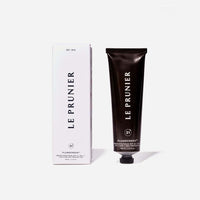
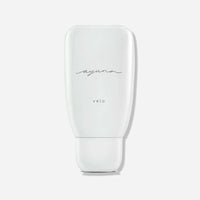


The ingredients that actually support your skin barrier
The barrier is built from a short list of lipids — and those same ingredients are exactly what you want sitting on top of it. Look for these in your cleanser, serum and moisturiser:
+ Ceramides — the actual lipid mortar of your barrier, and the headline ingredient in every good barrier cream. Look for serums and creams with 3 or more ceramide types (ceramide NP, AP, EOP).
+ Cholesterol — the second lipid in the barrier "mortar". Often paired with ceramides, because the two work best in ratio rather than alone.
+ Fatty acids (linoleic, oleic) — the third structural lipid. Found in plant oils like rosehip, hemp seed and sunflower.
+ Niacinamide (5%) — supports the barrier's own lipids, calms the look of redness and evens tone. Tolerated by the vast majority of skin types.
+ Panthenol (vitamin B5) — the underrated barrier soother. Comforts on contact, and used daily leaves skin feeling far less fragile over a few weeks.
+ Centella asiatica (cica) and madecassoside — botanicals that visibly calm redness within hours, and the classic companions to a barrier-first routine.
+ Hyaluronic acid — pulls water into the skin so the barrier has something to hold on to. Best applied to damp skin.
+ Squalane — a skin-identical lipid that mirrors the barrier's own sebum. Suits even oily skin.
+ Zinc PCA — calming, barrier-supporting, and useful for keeping excess shine in check.
+ Oat extract (colloidal oatmeal) — one of the oldest and gentlest soothing ingredients there is. Reactive skin tends to feel calmer within days.
Avoid (during the calm phase): fragrance, essential oils, denatured alcohol, AHAs, retinol, physical scrubs, foaming sulphates. Everything that strips needs to pause while the barrier settles.
The 4-week skin barrier repair protocol
The shortest, simplest, most effective barrier repair routine is also the most boring. Stick to it for 4 weeks and reassess.
Morning
1 - Rinse with lukewarm water or use a non-foaming cream cleanser.
2 - Apply a hyaluronic acid serum to damp skin (no actives, no acids).
3 - Layer a ceramide-rich moisturiser.
4 - Finish with mineral SPF 30+ (zinc oxide or titanium dioxide).
Evening
1 - Cream or oil cleanser, lukewarm rinse.
2 - Apply 5% niacinamide serum on damp skin.
3 - Centella or panthenol serum (alternating with the niacinamide on different nights).
4 - Rich ceramide-based barrier-repair moisturiser.
5 - Optional: 2–3 drops of squalane oil to seal in moisture.
Weekly (week 1–2)
Nothing extra. The barrier needs uninterrupted calm to rebuild.
Weekly (week 3–4)
A gentle enzyme exfoliant once a week (no acids, no scrubs).
After week 4
Reintroduce one active at a time — start with a low-strength vitamin C (5% sodium ascorbyl phosphate), then add retinaldehyde 0.05% twice a week. Wait 4 weeks between additions.
If symptoms haven't improved by week 4, the routine isn't the problem — see a dermatologist to rule out rosacea, perioral dermatitis or contact allergy.
How to keep your skin barrier strong long-term
Once the barrier is settled, keep it that way with these daily habits:
+ Cap exfoliation at 2–3 acid nights a week max. Build in regular "rest" weeks.
+ Use SPF daily — barrier protection, not just anti-ageing.
+ Pick fragrance-free moisturisers and cleansers as your defaults.
+ Sleep on a silk or satin pillowcase to reduce friction overnight.
+ Avoid super-hot showers; finish with a cool rinse on the face.
+ Drink enough water — skin looks and feels its best when you're properly hydrated.
+ Many people notice their skin looks steadier when they cut back on sugar and alcohol and eat more omega-3. Worth testing on yourself rather than taking as a rule.
+ Take periodic "skin diet" weeks every 2 to 3 months: strip the routine to cleanser, ceramide moisturiser and SPF for 7 days. Resets any creeping over-use of actives.
A well-kept barrier looks like calm, even, hydrated skin that tolerates new products without reacting. That's the baseline every other skincare goal — brightening, anti-ageing, even tone — is built on.
Frequently Asked Questions
The skin barrier (stratum corneum) is the outermost layer of the skin. It's made of skin cells held together by lipids (ceramides, cholesterol, fatty acids). Its job is to keep water in and irritants out.
Common signs: tightness after washing, stinging from products you used to tolerate, persistent redness or flushing, flaking, increased sensitivity to weather, sudden breakouts, or itchiness without rash.
Most damaged barriers rebuild in 4 to 8 weeks with a calm, ceramide-focused routine. Severely damaged barriers (from over-exfoliation, harsh retinoids or chronic irritation) can take 3 months. The first sign of recovery is reduced stinging within 2 weeks.
Yes — over-exfoliation is the #1 cause of barrier damage. Acids (AHA/BHA), retinol and physical scrubs strip the lipid layer faster than the skin can rebuild it. Cap acid use at 2–3 nights per week and skip physical scrubs on facial skin entirely.
During the repair phase (4–8 weeks): avoid fragrance and parfum, essential oils, denatured alcohol, AHA/BHA acids, retinol, benzoyl peroxide, physical scrubs and foaming sulphate cleansers.
Yes — more than ever. UV is a direct cause of barrier damage. Use a fragrance-free mineral SPF 30+ with zinc oxide every morning. Chemical SPFs can sting reactive skin during the repair phase; mineral is gentler and starts working immediately.
The skin barrier does two opposite jobs at once — it keeps water in (preventing dehydration and tightness) and keeps irritants, microbes, UV and pollution out. It also maintains the skin's slightly acidic pH (around 5.5), which keeps the microbiome balanced.
The barrier-first approach to healthier skin
The skin barrier is the single most important — and most overlooked — concept in skincare. When it's intact, every other ingredient works harder. When it's damaged, no amount of serum or treatment can compensate. The fix is simple: a calm routine of ceramides, niacinamide, panthenol and barrier-supporting moisturisers, sustained for 4 to 8 weeks, with SPF every morning.
Pair this with our sensitive skin serum guide for the full repair routine, our moisturising guide for daily care, and our SPF guide for the protection that keeps the barrier strong. Healthy skin isn't about more products — it's about the right ones, applied consistently, on top of an intact barrier.