

How to Use Facial Oils: A Complete Guide for Hydrated, Glowing Skin
The 'oil makes you oily' myth has cost a lot of people the single most effective step in barrier care. Used correctly, a facial oil helps balance skin rather than overload it — the trick is matching the oil to your skin type. This guide covers which facial oil suits which skin (yes, including oily and acne-prone), the right application order, and the layering that doubles the effect.
 11 min read
The one natural ingredient that's replacing entire skincare routines.
WATER FIRST, OIL SECOND, ALWAYS
What facial oil actually does for your skin
Facial oil is the final occlusive layer in a skincare routine. It does three things at once:
+ Locks in everything you've just applied. Without an occlusive seal, water-based serums and moisturisers evaporate from the skin within minutes. A few drops of facial oil traps them in.
+ Replenishes the skin's lipid barrier. As we age (or over-exfoliate) the natural lipids that hold the skin barrier together deplete. Facial oils — especially those rich in linoleic acid, ceramides and squalane — top up the lipid layer.
+ Adds antioxidant protection. Cold-pressed plant oils deliver natural vitamin E, polyphenols and omega fatty acids that neutralise free radicals from UV, pollution and blue light.
The result is plumper, softer, more luminous skin with a visible "glow" that no water-based moisturiser alone can deliver. For mature skin, the lipid-replenishing effect alone makes facial oil the single highest-impact addition to a routine.
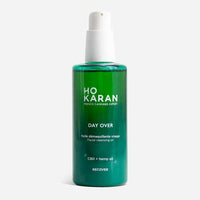
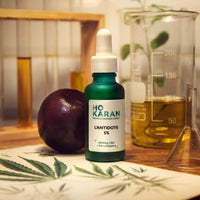


Apply facial oil AFTER your water-based products, not before. Oil blocks water from penetrating; water under oil locks in deep hydration. The order matters more than the product.
The right facial oil for your skin type
Oily and acne-prone skin
Yes, you can use facial oil — in fact, the right one balances oil production. Look for high-linoleic-acid oils: rosehip, hemp seed, jojoba, grapeseed. Avoid coconut oil (high comedogenic rating).
Dry or mature skin
Richer oils with omega-9: argan, marula, sweet almond, avocado. Layer 4 to 5 drops at night for the lipid-replenishing effect.
Sensitive or reactive skin
Squalane (sugarcane-derived) is the gold standard — closest molecular match to the skin's natural lipid. Add jojoba or oat oil for soothing.
Combination skin
Lightweight, fast-absorbing oils: jojoba, squalane, rosehip. Apply only where needed (cheeks, around the eyes, neck), not on the T-zone if it's already oily.
Normal skin
Almost any well-formulated plant oil works. Rotate between rosehip (brightening), argan (anti-ageing), and squalane (hydrating) by season.
Look for cold-pressed, organic, single-ingredient oils where possible — fragrance-free, no synthetic additives.
Three to five drops is enough for the whole face. More just sits on the surface and causes pilling under SPF or makeup.
How to apply facial oil — the step-by-step technique
1 - Cleanse and apply your water-based products first — toner, hyaluronic acid, vitamin C, niacinamide. Oil goes on AFTER water-based products, never before. Oil blocks water from penetrating; water under oil locks in deep hydration.
2 - Apply moisturiser. The water content needs to be in the skin before you seal it with oil.
3 - Warm 3 to 5 drops of facial oil between your palms. Warming the oil thins it slightly and prepares it for absorption.
4 - Press into slightly damp skin with your palms. Press, don't rub. Cover the face, neck and décolleté with light upward motions from the centre outward.
5 - Wait 1 to 2 minutes for absorption before the next step. This prevents pilling under SPF or makeup.
6 - Apply SPF over the oil in the morning. Never replace SPF with oil — they do different jobs.
7 - Skip makeup primer when using facial oil under foundation. The oil acts as a natural primer if you've waited long enough between layers.
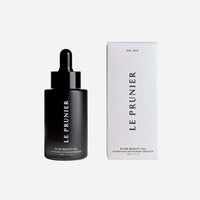


When to use facial oil — morning vs evening
Morning
Use 2 to 3 drops of a lightweight oil (squalane, jojoba, rosehip) AFTER moisturiser, BEFORE SPF. The oil seals in your morning serums and adds antioxidant protection through the day. Skip the morning oil if you're going somewhere very humid — your skin won't need it.
Evening
Use 4 to 5 drops of a richer oil (argan, marula, avocado or a blend) as the final step. Night is when the lipid-replenishing effect really compounds — skin repairs and regenerates between 10pm and 2am, and the oil supports that process.
Weekly intensive (optional)
Once a week, apply a generous amount (8 to 10 drops) as an overnight "oil mask" — perfect for dehydrated, winter-stressed or post-travel skin. Use a satin pillowcase to prevent product loss.
Most skin types benefit from oil twice daily; oily and combination types do well with night-only application.
Common facial oil mistakes that flatten your results
+ Applying oil first. Oil blocks water-based serums from penetrating. Always apply water-based products first; oil last (or second-to-last before SPF).
+ Using too much. 3 to 5 drops is enough for the whole face. More just sits on the surface and causes pilling.
+ Skipping moisturiser because you're using oil. Oil seals moisture in — if there's no water to seal, the effect is much weaker. Always apply over a hydrating product.
+ Using oil instead of SPF. Oil does NOT provide UV protection. SPF goes last in the morning. Some oils (like bergamot, citrus) are actually photosensitising — use those at night only.
+ Skipping facial oil if you're acne-prone. The right oil (high linoleic acid, low comedogenic rating) actually balances oil production. Skipping it can make sebum worse.
+ Buying oils in clear bottles. Plant oils oxidise in light. Look for dark glass amber or violet bottles.
+ Using essential oils or fragranced facial oils. Pure essential oils are too potent for daily face use and trigger irritation. Stick to single-ingredient or fragrance-free blends.
The best facial oil ingredients to look for
+ Squalane — the gold-standard skin-identical lipid. Suits all skin types, even oily.
+ Rosehip oil — high in vitamin A and linoleic acid. Brightens, evens tone, fades pigmentation. Suits all skin types.
+ Argan oil — omega-9 rich, anti-ageing, deeply nourishing. Best for dry and mature skin.
+ Marula oil — high in antioxidants, fast-absorbing, suits combination skin.
+ Jojoba oil — closest match to skin's natural sebum. Suits acne-prone and sensitive skin.
+ Hemp seed oil — anti-inflammatory, non-comedogenic, calms reactive skin.
+ Grapeseed oil — lightweight, high in vitamin E, good for oily skin.
+ Avocado oil — rich, deeply moisturising, best as a night oil for dry skin.
+ Sea buckthorn oil — brightening, regenerating, high in omega-7.
Avoid: mineral oil (occlusive but adds nothing), fragranced "oil blends" with added parfum, oils in clear plastic packaging (rapid oxidation).
How to best Apply Facial Oil
Using the correct technique maximises the benefits of facial oils.
Application Steps
1. Start with a cleansed face
2. Dispense 2–3 drops of oil onto your fingertips
3. Warm the oil between your hands
4. Gently press the oil onto your face and neck
5. Massage using upward strokes
Best Time to Apply Facial Oil:
Morning: Protects skin and adds natural glow
Evening: Supports overnight repair and hydration
Frequently Asked Questions
Facial oil should be applied as the last step in your skincare routine, after your serum and moisturiser. Because oil molecules are larger than water-based products, applying it last creates a protective seal that locks in all the hydration and active ingredients underneath. The only exception is if you are using a very lightweight, fast-absorbing oil — in that case, you can layer it between your serum and moisturiser. For best results, apply 2–4 drops morning and evening onto slightly damp skin.
Yes — the right facial oil can actually benefit oily and acne-prone skin. Counterintuitively, applying a lightweight, non-comedogenic oil signals to your skin that it is sufficiently moisturised, which can reduce excess sebum production over time. The key is choosing the right oil: jojoba, squalane, and rosehip oil closely mimic the skin's natural sebum and absorb without clogging pores. Avoid heavy oils such as coconut oil or shea if you are acne-prone, as these sit on the surface and can cause breakouts.
Facial oils and moisturisers serve different purposes and work best together. Moisturisers are water-based and deliver hydration directly into the skin. Facial oils are lipid-based and work primarily by forming a barrier over the skin to prevent transepidermal water loss. Using both — moisturiser first, oil second — gives you hydration and lasting protection. If you have very dry or mature skin especially, skipping the oil means your moisturiser's benefits evaporate much faster. Think of your moisturiser as a drink of water and your facial oil as the seal that keeps it there.
The best facial oil for your skin type depends on its weight and fatty acid profile. Dry and mature skin benefits from richer oils high in omega-3 and omega-6 fatty acids, such as rosehip, marula, or argan oil, which deeply nourish and support the skin barrier. Combination skin responds well to balanced oils like jojoba or sea buckthorn. Oily skin thrives with squalane or hemp seed oil, both lightweight and easily absorbed. Sensitive skin should look for fragrance-free, antioxidant-rich oils such as sea buckthorn or bakuchiol-infused blends that calm redness without irritation.
Natural facial oils offer significant anti-aging benefits by supporting the skin's lipid barrier, which thins with age. Oils rich in antioxidants — such as vitamin E in argan oil, or beta-carotene in rosehip oil — neutralise free radicals that cause collagen breakdown and accelerate visible aging. Omega fatty acids in oils like marula and rosehip help repair damaged skin cells and improve elasticity, visibly reducing fine lines over time. Regular use of facial oil in your evening routine can also improve overnight skin regeneration, leaving skin noticeably firmer, more even in tone, and more radiant with consistent use.
As a general guide: 2–3 drops for normal and combination skin, 3–4 drops for dry or mature skin, and 1–2 drops for oily skin. Warm the drops between your palms first, then gently press — do not rub — the oil into your face using upward motions. Pressing rather than rubbing ensures the oil absorbs evenly without disrupting your skin barrier or pulling at the skin. For the eye area, use just 1 drop patted gently with your ring finger, which applies the least pressure. Less is more: starting with fewer drops and building up is always better than over-application.
The facial oil protocol that actually glows
Facial oil isn’t about replacing moisturiser — it’s about sealing in everything that came before. Use 3–5 drops on damp skin, after your water-based serums, before SPF in the morning and as the final step at night. Choose the right oil for your skin type (jojoba for oily, rosehip for normal, marula for dry, squalane for sensitive), and give it two weeks before judging.
Layered properly with the right cleansing and moisturizing frequency from our moisturizing guide, facial oil takes hydration from “flat” to “dewy” and visibly plumper within a fortnight.