
Matcha Skincare: The Calm-Glow Antioxidant Ritual, Explained
Matcha has moved from the teahouse to the bathroom shelf. What the green tea polyphenol EGCG genuinely does for skin, what the hype gets wrong, whether to drink it or wear it, and how to fold it into a routine that feels like care.
 6 min read
We love a good ritual — but we love an honest one more.
THE CALM-GLOW ANTIOXIDANT
What is matcha, and why skincare noticed
Matcha is finely milled whole green tea leaf (Camellia sinensis), traditionally shade-grown before harvest. Because you consume — or apply — the whole leaf rather than a steeped infusion, matcha is an unusually concentrated source of the same compounds that make green tea interesting to skincare formulators.
The headline among those compounds is a group of plant polyphenols called catechins, and within that family, one in particular: EGCG, or epigallocatechin gallate. EGCG is the most-studied antioxidant in green tea, and it's the reason matcha belongs to the same active family as the green-tea and EGCG concentrates skincare has used for years.
This matters for the clean-living crowd because matcha ticks a lot of boxes at once: it's plant-derived, it carries a built-in wellness halo, and it slots beautifully into a slow, intentional ritual.



Think of matcha as a supporting player in your daytime defence routine — alongside SPF, never instead of it.
What the evidence supports
Let's separate the well-supported from the wishful. Here is where the research on green tea polyphenols — the active family matcha belongs to — is genuinely encouraging.
1 - Antioxidant support against environmental stress. EGCG is a potent antioxidant. In skincare terms, antioxidants help neutralise free radicals, the unstable molecules generated by UV exposure and pollution that contribute to visible ageing over time. Topical green tea polyphenols have been shown in studies to reduce markers of oxidative stress in skin.
2 - A calming, soothing feel. Green tea polyphenols are associated with soothing activity, which is why matcha tends to be chosen for redness-prone and reactive skin. This is the calm half of calm-glow — skin that looks settled rather than stressed.
3 - Support for clearer-looking, balanced skin. As an antioxidant-rich, plant-derived active, matcha is a favourite for skin that wants to look calmer and more even. With consistent use, it may help skin look clearer and feel more balanced.
4 - A more even, luminous-looking complexion. With consistent use, antioxidant-rich routines are associated with skin that simply looks brighter and more even-toned over time — the glow people are chasing. The honest framing: this is gradual and cumulative, not overnight.
Antioxidants complement sun protection. They never substitute for it — and no plant active replaces SPF.
What matcha skincare won't do
The quiet part, said plainly:
+ It's not a miracle, and it's not overnight. A single mask won't transform your skin. Antioxidant benefits are about consistency over weeks and months.
+ It doesn't replace SPF. Antioxidants complement sun protection; they don't substitute for it.
+ It doesn't replace proven actives for specific concerns. It works best as part of a considered routine, supporting a healthy skin barrier rather than overhauling it.
This honesty is the brand. Trust is the only marketing budget that compounds.


Topical or ingestible: two rituals, two jobs
A question we see constantly: do I drink it or wear it? The calm answer is that they're different rituals doing different things.
Topical matcha — masks, cleansers, serums — delivers polyphenols directly to the skin's surface, where antioxidant and soothing benefits are most relevant. This is the route with the most direct skincare logic.
Ingestible matcha — the latte, the tea — is part of overall wellbeing. Drinking matcha is a lovely daily ritual, but the skin-specific evidence is stronger and more direct for topical use. Frame the latte as wellness, not as a skincare claim.
Our take: let the morning cup be the wellness ritual, and let a topical antioxidant step be the skincare one. They rhyme beautifully, but they're not interchangeable.
Who matcha skincare suits
+ Redness-prone and reactive skin, drawn to the calming, antioxidant story. Patch-test first; reactive skin should always go slow.
+ Dull, city-tired skin — anyone wanting an antioxidant boost against daily environmental stress.
+ Clean-living minimalists who want plant-derived actives and a ritual that feels intentional.
+ Routine simplifiers — matcha plays well as one considered antioxidant step rather than a ten-product overhaul.
As always: introduce one new active at a time, patch-test, and give it a few weeks before you judge it.
How to use matcha in your routine
1 - Start gentle. A weekly matcha mask or a matcha cleanser is the easiest, lowest-commitment entry point.
2 - Make it a moment. Five quiet minutes, soft light, phone away. The ritual is part of the benefit.
3 - Layer thoughtfully. Cleanse, treat, moisturise — and finish daytime routines with SPF.
4 - Stay consistent. Antioxidant benefits reward the long, slow habit, not the one-off.
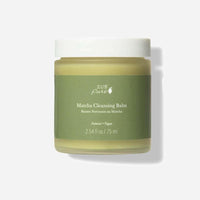
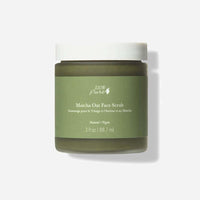
In the Botā edit, the Matcha Cleansing Balm from 100% Pure is the gentlest way in — a waterless balm that melts the day away — while the Matcha Oat Face Scrub gives you the weekly polish.
Frequently Asked Questions
Topically, matcha is a rich source of green tea polyphenols, especially EGCG, which are studied for antioxidant and soothing properties. It's a strong supporting ingredient — best as part of a consistent routine, not a standalone cure.
A matcha mask delivers antioxidant polyphenols to the skin's surface for a calming, brightening feel, and makes a lovely few-minutes ritual. Think gradual, cumulative glow rather than an instant fix.
They're different rituals. Topical matcha has the most direct skincare logic; drinking it is a lovely overall-wellbeing habit. Enjoy both — just don't expect the latte alone to do your skincare's job.
Not exactly. Both are antioxidants, but they behave differently and are studied for different things. Matcha suits skin that finds vitamin C too active; many people use one or the other rather than layering both.
A ritual worth keeping
Matcha is a supporting player, not a headline act — and that's exactly why it works. A clean, plant-derived antioxidant step, used consistently, alongside sun protection and a barrier-first routine. Calm, considered, rooted in nature. That's the whole of it.