

Niacinamide Benefits: What This Quietly Brilliant Ingredient Actually Does for Your Skin
Niacinamide sits near the top of more ingredient lists than almost any other active — and most people couldn't tell you what it actually does. A calm, evidence-led look at vitamin B3: barrier support, moisture, tone, oil balance, and how to use it well.
 8 min read
Not a miracle active — a quiet workhorse that supports your skin's own processes, gently, over weeks.
THE HONEST GUIDE TO VITAMIN B3
What is niacinamide?
Niacinamide is a form of vitamin B3 — a water-soluble vitamin your skin and body both use. In skincare, it's a small, stable molecule that absorbs easily and works at the surface and within the upper layers of the skin.
What makes it interesting is that it isn't a one-trick active. Rather than targeting a single concern, niacinamide supports several of the skin's own processes at once: how it holds moisture, how it manages oil, how evenly it's toned, and how well its protective barrier functions. That's why you'll see it described as "multifunctional" — it's genuinely doing a few jobs quietly in the background.
It's also notably gentle. Compared with many actives, niacinamide is non-irritating and well tolerated, which is part of why it appears in so many formulas aimed at sensitive and reactive skin.
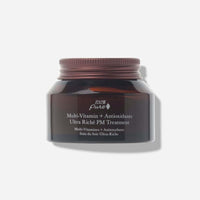
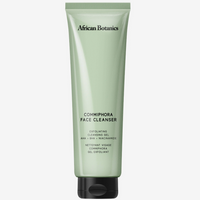


Niacinamide is a quiet workhorse, not a miracle — it supports your skin's own processes rather than overriding them.
What does niacinamide do? The main benefits
Here are the benefits with the strongest support in the literature — described as what niacinamide helps with, which is the honest way to talk about any single ingredient.
+ It supports the skin barrier. Niacinamide can help stimulate the production of ceramides — the lipids that make up part of your skin's protective barrier. A stronger barrier holds onto moisture better and is more resilient against irritants and daily stressors.
+ It helps skin hold onto moisture. By reinforcing that barrier and reducing water loss, niacinamide leaves skin feeling more hydrated, comfortable and less reactive over time.
+ It can help even out the look of tone. Niacinamide is widely valued for gradually softening the appearance of dark spots and uneven tone — a gentler, slower route than some brightening actives.
+ It helps balance oil and the look of pores. Niacinamide can help regulate the appearance of excess oil, which in turn can make pores look less prominent and skin look smoother and more refined.
+ It soothes the look of redness and blemishes. Thanks to its calming behaviour, niacinamide is a frequent choice for skin prone to visible redness or breakouts.
+ It offers antioxidant support. Niacinamide also behaves as an antioxidant, helping skin defend against the free radicals generated by everyday environmental stress.
A grounding note, in keeping with how we talk about ingredients: these are supportive benefits that build with consistent use, not overnight transformations. Skincare is a ritual, not a switch.
"Niacinamide" and "nicotinamide" are two names for the same ingredient. Niacinamide is the one you'll usually see on a label; on a French label you'll see niacinamide or vitamine B3.
Who is niacinamide for?
The short answer: almost everyone. Niacinamide's gentleness is its superpower. It's generally a good fit for:
+ Sensitive and reactive skin — because it's non-irritating and barrier-supporting.
+ Oily and combination skin — for its help balancing the look of oil and pores.
+ Blemish-prone skin — for its calming behaviour on visible redness and breakouts.
+ Skin with uneven tone or dark spots — as a gentle, gradual brightening companion.
+ Dry or dehydrated skin — because a better barrier means better moisture retention.
+ Anyone building a simple, clean routine — it's an easy, low-drama active to start with.
If your skin is highly reactive, simply introduce it slowly. As with any new active, a patch test on the inner arm is sensible, and anyone with a specific skin condition should check with a professional first.
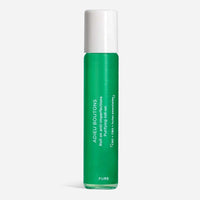
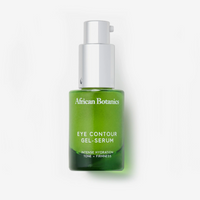


How to use niacinamide in your routine
Niacinamide is refreshingly easy to slot in.
1 - Cleanse as usual.
2 - Apply niacinamide to clean skin. In a serum, it goes on after any water-based steps and before heavier creams and oils. The rule of thumb is thinnest to thickest texture.
3 - Moisturise to seal everything in.
4 - In the morning, always finish with SPF. This is the single most important step in any tone-focused routine.
When to use it
Niacinamide is gentle enough for both morning and evening, daily.
Building up
If your skin is sensitive or new to actives, start a few times a week and build to daily as your skin gets comfortable. Slow and steady beats fast and irritated.
A note on consistency
Because niacinamide works with your skin's own processes, give it time. Several weeks of regular use is a fair window before judging results.
What to pair niacinamide with
Part of niacinamide's appeal is how sociable it is. It layers comfortably with most of your routine.
Pairs beautifully with:
+ Hyaluronic acid — a classic hydration duo; barrier support meets moisture magnet.
+ Moisturisers and ceramide-rich creams — niacinamide complements barrier care.
+ SPF — your non-negotiable daytime finish.
+ Gentle exfoliants and retinoids — niacinamide's soothing nature can make these feel more comfortable, though always introduce one new active at a time.
The vitamin C question
You may have read that niacinamide and vitamin C "cancel each other out". For most modern formulas, this is largely an outdated worry — they can be used together. That said, some people with very reactive skin prefer to keep them apart by using one in the morning and the other at night. If you'd rather not think about it, alternating is a simple, safe approach.
Common niacinamide mistakes to avoid
+ Expecting overnight results. Niacinamide is a slow, steady performer. Consistency is the active ingredient.
+ Piling on too many new actives at once. Introduce one at a time so you can tell what's working — and what isn't.
+ Skipping SPF. Any work on tone and brightness is undone by unprotected sun exposure.
+ Assuming "more is better". A well-formulated everyday concentration used consistently is what matters, not chasing the highest number on the label.
+ Forgetting the rest of the routine. Niacinamide is a brilliant team player, not a solo act. It works best inside a simple, barrier-first ritual.
Frequently Asked Questions
Niacinamide is a form of vitamin B3 that supports the skin in several ways at once: it helps strengthen the skin barrier, supports moisture retention, helps balance the look of oil and pores, gradually evens the look of tone, and offers antioxidant support. It's gentle and well tolerated, which is why it's so widely used.
Yes. Niacinamide is gentle enough for daily use, morning and evening. If your skin is sensitive or new to actives, start a few times a week and build up gradually as your skin gets comfortable.
For most modern formulas, yes — the old idea that they cancel each other out is largely outdated. If your skin is very reactive, you can simply use one in the morning and the other in the evening, or alternate days.
It's one of the better-tolerated actives for reactive skin, because it is non-irritating and works by supporting the skin barrier rather than resurfacing it. Introduce it a few times a week at first, patch test on the inner arm, and build up as your skin settles.
Give it several weeks of consistent use before judging results. Because niacinamide works with your skin's own processes rather than forcing a fast change, comfort and hydration tend to improve first, with the look of tone and pores following more gradually.
The Botā view
We like niacinamide for the same reason we like a good daily ritual: it's gentle, it's honest, and it rewards consistency rather than demanding drama. It supports your skin's own work instead of overriding it — which is exactly the kind of clean, considered skincare we believe in. Choose a well-formulated product, use it kindly and regularly, and let it do its quiet work.