
Melasma & Pregnancy Mask: Gentle Care for Pigmentation
Melasma, often called the pregnancy mask, is common during pregnancy. Here is what causes it, the everyday care that helps skin look more even, and when to talk to your doctor or a dermatologist.
 10 min read
Melasma is pigmentation driven by hormones and sunlight. Here is the gentle daily care that helps skin look more even, starting with sun protection.
A GENTLE GUIDE TO CARING FOR PREGNANCY MELASMA
What melasma is and why it lingers
Melasma is a form of hyperpigmentation. Pigment-making cells (melanocytes) in certain areas of the face become more active, most often on the cheeks, forehead, upper lip, chin and bridge of the nose. The patches are usually brown or grey-brown, often with fairly defined edges, and often appear on both sides of the face.
Why it can be slow to change:
+ Pigment can sit in the upper layers of the skin and sometimes deeper. Deeper pigment tends to take longer to look lighter.
+ Two things drive it at once: hormones and light. Pregnancy hormones make the skin more reactive, and sunlight sets the pigment cells off.
+ Even small amounts of daylight can darken patches again, including light through windows.
+ Many dermatologists also mention heat, such as saunas or very hot showers, as something that can make patches look darker.
Who tends to get it:
+ It is more common in medium to deeper skin tones.
+ It often runs in families.
+ It often appears in the second or third trimester.
For many women, pregnancy melasma looks lighter in the months after birth, especially with daily sun protection. For others it stays longer, which is why steady, gentle care and a dermatologist's view are worth it.


Dermatology guidance puts sun protection first for melasma. Daily, generous, broad-spectrum sunscreen is the step everything else depends on.
Ingredients often suggested for pigmentation-prone skin in pregnancy
Only your midwife, doctor or pharmacist can say what suits your pregnancy. Bring this list with you and ask. These cosmetic ingredients are among those commonly suggested for pigmentation-prone skin during pregnancy.
Azelaic acid (cosmetic strength)
Often suggested by dermatologists for pigmentation-prone and blemish-prone skin in pregnancy. It helps skin look more even. Start with two or three evenings a week and see how your skin feels.
Vitamin C
An antioxidant used in the morning, under sunscreen. It helps skin look brighter and supports its defences against everyday environmental stress. Choose a stable formula and apply it to dry skin.
Niacinamide
A gentle, well-tolerated ingredient that helps even the look of skin tone and supports the skin barrier. It layers easily with vitamin C and azelaic acid.
Gentle exfoliating acids at low strength (glycolic or lactic acid)
Low-strength acids smooth the skin's surface and help it look brighter. Use them sparingly, and not on the same evening as azelaic acid if your skin is sensitive.
Liquorice root extract
A plant extract used in brightening formulas to help skin look more even.
Commonly advised against in pregnancy:
+ Retinoids, including retinol. These are widely advised against during pregnancy.
+ Strong chemical peels and high-strength acids.
+ Skin-lightening treatments sold on prescription, and some in-clinic procedures.
If you use a prescription treatment, check with your doctor or pharmacist before adding anything new.
Tinted sunscreens that contain iron oxides also filter some visible light, which is why they are often suggested for melasma-prone skin.
A calm daily routine for melasma-prone skin
Consistency matters more than strength. Keep the routine simple enough to do every day.
Morning
1 - A gentle, fragrance-free cleanser.
2 - Vitamin C serum on dry skin. Let it settle for a minute.
3 - Niacinamide serum, if you use one.
4 - A moisturiser that supports the skin barrier.
5 - A broad-spectrum mineral sunscreen, SPF 30 or higher, applied generously. Reapply every two hours outdoors.
Evening
1 - A gentle cleanser.
2 - A hydrating serum, such as hyaluronic acid, on damp skin.
3 - Azelaic acid on two or three evenings a week, building up slowly if your skin is comfortable.
4 - On other evenings, niacinamide or a low-strength exfoliating acid.
5 - Moisturiser, with a plant oil on top if your skin feels dry.
Everyday habits that help
+ A wide-brimmed hat and sunglasses outdoors, even on cloudy days.
+ Shade in the middle of the day, when the sun is strongest.
+ Lukewarm rather than very hot water.
+ Sitting a little away from bright windows when you can.
Give it time. Pigmentation changes slowly, over months rather than weeks. If nothing changes, or patches spread, see a dermatologist.


Why sun protection is the most important step
If you do one thing for melasma, make it daily, generous sun protection. Dermatology guidance consistently puts sun protection first for melasma, because other care has little chance to show if skin keeps getting sun.
Why sun protection matters so much:
+ Ultraviolet (UV) light switches on the pigment cells that are already overactive in melasma.
+ UVA light reaches you through cloud and window glass.
+ Visible light, including strong daylight, can also darken melasma, particularly in deeper skin tones.
Choosing a sunscreen for melasma-prone skin:
+ Broad spectrum, protecting against both UVA and UVB.
+ SPF 30 at the very least. Many dermatologists suggest higher for melasma.
+ Mineral filters (zinc oxide, titanium dioxide) are a popular choice in pregnancy and for sensitive skin.
+ Tinted formulas that contain iron oxides also filter some visible light, which is why they are often suggested for melasma.
+ Apply generously, about two finger-lengths for the face and neck, and reapply every two hours outdoors.
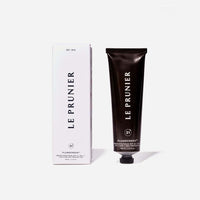
At Botā, Le Prunier Plumscreen SPF 31 uses non-nano zinc oxide as its only sunscreen filter, according to the brand. As with any product in pregnancy, check it with your midwife or pharmacist.
When to see a dermatologist
For many women, pregnancy melasma looks lighter in the year after birth. For some, patches stay. If that happens, a dermatologist is the right person to see.
See a dermatologist or your doctor if:
+ Patches are still there several months after birth, or after you stop breastfeeding, and they bother you.
+ A patch changes shape, colour or size, bleeds, itches or looks different from the rest.
+ You are not sure whether what you have is melasma at all.
A dermatologist can confirm what is going on and talk you through the options that suit you, including those only available on prescription or in a clinic. Many of these are not used during pregnancy or breastfeeding, so timing is part of that conversation.
Be wary of anything that promises fast results. Melasma-prone skin can react badly to harsh treatment and look darker afterwards. Slow and gentle is the safer path.
Caring for melasma-prone skin in the long term
Melasma can come back, for example in a later pregnancy, after strong sun, or with other hormonal changes. Long-term care is mostly about keeping sun exposure low.
+ Daily broad-spectrum sunscreen, all year round, whatever the weather. A tinted formula adds visible-light protection.
+ Vitamin C in the morning as part of your routine.
+ Azelaic acid a few evenings a week, if it suits your skin.
+ Hats, sunglasses and shade in summer and on holiday.
+ Care with heat, such as saunas, hot yoga and very hot showers.
+ If you notice new patches after starting or changing any medicine, mention it to your doctor.
+ If you are planning another pregnancy and had melasma before, start daily sun protection early.
+ Ask a dermatologist to look at any new mark that does not look like your usual melasma.
Melasma asks for patience rather than force. Steady sun protection and gentle care give skin the best conditions to look more even over time.
Frequently Asked Questions
Melasma is pigmentation that appears as brown or grey-brown patches, usually on the cheeks, forehead, upper lip and bridge of the nose. It is also called chloasma or the pregnancy mask. It is linked to pregnancy hormones together with sun exposure, and often appears in the second or third trimester. If you are not sure what a patch is, ask your doctor or a dermatologist.
Start with daily broad-spectrum sunscreen, SPF 30 or higher. Cosmetic ingredients often suggested in pregnancy include vitamin C in the morning, niacinamide, and azelaic acid in the evening. Retinoids, including retinol, are commonly advised against in pregnancy. Check any new product with your midwife, doctor or pharmacist, and expect changes to take months rather than weeks.
For many women it looks lighter in the months after birth, as hormones settle. For others, patches stay or only partly lighten. Daily sun protection gives skin the best chance. If patches remain and bother you, see a dermatologist, who can explain the options that suit you and how breastfeeding affects them.
Vitamin C is not among the ingredients usually advised against in pregnancy, and many people keep it in their morning routine under sunscreen. It helps skin look brighter. If your skin is sensitive, a gentler form of vitamin C may feel more comfortable. Check the specific product with your midwife or pharmacist.
Only your doctor or midwife can say what suits your pregnancy. Azelaic acid at cosmetic strength is one of the ingredients dermatologists often suggest for pigmentation-prone and blemish-prone skin in pregnancy. Use it in the evening on clean, dry skin, a few times a week at first. Some people feel mild tingling at the start. Stop if your skin feels irritated.
It can. If you had melasma in one pregnancy, it may return in the next. Starting daily sun protection early, keeping up gentle brightening care, and avoiding strong heat on the face all help. Talk to your midwife or a dermatologist early if you are concerned.
Patience, Sun Protection and Gentle Care
Melasma can feel upsetting, especially when it appears on your face at an already tender time. Understanding it helps. Hormones make the skin reactive, sunlight sets the pigment off, and sun protection is your best everyday defence.
You cannot change the hormones of pregnancy, but you can shape what your skin is exposed to. Daily sunscreen, every day rather than some days, matters most. Alongside it, gentle ingredients such as vitamin C, niacinamide and azelaic acid help skin look brighter and more even over time.
Be patient with your skin. Pigmentation changes slowly, and the habits you build now will look after your skin for years.
This article is general information, not medical advice. Please talk to your midwife, doctor, pharmacist or a dermatologist about any product you use in pregnancy, and about any patch that is persistent, changing or worrying you.