
What Causes Hormonal Acne, and a Gentle Routine for Breakout-Prone Skin
Hormonal acne tends to show up along the jaw, chin and neck, often at the same point in the month. Here is what is behind it, and a gentle skincare routine for breakout-prone skin.
 10 min read
Hormonal acne map: jawline, chin, neck
Why it shows up where it shows up
What hormonal acne is, and why it feels different
Hormonal acne is the everyday name for breakouts linked to shifts in hormones, especially androgens such as testosterone. Androgens encourage the skin's oil glands to make more sebum. When extra oil mixes with dead skin cells inside a pore, spots can form.
What people usually mean by hormonal acne:
Where it appears: the jawline, chin and neck are the classic areas. Breakouts elsewhere on the face can have many other causes, including irritation from products.
When it appears: many women notice flares in the week or so before their period. Some notice changes around the middle of their cycle too.
How it feels: spots are often deeper, tender and slow to come to a head. You may feel them before you see them.
How it behaves: spots often return to the same areas, month after month.
It is common in adult women. It can start in the twenties, thirties or forties, including in women who had clear skin as teenagers.


Hormonal acne is not dirty skin. It is a pattern, and the lower face is often where it shows most.
The hormonal patterns linked to breakouts
Hormones rise and fall across the month and across life. A few patterns come up again and again when people talk about hormonal acne. Often more than one plays a part.
1. Sensitivity to androgens
Androgens are present in everyone. Some skin is simply more sensitive to them, which can mean more oil and more breakouts, even when hormone levels are normal.
2. The monthly cycle
Hormone levels shift through the menstrual cycle. Many women notice their skin is oilier and more prone to spots in the days before a period.
3. Life stages
Breakouts can appear or change at times of hormonal change, such as after pregnancy or during perimenopause.
4. Stress and sleep
Many people notice their skin breaks out more during stressful weeks or after poor sleep.
You cannot tell which of these is at work just by looking in the mirror. If breakouts come with other changes, such as very irregular periods, new hair growth on the face or body, or hair thinning, talk to your GP, who can look at the whole picture.
The most useful change is often not a new product. It is a gentler, steadier routine, given time.
Everyday triggers worth knowing about
Hormones are only part of the picture. Some everyday habits can make breakout-prone skin look and feel worse:
Over-cleansing and harsh products. Stripping cleansers, rough scrubs and too many strong actives can leave skin tight, irritated and more reactive. Gentler is usually better.
Heavy or fragranced products. Skin that is prone to breakouts can react to rich textures and fragrance. If you notice a pattern, try a lighter, fragrance-free option.
Touching and picking. Squeezing deep spots can leave marks and keep redness around for longer.
Sleep and stress. Many people see a link between busy, stressful weeks and breakouts. Rest will not change your skin overnight, but it is worth protecting.
Food. Research has looked at possible links between breakouts and foods such as dairy and high-sugar foods, and people respond differently. If you want to change your diet, talk it through with your GP or a registered dietitian first, rather than cutting out whole food groups on your own.
A simple diary of your breakouts, your cycle and anything new in your routine can help you spot your own triggers.
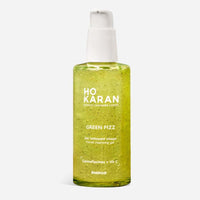


A gentle skincare routine for breakout-prone skin
Breakout-prone skin usually does better with calm, consistent care than with force. Here is a simple routine to start from. Introduce one new product at a time.
Morning
1. A gentle cleanser. Choose a low-foam, non-stripping formula.
2. A light toner or mist, if you like one. Skip anything that stings.
3. A niacinamide serum. Niacinamide is a well-studied cosmetic ingredient that helps balance the look of oily skin and supports the skin barrier.
4. A lightweight moisturiser. Oily skin still needs moisture, and dehydrated skin can look and feel oilier.
5. Broad-spectrum sun protection, SPF 30 or higher. Sun can make the marks left by spots look darker, so daily SPF helps skin look more even.
Evening
1. Cleanse. If you wore SPF or make-up, use a cleansing oil or balm first, then your gentle cleanser.
2. Azelaic acid at cosmetic strength, a few nights a week to start. It helps skin look smoother and more even in tone.
3. On other nights, a salicylic acid (BHA) product at cosmetic strength. It gently exfoliates and helps pores look less congested. Use it sparingly, because too much can irritate.
4. A light moisturiser, or a non-comedogenic facial oil such as jojoba or squalane.
Weekly
- A clay mask once a week to help absorb excess oil.
- A hydrating mask once a week to comfort the skin.
What to avoid: layering several strong actives at once, harsh scrubs, squeezing deep spots, and switching products every week. Give a routine at least two months before you judge it.
If you use a prescription treatment, check with your doctor or pharmacist before adding anything new.
Beyond skincare: everyday habits that support your skin
Skincare cares for the surface. A few everyday habits support how your skin looks and feels too.
Sleep. Aim for a regular bedtime and enough rest. Many people notice their skin looks calmer when they sleep well.
Stress. Find what genuinely helps you unwind, whether that is walking, yoga, breathing exercises or talking to someone.
Food. Eat a varied diet you enjoy. If you suspect a food is linked to your breakouts, speak to your GP or a registered dietitian before cutting anything out.
Supplements. Talk to your GP or pharmacist before taking any supplement for your skin, especially if you take other medicines or are pregnant or breastfeeding.
Track your cycle. Note where you are in your cycle when breakouts appear. Many women see a pattern within a few months. Once you know your pattern, you can plan ahead: keep your routine especially gentle and steady in the week before your period, and hold off on new products then.
When to see a doctor
A gentle routine suits many people with mild breakouts. Sometimes you need more help. See your GP, a dermatologist or a pharmacist if:
- You have deep, painful spots, or spots that leave scars.
- You have followed a consistent routine for three months and see no change.
- Breakouts come with other changes, such as very irregular periods, new hair growth on the face or body, hair thinning or unexplained weight changes.
- Breakouts start suddenly in your late thirties or forties.
- Your skin is affecting your mood or confidence.
A doctor can look at the whole picture, arrange tests if needed and talk you through the options that suit you. There is no need to wait until things feel severe.
If you use a prescription treatment, check with your doctor or pharmacist before adding anything new to your routine.
Frequently Asked Questions
Yes. Many women who had clear skin as teenagers notice breakouts for the first time as adults, often around the jaw and chin. Adult breakouts can be linked to the monthly cycle, stress and other life changes. A gentle routine can help skin look and feel calmer, and a GP or dermatologist can help if breakouts persist.
Give a new routine two to three months before you judge it. Skin changes slowly, and switching products every couple of weeks makes it hard to tell what suits you. Look at how your skin is doing month by month rather than day by day. If you see no change after three months, or your breakouts are painful, speak to your GP or a dermatologist.
Yes, if your breakouts are persistent, painful or leave marks, or if they come with other changes such as irregular periods. A GP or dermatologist can look at the whole picture, including any medicines or contraception you already use, and talk you through your options. If you use a prescription treatment, check with your doctor or pharmacist before adding new skincare.
Polycystic ovary syndrome (PCOS) is a common hormonal condition. Breakouts can be one sign, often alongside others such as irregular or missed periods, extra hair growth on the face or body, or thinning hair on the scalp. Not everyone with hormonal acne has PCOS. If you have breakouts together with any of these signs, ask your GP, who can check what is going on and advise you. A gentle skincare routine can help your skin look and feel calmer alongside that advice, but it does not change the condition.
Research has looked at possible links between dairy and breakouts, and people respond differently. It is not a rule that applies to everyone. If you want to try changing your diet, speak to your GP or a registered dietitian first, so that you still get enough calcium and other nutrients.
Skincare cannot change your hormones or cure hormonal acne. What a gentle routine can do is care for breakout-prone skin: cleanse without stripping, help balance the look of oil, soothe the look of redness and support the skin barrier. Niacinamide, and azelaic acid and salicylic acid at cosmetic strength, are good places to start. For persistent or painful breakouts, see your GP or a dermatologist.
Gentle, Steady Care for Hormonal Skin
Hormonal acne is often handled like teenage spots: stronger products, more scrubbing, harsher actives. That usually leaves skin more irritated, not less.
A calmer approach works with your skin. Notice your pattern. Keep your routine gentle and steady, especially in the week before your period. Protect your sleep where you can. And give any change a couple of months before you judge it.
Skincare can help breakout-prone skin look and feel calmer. It cannot change your hormones. If your breakouts are persistent, painful, leave scars or come with other changes, please see your GP, a dermatologist or a pharmacist. They can help you find the right next step.