

What Is Centella Asiatica? The Hero Ingredient for Sensitive Skin
Reactive skin doesn't need more — it needs quiet. When skin stings and flares, the instinct is another treatment, and usually that makes it worse. Centella asiatica (cica) is the one ingredient that tells skin to stand down — but the name on the label isn't the point. The concentration, and what you pair it with, decide whether it calms your skin or does nothing at all. Here's how it works, who it's really for, and the routine that lets it settle.
 11 min read
If your skin reacts to almost everything else, centella asiatica is the one ingredient that settles things down — within hours, not weeks. Here's what it does, what to look for on a label, and how to fit it into the routine you already have.
THE BOTANICAL THAT SOFTENS REDNESS WITHIN HOURS
What centella asiatica actually is
Centella asiatica is a small herbaceous plant native to the wetlands of Asia, where it has been used in Ayurvedic and traditional Chinese practice for centuries — a heritage that gave it the nickname tiger grass. When extracted for skincare, the plant yields four key compounds — collectively known as the "centellosides" — and they are what a well-built cica formula is designed around:
+ Asiaticoside — the most-studied of the four, and the compound most centella research is built around.
+ Madecassoside — the one most associated with comfort. Softens the look of redness within hours.
+ Asiatic acid — an antioxidant compound, linked to skin looking less dull and tired.
+ Madecassic acid — the barrier-supporting one. Helps skin feel less tight and more comfortable.
Look for these specific compounds on the ingredient list — not just "centella asiatica extract" — if you want to know what you're actually buying. The best modern cica serums standardise to a specific percentage of madecassoside (1–2% is the usual range) so you know you're getting a meaningful amount, not a tiny botanical sprinkle for marketing.

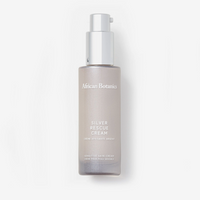


Madecassoside softens the look of redness quickly — it's one of the few plant extracts you can see working in hours rather than weeks.
The 4 things centella asiatica does for your skin
1 - Calms the look of redness
Madecassoside is the compound cica is best known for, and it shows itself quickly: skin often looks less red within days, with the tone continuing to even out over 4 to 8 weeks of daily use. A good fit for post-breakout redness, skin that flushes easily, and skin left irritable by over-exfoliation. If redness is persistent or has a diagnosis behind it, that belongs with your doctor — cica sits alongside their advice.
2 - Supports a comfortable barrier
Centella is the plant extract most associated with skin that feels less tight, less stingy and less reactive. If your barrier is having a bad month, a daily cica layer is the gentlest way to help skin feel like itself again while you strip the rest of the routine back.
3 - Helps skin look smoother over time
Asiaticoside is the compound behind cica's reputation as a long-game ingredient. With consistent use over 8 to 12 weeks, skin tends to look smoother and more even — particularly alongside peptides or a low-strength retinol.
4 - Layers with everything, and asks for nothing
This is cica's quiet advantage. It doesn't conflict with vitamin C, retinol, niacinamide or acids, needs no buffer night, and doesn't sting, peel or force a purge. For skin that reacts to almost everything else, it's the rare active you can add without renegotiating the entire routine.
Calming, comforting, flexible and genuinely easy to live with — that combination is rare in a single ingredient, and it's the reason cica has become the foundation of so many well-formulated sensitive-skin products.
Centella asiatica doesn't conflict with vitamin C, retinol, niacinamide or acids — it just helps skin feel calmer when those actives are hard on it. It's the most flexible active in skincare.
Who benefits most from centella asiatica
Centella suits almost every skin type, but the people who see the biggest visible difference are:
+ Sensitive or reactive skin — helps skin look and feel calmer when other actives, the weather or a change of products have left it irritable.
+ Skin that flushes easily — a gentle daily layer that softens the appearance of redness. If flushing is persistent, or you've been given a diagnosis, speak to your doctor or pharmacist first.
+ Post-acne or post-breakout skin — softens the look of lingering red marks (PIE) with consistent use over several weeks.
+ Damaged barrier from over-exfoliation — helps skin feel less tight and look less irritated while it settles.
+ Post-procedure skin — after microneedling, laser, peels or microdermabrasion, follow the aftercare given by whoever carried out the procedure, and check with them before adding anything, cica included.
+ Mature skin — a comfortable everyday layer, particularly around the eyes and mouth.
+ Skin sensitised by pregnancy or hormonal change — gentle in feel, though any routine during pregnancy is worth running past your midwife or doctor.
Even people with no specific concerns benefit from adding a centella serum as their "calming layer" once or twice a week — particularly during seasonal transitions, when skin tends to feel less settled than usual.


How to use centella asiatica in a skincare routine
Cica is one of the most flexible actives to layer because it doesn't conflict with anything. The basic approach:
Morning routine
1 - Cleanse with a gentle, fragrance-free cleanser.
2 - Apply vitamin C serum (optional) on dry skin.
3 - Layer cica or madecassoside serum on damp skin.
4 - Moisturiser.
5 - Mineral SPF 30+ as the final step.
Evening routine
1 - Double cleanse (or single cleanse if no SPF/makeup).
2 - Apply cica serum on damp skin.
3 - Alternate nights with retinol or peptide serum if your skin can tolerate it.
4 - Rich ceramide moisturiser.
5 - Optional facial oil with squalane or rosehip.
For a barrier that feels compromised
Use cica twice daily on its own (no other actives) for 2 weeks. Add one new active per week after that, starting with the gentlest (niacinamide, then peptides, then low-strength vitamin C). Skip retinol entirely until skin feels calm and comfortable again.
For skin that flushes easily or looks persistently red
Daily cica morning and evening for at least 8 weeks before judging how it looks. Pair with a fragrance-free mineral SPF and go easy on the usual triggers (hot showers, spicy food, alcohol) while your skin settles. If the redness is persistent, sore, or has been diagnosed as a skin condition, let your doctor or pharmacist lead — cica sits alongside their advice, never in place of it.
What to look for on the label
Not every product that says "with centella" contains a meaningful amount of it. Look for:
+ Standardised madecassoside concentration (1–2%) — the sign of a formula that tells you what's actually in the bottle.
+ "Centellosides complex" — implies the full four-compound extract (asiaticoside, madecassoside, asiatic acid, madecassic acid), not just one.
+ Centella asiatica extract listed in the first half of the ingredient list — not the last three.
+ Pairing with niacinamide, panthenol, ceramides or hyaluronic acid — these compound the benefits.
+ Fragrance-free, alcohol-free formulations — defeats the purpose of using cica if the formula is irritating.
+ Glass packaging or airless pumps — botanical extracts oxidise in air and light.
Avoid: cica products with synthetic fragrance, essential oils, denatured alcohol or added "natural" actives that often irritate (like citrus extracts, lavender, or eucalyptus essential oils).
Judge a cica product by its actives panel, not the front of the bottle: a standardised madecassoside percentage, the full centellosides complex, a fragrance-free and alcohol-free base, and airless or glass packaging are the markers of a formula worth your money. For an easier shortcut, Botā's sensitive-skin collection is vetted against The Clean Standard — every centella formula is screened for these criteria so you don't have to decode the label yourself.
How long until you see results from centella asiatica?
Cica shows itself faster than most botanical actives, but still rewards consistency.
+ Within days: skin looks less red across the areas that tend to flare.
+ Week 1: skin feels noticeably calmer, less reactive to other products.
+ Week 2 to 4: skin feels more comfortable and settled, and takes a change of weather or product in its stride.
+ Week 4 to 8: post-acne marks (PIE) look softer. Skin that flushes easily tends to look more even from one day to the next.
+ Month 3+: skin looks smoother and more even overall (when used twice daily, especially around the eyes).
The compounding effect matters most. People who add cica for 2 weeks and stop see no lasting change. People who keep it as a daily staple for 3 months see the difference — calmer-looking, more even-toned skin that copes better with whatever the season throws at it.
Frequently Asked Questions
Centella asiatica (cica) is used in skincare to soften the look of redness, support a comfortable skin barrier and help skin feel calmer. It suits sensitive skin, skin that flushes easily, post-breakout redness, and skin left irritable by over-exfoliation.
Yes — centella is one of the gentlest actives in skincare and a common choice for sensitive, reactive skin that flushes easily. It doesn't sting or peel the way acids and retinol can. Always patch test a new formula first, though reactions to centella are rare.
Yes — morning and evening suits most people. Cica doesn't conflict with vitamin C, retinol, niacinamide or acids, so it layers easily into any routine. If your barrier feels compromised, use it on its own twice daily for 2 weeks before adding other actives.
They're the same thing. "Cica" is short for centella asiatica and is most commonly used in Korean skincare (K-beauty). "Tiger grass" and "gotu kola" are other names for the same plant. The active compounds (asiaticoside, madecassoside, asiatic acid, madecassic acid) are what drive the benefits.
Yes — and it's one of the best combinations. Apply cica first to help skin feel calmer, wait 5 to 10 minutes, then apply retinol. Cica cushions retinol's sting while still letting both ingredients do their work. Many sensitive-skin retinol products already include centella for this reason.
Topical centella is widely used during pregnancy and breastfeeding, but this is a question for your midwife, GP or pharmacist rather than for us — they know your history. Many people look to gentle options like centella when they step away from retinol during pregnancy.
Faster than most botanicals: skin often feels calmer within a week, and tends to look more comfortable and more even over 4 to 8 weeks. With consistent daily use over about three months, skin generally looks smoother and copes better with the rest of your routine.
Why centella asiatica deserves a spot in every routine
Centella asiatica is the closest skincare has to a universal active — gentle enough for the most reactive skin, capable enough to sit alongside the bigger-name actives, and flexible enough to layer with almost anything. If your skin reacts to retinol, stings under vitamin C, or simply refuses to settle, a daily centella layer is probably the simplest change you can make.
Pair this with our sensitive skin serum guide for the routine that surrounds centella, our skin barrier guide for the wider picture of barrier comfort, and our red marks guide if post-acne redness is your particular concern. Three months of daily cica tends to leave reactive skin calmer, more even, and better able to tolerate everything else you want to do.